Quick answer
Teeth can lighten several shades with proper whitening treatments, but the final shade depends on your starting tooth color. Consulting a dental professional can help set realistic expectations for your whitening journey.
How White Can Your Teeth Get? Starting Shade, Shade Guides, and Natural-Looking Results
Achieving a bright smile is a common goal for many individuals. Understanding how white can your teeth get is essential to setting realistic expectations. Teeth whitening has become increasingly popular as people seek to enhance their appearance and boost their confidence. The quest for a whiter smile often raises questions about starting shades, the effectiveness of various treatments, and how to achieve natural-looking results.
The process of determining your starting tooth shade is vital in the whitening journey. Different factors such as genetics, age, and lifestyle can impact your natural tooth color. Knowing these influences can help you choose the right teeth whitening shade guide for your specific needs. Many individuals may not realize how a shade guide can assist them in tracking their progress toward a brighter smile.
While professional treatments offer remarkable results, at-home whitening options also exist. Understanding these methods can empower you to make informed decisions about your dental care. As you delve into this topic, consider how these insights can lead to effective teeth whitening solutions tailored to your unique situation.
Find the right teeth whitening approach
Share a few details about your teeth, staining concerns, and desired shade so a provider can review suitable whitening options.
Find the right teeth whitening approach
Sensitivity and recent dental care can affect which whitening options are considered. Answer based on your recent experience and include any relevant details.
Find the right teeth whitening approach
Stains can have different sources, and whitening may affect natural teeth differently from restorations. Add any background that may help the provider understand your situation.
Contact information
Your information is only used to contact you and is never shared with third parties.
Your request has been received!
Thank you. Your information has been submitted for review, and the care team will follow up using the contact details you provide.
What Determines Your Starting Tooth Shade? Key Factors Explained
Starting tooth shade plays a crucial role in your whitening journey. Various factors affecting tooth color can influence how white your teeth can become. Genetics, lifestyle habits, and dental health all contribute to the initial shade of your teeth. Recognizing these elements helps set realistic expectations for your whitening goals.
Genetics tooth color significantly impacts your natural shade. Some individuals inherit lighter shades while others have darker hues. This natural variation can affect how your teeth respond to whitening treatments. For instance, people with naturally darker teeth may need more treatments to achieve desired results.
Lifestyle habits also play a vital role in determining your tooth shade. Regular consumption of staining foods and beverages, such as coffee and red wine, can darken teeth over time. Smoking is another contributing factor that can lead to discoloration. These habits often lead people to ask, "Why are my teeth not white?" Acknowledging these influences is essential for effective whitening.
Practical advice includes considering your starting tooth shade before whitening. Consult with a dental professional for personalized recommendations based on your unique shade. Understanding factors affecting tooth color can guide you toward the most suitable whitening options. Embrace this knowledge to achieve the bright smile you desire.
How Teeth Whitening Works: Methods and Expected Results
How teeth whitening works involves various methods that enhance tooth brightness. Different techniques target stains and discolorations on the enamel. Each method has unique characteristics and expected results, making personal choice essential. Knowing these details helps you decide the best approach for your smile.
Teeth whitening methods can be categorized into two main types: professional and at-home whitening. Professional treatments often use higher concentrations of whitening agents, leading to faster and more noticeable results. Dentists typically apply these products during in-office visits, ensuring safety and effectiveness. In contrast, at-home whitening kits offer convenience but may require longer usage to achieve similar results.
Safety is a critical consideration when exploring whitening options. Professional vs at-home whitening can produce varied effects and risks. Overuse of at-home products may lead to sensitivity or uneven results. Conversely, professional treatments are supervised, minimizing potential side effects while maximizing teeth whitening results.
Practical advice includes evaluating which whitening method suits your lifestyle. Consult a dental professional to discuss your options and goals. Choosing the right approach can lead to a brighter smile without compromising dental health. Consider your needs and preferences as you embark on your teeth whitening journey.
Teeth Whitening Shade Guides: Choosing Your Ideal Shade
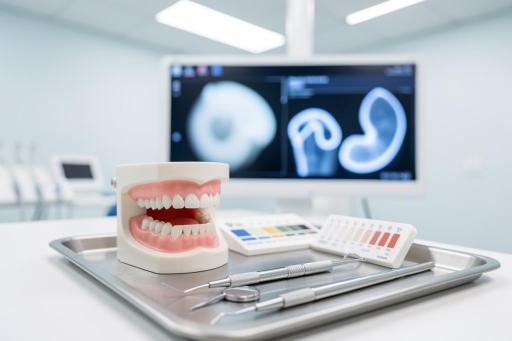
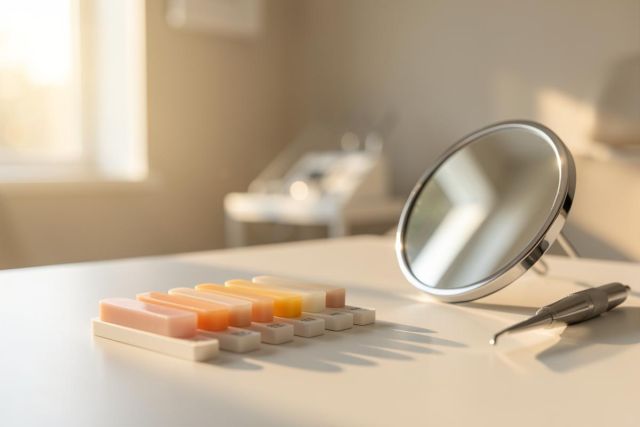
Teeth whitening shade guides are essential tools for selecting your ideal shade. These guides help you visualize how bright your teeth can become. By using a teeth whitening shade guide, you can set realistic goals for your smile. This process makes it easier to track your progress as you whiten your teeth.
A dental shade guide typically categorizes tooth colors into several shades. Each shade represents a range of hues from light to dark. When choosing your ideal shade, consider your natural tooth color and desired outcome. This approach ensures you avoid unrealistic expectations and achieve a harmonious smile.
Knowing how to choose teeth shade is crucial for effective whitening. First, assess your current tooth color using the shade guide. Then, select a target shade that complements your complexion. This method can help you achieve a more natural look while enhancing your smile.
Practical advice includes consulting with your dentist before whitening. Professionals can provide insights into the best shade for your teeth. Consider your options carefully when using a shade guide for whitening. With the right guidance, achieving your desired smile is within reach.
Find the right teeth whitening approach
Share a few details about your teeth, staining concerns, and desired shade so a provider can review suitable whitening options.
Find the right teeth whitening approach
Sensitivity and recent dental care can affect which whitening options are considered. Answer based on your recent experience and include any relevant details.
Find the right teeth whitening approach
Stains can have different sources, and whitening may affect natural teeth differently from restorations. Add any background that may help the provider understand your situation.
Contact information
Your information is only used to contact you and is never shared with third parties.
Your request has been received!
Thank you. Your information has been submitted for review, and the care team will follow up using the contact details you provide.
Top 5 Tips for Achieving Natural-Looking Teeth Whitening Results
Top 5 tips for achieving natural-looking teeth whitening results can enhance your smile. Many people desire bright teeth without an artificial appearance. These tips help you navigate the whitening process effectively. Following them can lead to a smile that looks both bright and genuine.
Selecting the right shade is crucial for natural teeth whitening results. Choose a shade that complements your skin tone and natural color. Consulting with a dental professional can help you find the perfect match. This approach ensures that your whitening efforts yield realistic whitening results.
Using quality products is essential for effective whitening. Not all whitening treatments are created equal, and some may cause sensitivity. Opt for products designed for gradual and safe whitening. Researching the best teeth whitening tips from professionals can guide your choices.
Maintaining good oral hygiene is vital for lasting results. Regular brushing and flossing help keep your teeth healthy and bright. Avoiding staining foods and drinks can prevent discoloration. Consider implementing these habits for how to get natural white teeth that last. Prioritize these strategies for a bright, confident smile.
How Long Will Your Whitened Teeth Last? Maintenance Secrets
How long will your whitened teeth last? Maintenance secrets can help you enjoy a bright smile for longer. The longevity of whitening results varies based on several factors. Knowing how to maintain your results is essential for keeping teeth white.
Teeth whitening maintenance begins with good oral hygiene. Regular brushing and flossing can prevent stains and discoloration. Use a whitening toothpaste to help maintain your shade. Consistency in your dental care routine is key to sustaining results.
Diet also plays a significant role in how long your results last. Foods and drinks that stain, like coffee and red wine, can dull your brightness. Limiting these items can help preserve your whitened teeth. Being mindful of your diet is crucial for maintaining whitening results.
Practical advice includes scheduling regular dental check-ups. Professional cleanings can help remove surface stains and keep teeth bright. Consider touch-up treatments if you notice discoloration over time. Prioritize these strategies for effective teeth whitening maintenance and enjoy a radiant smile.
Key Takeaways
- Your starting tooth shade is influenced by genetics, lifestyle, and dental health, which can affect how white your teeth can become.
- Professional whitening treatments typically offer faster and more noticeable results compared to at-home options, but safety is a key consideration.
- Using a teeth whitening shade guide can help you select a target shade that complements your natural color and avoid unrealistic expectations.
- Maintaining good oral hygiene and being mindful of staining foods and drinks are essential for preserving your whitening results.
- Regular dental check-ups and touch-up treatments can help maintain your bright smile over time.
Frequently Asked Questions
How white can teeth get after whitening treatments?
Teeth can achieve several shades lighter with proper treatments. The final shade depends on your starting tooth color. Most people can expect natural teeth whitening results. Consulting a professional can help set realistic expectations.
What is a teeth whitening shade guide?
A teeth whitening shade guide displays different tooth colors. It helps patients select their desired shade before treatment. Using this guide ensures a natural-looking outcome. Dentists often use it during the whitening process.
How to choose the right shade for whitening?
Choosing the right shade involves assessing your natural color. Compare your teeth to a teeth whitening shade guide. Select a shade that complements your skin tone. This approach helps achieve a harmonious and natural look.
When should I consider touch-up treatments for whitening?
Touch-up treatments are advisable when discoloration occurs. Factors like diet and oral hygiene play a role. Regularly assess your teeth against the shade guide. If needed, consult your dentist for appropriate timing.
Can at-home whitening products provide natural results?
At-home whitening products can yield satisfactory results if used correctly. They may take longer to show effects compared to professional treatments. Choose products that suit your teeth's needs. Always follow the instructions provided for best outcomes.
The information provided is for educational purposes only and does not constitute medical advice. Always consult with a healthcare professional for medical guidance specific to your situation.