Quick answer
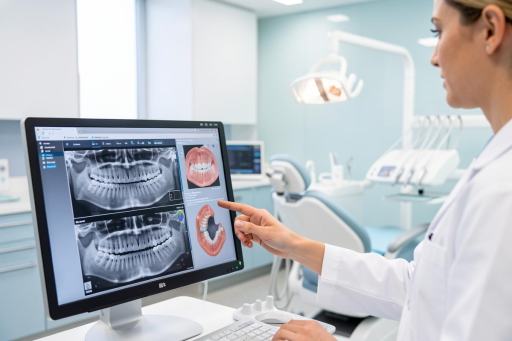
To determine if you are a good candidate for teeth whitening, a dental exam is essential. This evaluation helps identify any oral health issues that could affect the whitening process.
Am I a Good Candidate for Teeth Whitening? Dental Exam, Cavities, Gum Health, Sensitivity, and Expectations
Teeth whitening is a popular cosmetic treatment that enhances smiles. Many individuals seeking brighter teeth often wonder, "Am I a good candidate for teeth whitening?" Evaluating candidacy is essential for achieving safe and effective results. Factors such as oral health, existing dental conditions, and personal expectations play a vital role in this decision.
A comprehensive dental exam before whitening treatment is crucial for ensuring safety. This assessment helps identify any underlying issues, such as cavities and gum health concerns, that could complicate the whitening process. Patients with sensitive teeth should also consider how this condition affects whitening results. Understanding these parameters can lead to a more satisfying outcome.
Knowing your eligibility for teeth whitening can guide you toward the right decision. It is essential to consult a dental professional before starting any whitening procedure. The right guidance ensures that you achieve the best results while maintaining optimal oral health. Continue reading to learn more about the factors that determine whether teeth whitening is suitable for you.
Find the right teeth whitening approach
Share a few details about your teeth, staining concerns, and desired shade so a provider can review suitable whitening options.
Find the right teeth whitening approach
Sensitivity and recent dental care can affect which whitening options are considered. Answer based on your recent experience and include any relevant details.
Find the right teeth whitening approach
Stains can have different sources, and whitening may affect natural teeth differently from restorations. Add any background that may help the provider understand your situation.
Contact information
Your information is only used to contact you and is never shared with third parties.
Your request has been received!
Thank you. Your information has been submitted for review, and the care team will follow up using the contact details you provide.
5 Signs You’re an Ideal Teeth Whitening Candidate
Identifying the right teeth whitening candidate is crucial for effective results. Various factors influence who can get teeth whitening safely. Recognizing these signs can help you determine your suitability for this treatment. Healthy teeth for whitening are essential to ensure a pleasant experience.
One clear sign of being an ideal candidate is having generally good oral health. Individuals with strong enamel and no significant dental issues are more likely to succeed with whitening. Regular dental visits help maintain this health, ensuring safe whitening procedures. Those with minor stains typically respond well to whitening treatments.
Another important factor is the absence of sensitive teeth. Sensitivity can lead to discomfort during and after the whitening process. If you have managed your sensitivity successfully, you may be a good candidate. Discussing this with your dentist can provide clarity on your eligibility for teeth whitening.
Finally, setting realistic expectations is vital for anyone considering whitening. Ideal candidates understand that results may vary based on individual circumstances. If you have a clear idea of what to expect, you are more likely to be satisfied with your results. Engaging with a dental professional can guide you through the process and help you make informed decisions.
Why a Dental Exam Before Whitening Is Crucial
A dental exam before whitening is crucial for safe results. This assessment helps identify any oral health issues that may affect the process. Issues such as cavities or gum disease can complicate teeth whitening. A thorough evaluation ensures you are a suitable candidate for this treatment.
During a dental checkup for teeth whitening, your dentist can spot potential problems. Existing dental conditions can hinder the effectiveness of whitening products. For example, untreated cavities may worsen during the whitening process. Addressing these issues before treatment helps to prevent complications and ensures a smoother experience.
A teeth whitening assessment goes beyond checking for cavities. It also evaluates enamel strength and gum health. Weak enamel may lead to increased sensitivity during and after treatment. Your dentist can recommend safer alternatives if significant issues are found. This proactive approach protects your oral health while achieving desired whitening results.
Scheduling a pre-whitening dental visit is a key step in the process. This appointment allows for personalized advice and tailored treatment plans. Taking the time for this assessment can lead to a more satisfying whitening experience. Consult your dentist to learn more about ensuring your safety and success in teeth whitening.
Cavities and Gum Health: Must-Know Risks for Whitening
Cavities and gum health are critical risks to consider for whitening. Teeth whitening with cavities can lead to discomfort and poor results. Active dental issues can exacerbate sensitivity during the whitening process. Addressing these concerns is essential for a safe treatment experience.
Gum health and whitening are closely linked when considering whitening options. Healthy gums are necessary for successful results. If gum disease is present, the whitening agents can irritate the soft tissues. This irritation can cause pain and delay the overall whitening process. Treating gum issues before proceeding with whitening enhances comfort and safety.
Another important factor involves the condition of your enamel. Weak enamel can increase sensitivity during whitening treatments. If you have cavities, the whitening agents may penetrate deeper, causing further damage. Discussing your dental health with your dentist helps identify potential risks. This proactive approach ensures a more positive whitening journey.
Prioritizing dental health is vital before starting any whitening procedure. Be sure to resolve cavities and assess gum health first. Safe teeth whitening tips include maintaining regular dental checkups. Consulting your dentist will provide tailored advice for your specific needs. Taking these steps can lead to a more satisfying whitening experience.
Find the right teeth whitening approach
Share a few details about your teeth, staining concerns, and desired shade so a provider can review suitable whitening options.
Find the right teeth whitening approach
Sensitivity and recent dental care can affect which whitening options are considered. Answer based on your recent experience and include any relevant details.
Find the right teeth whitening approach
Stains can have different sources, and whitening may affect natural teeth differently from restorations. Add any background that may help the provider understand your situation.
Contact information
Your information is only used to contact you and is never shared with third parties.
Your request has been received!
Thank you. Your information has been submitted for review, and the care team will follow up using the contact details you provide.
How Sensitive Teeth Affect Whitening Results
How sensitive teeth affect whitening results is a significant concern. Teeth whitening sensitivity can lead to discomfort during and after treatments. Individuals with sensitive teeth often experience heightened reactions to whitening agents. This sensitivity can impact the overall effectiveness and enjoyment of the whitening process.
Sensitive teeth and whitening procedures are closely related. Patients may feel sharp pain when the whitening gel comes into contact with the teeth. This reaction can discourage individuals from pursuing their whitening goals. Discussing your sensitivity with your dentist helps identify suitable options for your situation.
Managing whitening pain is essential for a successful whitening experience. Dentists can offer desensitizing agents or recommend gentler whitening products. These alternatives reduce discomfort and allow patients to achieve desired results. Proper care before and after treatments can also minimize sensitivity.
Prioritizing dental health is crucial if you have sensitive teeth. Explore options for whitening with sensitive teeth to ensure comfort. Consult your dentist for tailored advice and effective solutions. Taking these proactive steps leads to a more enjoyable and satisfying whitening journey.
Setting Realistic Expectations: What Teeth Whitening Can and Can’t Do
Setting realistic expectations: what teeth whitening can and can’t do is essential. Many individuals hope for dramatic changes in their smile. However, teeth whitening expectations should be grounded in reality. Knowing what results to anticipate can prevent disappointment after treatment.
Teeth whitening results vary based on several factors. Natural tooth color, the type of stains, and the method used all play roles. For example, yellowish stains typically respond better to whitening than grayish ones. Additionally, existing dental work, such as crowns or fillings, will not change color. These limitations can affect overall whitening outcomes.
Teeth whitening limitations also include the duration of results. Many people expect permanent whitening, but this is not the case. Stains can recur from foods, drinks, and lifestyle habits. Maintaining good oral hygiene and avoiding stain-causing substances can help prolong results. Regular touch-ups may be necessary to keep your smile bright.
Prioritizing realistic whitening outcomes is crucial for satisfaction. Discuss potential results with your dentist before starting treatment. A professional can help set achievable goals based on your specific needs. Taking these steps will ensure a more rewarding whitening experience.
Key Takeaways
- A comprehensive dental exam is crucial before starting teeth whitening to ensure safety and effectiveness.
- Healthy teeth and gums are necessary for successful whitening; cavities or gum disease should be treated first.
- Individuals with sensitive teeth may require special considerations and gentler whitening options to avoid discomfort.
- Setting realistic expectations about the results of teeth whitening can lead to greater satisfaction with the outcome.
- Regular dental checkups can help maintain oral health and enhance the safety of whitening procedures.
Frequently Asked Questions
How do I know if I am a teeth whitening candidate?
A dental exam before whitening can help determine candidacy. Your dentist will evaluate your oral health and existing conditions. Healthy teeth and gums are crucial for safe whitening. Discussing your goals will also clarify your suitability.
Who can get teeth whitening safely?
Most adults with good oral health can get teeth whitening. Those with cavities or gum disease should seek treatment first. A dental professional will assess your specific situation. This personalized approach ensures the best results and safety.
When should I schedule a dental exam before whitening?
Schedule a dental exam before whitening at least a week prior. This allows your dentist to identify any issues. Addressing these concerns will help avoid complications during treatment. Early assessments lead to better whitening experiences.
What factors affect teeth whitening results?
Several factors influence teeth whitening results, including natural tooth color. The type of stains also plays a critical role. Existing dental work may not respond to whitening products. Your dentist can explain how these factors impact outcomes.
Can I whiten my teeth if I have sensitive teeth?
Yes, but extra precautions are necessary if you have sensitive teeth. Discuss your sensitivity with your dentist before treatment. They may recommend desensitizing products or gentler methods. Managing whitening pain is essential for a positive experience.
The information provided is for educational purposes only and does not constitute medical advice. Always consult with a healthcare professional for medical guidance specific to your situation.