Quick answer
Liposuction recovery typically takes one to two weeks, with significant improvement often seen within this timeframe. Patients should manage pain, swelling, and bruising through proper aftercare and follow their healthcare provider's guidance for a smooth recovery.
Liposuction Recovery Timeline: Pain, Swelling, Bruising, Work, Exercise, and Final Healing
Liposuction recovery timeline is crucial for anyone considering this popular cosmetic procedure. Knowing what to expect during recovery helps patients prepare mentally and physically. Pain, swelling, and bruising are common after liposuction, but understanding their duration is essential for a smooth healing process. Recognizing the timeline allows for better planning regarding work, exercise, and daily activities.
After liposuction, swelling can last for several weeks, impacting the recovery experience. Patients often inquire about how long they may need to refrain from physical activities. Planning appropriate self-care and managing pain effectively can promote a quicker recovery. Knowing when to return to work or resume exercise is vital for long-term satisfaction with the results.
Final healing and seeing the desired results may take time. Factors such as individual health and adherence to aftercare instructions influence recovery. Patients should remain patient and committed to following their healthcare provider's recommendations. A successful recovery leads to improved body contour and confidence.
Plan Your Liposuction Consultation
Share a few details about your body-contouring goals, health history, and planning preferences. Your answers help the care team understand what information to discuss with you.
Plan Your Liposuction Consultation
These questions provide background for a safer, more relevant consultation. Share only information you are comfortable providing, and include details you want the care team to consider.
Plan Your Liposuction Consultation
Understanding your timing and information needs helps with consultation planning. Select the options that best reflect your current plans.
Contact information
Your information is only used to contact you and is never shared with third parties.
Your request has been received!
Thank you. Your information has been submitted for review, and the care team can use it to guide your consultation.
Day-by-Day Liposuction Recovery: What to Expect in the First Week
The liposuction recovery timeline begins immediately after the procedure. During the first week after liposuction, patients experience a range of physical changes. Pain after liposuction is common, but it varies by individual. Knowing what to expect helps manage discomfort effectively.
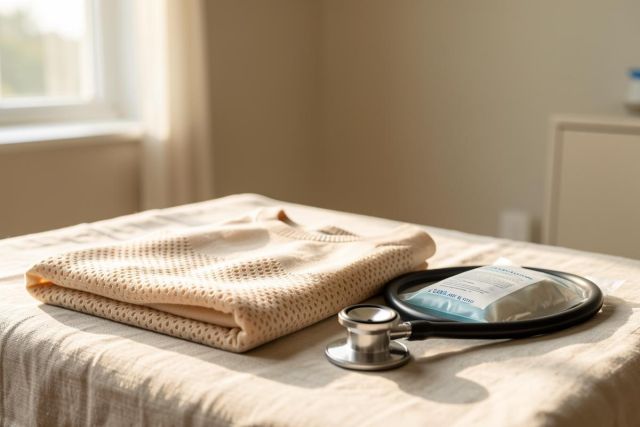
On the first day post-surgery, rest is crucial for recovery. Patients should prioritize immediate aftercare, including wearing compression garments. These garments help reduce swelling and support the healing tissues. The first few days often involve significant swelling and discomfort, which can be managed with prescribed medications.
By the third day, most patients notice changes in their condition. Swelling continues but may begin to decrease slightly. Bruising may become more visible during this time. Activities should remain limited, focusing on light movement to promote circulation without straining the body. Following the liposuction recovery timeline is essential for optimal healing.
As the week progresses, healing will improve noticeably. Practical takeaways include staying hydrated and adhering to follow-up appointments. Gentle walking can aid recovery while avoiding vigorous activities. By the end of the week, many patients feel more comfortable and start to see initial results. Taking proper care during this phase sets the stage for a successful recovery journey.
Pain Management After Liposuction: 5 Proven Relief Strategies
Pain management after liposuction is essential for a smooth recovery. Patients often experience discomfort during the healing process. Effective liposuction pain relief strategies can significantly enhance comfort. Knowing how to manage pain after liposuction helps patients regain mobility faster.
One proven strategy is to follow your doctor's medication plan. Taking prescribed pain relievers on schedule minimizes discomfort. Over-the-counter medications can also provide additional relief during recovery. Always consult with your healthcare provider about adjusting dosages or types of medication for optimal results.
Applying ice packs to the treated areas can reduce swelling and pain. Cold therapy is most effective in the first 48 hours after surgery. Use ice packs for 15-20 minutes several times daily. This simple method aids in managing discomfort after liposuction and speeds up healing.
Gentle movement is crucial for overall recovery and pain management. Short walks help promote blood circulation, which reduces stiffness. Gradually increasing activity levels can relieve tension in the body. Utilizing these liposuction recovery tips fosters a more comfortable healing experience.
Taking proactive steps in pain management ensures a smoother recovery. Incorporating medication, ice therapy, and gentle movement can greatly improve comfort. Always communicate with your healthcare provider about your progress. Following these strategies will lead to a more successful recovery journey after liposuction.
Swelling and Bruising: How Long They Last and Best Ways to Reduce Them
Swelling and bruising are common after liposuction. Knowing how long swelling lasts after liposuction is vital for recovery. These symptoms can be distressing but are generally temporary. Understanding their duration helps patients prepare for the healing phase.
Swelling after liposuction typically peaks within the first few days. Most patients notice some reduction by the end of the first week. Bruising may take longer to heal, often lasting up to two weeks. Factors such as individual healing and the extent of the procedure affect recovery times.
Applying cold compresses can significantly reduce swelling and bruising. Ice packs are most effective within the first 48 hours. Use them for 15-20 minutes at a time, several times a day. Compression garments also play a crucial role in minimizing these side effects.
Maintaining hydration is another effective method to reduce swelling. Drinking plenty of water helps flush out excess fluids. Following a balanced diet rich in vitamins and minerals supports the healing process. These liposuction recovery tips ensure a smoother transition back to normal activities.
Adopting these strategies can ease the discomfort of swelling and bruising. Knowing how to manage these symptoms promotes faster healing. Always follow your healthcare provider's recommendations for optimal results. Stay proactive in your recovery to enjoy the benefits of your liposuction procedure.
When Can You Return to Work After Liposuction? Essential Guidelines
Knowing when you can return to work after liposuction is crucial. The timing varies based on individual recovery and the extent of the procedure. Most patients can expect to take about one to two weeks off work. Planning ahead helps ensure a smooth transition back to your routine.
The liposuction recovery timeline plays a significant role in your return. Many patients feel ready to resume light office work within five to seven days. However, those with physically demanding jobs may need more time. Listening to your body and following your doctor's advice is essential for a successful recovery.
Work restrictions after liposuction are important to consider. Activities that involve heavy lifting or strenuous movement should be avoided. Engaging in light tasks can promote healing without risking complications. It is vital to monitor your body’s signals and not rush the process.
Plan Your Liposuction Consultation
Share a few details about your body-contouring goals, health history, and planning preferences. Your answers help the care team understand what information to discuss with you.
Plan Your Liposuction Consultation
These questions provide background for a safer, more relevant consultation. Share only information you are comfortable providing, and include details you want the care team to consider.
Plan Your Liposuction Consultation
Understanding your timing and information needs helps with consultation planning. Select the options that best reflect your current plans.
Contact information
Your information is only used to contact you and is never shared with third parties.
Your request has been received!
Thank you. Your information has been submitted for review, and the care team can use it to guide your consultation.
Practical takeaways include planning for adequate time off and gradual reintroduction to work. Communicate with your employer about your specific needs during recovery. Being well-prepared can ease the transition and support your healing journey. Always consult your healthcare provider for personalized advice on when to work after liposuction.
Safe Exercise After Liposuction: 4 Stages for a Successful Comeback
Safe exercise after liposuction is essential for a successful recovery. Gradual reintroduction of physical activity helps restore strength and mobility. Following a structured exercise plan can enhance healing. Knowing when to exercise after liposuction is crucial for optimal results.
The first stage begins within the first week post-surgery. Light walking is encouraged to promote circulation and prevent blood clots. These gentle activities help maintain physical fitness while avoiding strain. Staying active during this period supports your overall liposuction recovery exercise timeline.
Once you reach the second week, you can increase your activity level. Incorporating light stretching and basic movements helps improve flexibility. Focus on exercises that do not involve heavy lifting or intense cardio. Safe activities after liposuction promote healing and prepare your body for more rigorous workouts.
As you progress to the third and fourth weeks, more exercises can be added. Begin introducing low-impact workouts such as yoga or swimming. These activities help build strength and endurance while being gentle on the body. Listening to your body is essential during this phase to avoid overexertion.
Practical takeaways include adhering to your healthcare provider's advice on exercise. Gradually increasing intensity and duration helps prevent injuries. Following these guidelines ensures a safe and effective return to your fitness routine.
Final Healing and Results: What to Expect Months After Liposuction
Liposuction final healing is a gradual process that unfolds over several months. Patients often wonder when they will see their final results liposuction. The timeline for healing varies based on individual factors and the extent of the procedure. Being informed about what to expect helps manage expectations during recovery.
In the first few months, swelling will begin to subside. Most patients notice a significant reduction in puffiness after six weeks. However, some residual swelling might linger for several months. This is normal and part of the liposuction healing timeline that everyone experiences.
Around the three-month mark, many patients start to see more noticeable results. The body contours become more defined as the swelling decreases. Skin may appear tighter as it adjusts to the new shape. Patience is essential during this stage, as final results can take time to fully manifest.
Practical takeaways include maintaining a healthy lifestyle to support long-term recovery after liposuction. Staying active and eating a balanced diet contributes to optimal results. Regular follow-ups with your healthcare provider ensure that healing is progressing well. Embrace the journey and celebrate your transformation as your body continues to heal and improve.
Key Takeaways
- Swelling after liposuction can last several weeks, peaking in the first few days before gradually decreasing.
- Patients are encouraged to wear compression garments and apply ice packs to reduce swelling and manage pain effectively.
- Returning to work usually occurs within one to two weeks, depending on the physical demands of the job.
- Light walking is recommended within the first week post-surgery to promote circulation and aid recovery.
- Final results from liposuction may take several months to fully manifest, with noticeable changes often appearing around the three-month mark.
Frequently Asked Questions
How long is the typical liposuction recovery timeline?
The typical liposuction recovery timeline varies by individual. Most patients experience significant improvement within two to three weeks. Swelling after liposuction usually peaks in the first week. Full recovery may take several months to see final results.
What can I do to reduce swelling after liposuction?
To reduce swelling after liposuction, apply ice packs to treated areas. Wearing compression garments also helps minimize swelling and supports healing. Staying hydrated is crucial, so drink plenty of water. Gentle movement can promote circulation and further reduce swelling.
When can I return to work after liposuction?
You can typically return to work after liposuction in one to two weeks. Light office work may be possible within five to seven days. Work restrictions after liposuction depend on your job's physical demands. Always follow your healthcare provider’s advice regarding your specific situation.
What types of exercise are safe after liposuction?
Safe exercise after liposuction starts with light walking within the first week. Gradually introduce stretching and low-impact activities by the second week. Avoid heavy lifting or strenuous workouts until cleared by your doctor. Listen to your body to prevent injury during recovery.
How long does bruising last after liposuction?
Bruising after liposuction can last from one to two weeks. The severity of bruising varies by individual and procedure type. Most swelling after liposuction diminishes significantly within weeks. Monitoring your healing progress is essential during this time.
The information provided is for educational purposes only and does not constitute medical advice. Always consult with a healthcare professional for medical guidance specific to your situation.