Quick answer
Liposuction is performed through a series of steps including anesthesia, incisions, and fat removal using cannulas. Understanding these steps can help patients feel more confident and prepared for the procedure.
How Is Liposuction Performed? Anesthesia, Incisions, Cannulas, Fat Removal, and Closure
Liposuction is a popular cosmetic procedure that many patients consider for body contouring. Understanding how liposuction is performed is essential for anyone thinking about this procedure. Patients seek effective options for removing stubborn fat deposits that resist diet and exercise. Knowledge about the procedure helps reduce anxiety and sets realistic expectations.
The liposuction procedure steps include anesthesia, incisions, and the use of cannulas. Each phase is crucial for ensuring safety and achieving desired results. Patients often ask how anesthesia choices impact their comfort during the surgery. Understanding the various fat removal techniques can provide clarity on what to expect.
Knowledge about the closure methods used after fat removal can enhance confidence in the process. The importance of proper wound closure cannot be overstated. This guide will provide essential insights into each step of liposuction, helping to prepare patients for a smoother experience.
Plan Your Liposuction Consultation
Share a few details about your body-contouring goals, health history, and planning preferences. Your answers help the care team understand what information to discuss with you.
Plan Your Liposuction Consultation
These questions provide background for a safer, more relevant consultation. Share only information you are comfortable providing, and include details you want the care team to consider.
Plan Your Liposuction Consultation
Understanding your timing and information needs helps with consultation planning. Select the options that best reflect your current plans.
Contact information
Your information is only used to contact you and is never shared with third parties.
Your request has been received!
Thank you. Your information has been submitted for review, and the care team can use it to guide your consultation.
Crucial Anesthesia Choices for Safe Liposuction Procedures
Liposuction anesthesia plays a pivotal role in ensuring patient comfort during the procedure. Choosing the right anesthesia is essential for a successful liposuction experience. Surgeons typically evaluate medical history and individual needs when selecting anesthesia options. Awareness of types of anesthesia for liposuction can help patients feel more informed and secure.
Local anesthesia is often used for smaller areas. This option numbs only the target area, allowing patients to stay awake. Sedation may also be employed for moderate comfort and relaxation. General anesthesia, while less common, is recommended for extensive procedures to ensure complete unconsciousness.
Anesthesia safety is a top priority during liposuction. Anesthesia providers monitor patients closely for any adverse reactions. Preoperative assessments help to identify any potential risks. Ensuring that patients are well-informed about anesthesia choices enhances their overall experience and trust in the process.
Choosing the right anesthesia for liposuction is crucial for a successful outcome. Patients should discuss their preferences and concerns with their surgeon. This collaborative approach ensures a customized plan tailored to individual needs. Ultimately, being informed about how liposuction is performed can lead to a more comfortable and confident experience.
Step-by-Step Guide: Liposuction Incisions That Minimize Scarring
Liposuction incisions are a critical aspect of the procedure. Proper incision placement can significantly minimize scarring after surgery. Surgeons strive to make incisions in areas that are less visible. This approach helps patients achieve a smoother and more aesthetically pleasing outcome.
Incision size and location play important roles in healing. Small incisions reduce tissue trauma and lead to quicker recovery. Surgeons often place incisions in natural skin folds or hidden areas. This strategic placement helps to conceal scars and enhances overall results.
The technique used during the liposuction procedure steps also impacts scarring. For instance, tumescent liposuction involves injecting a saline solution before making incisions. This technique not only aids fat removal but also reduces bleeding, leading to less noticeable scars. Surgeons utilize advanced methods to ensure minimal impact on surrounding tissues.
Patients should discuss incision strategies with their surgeon before the procedure. Knowing the incision placement and technique can alleviate concerns about scarring. Following post-operative care instructions is vital for optimal healing. Being proactive about wound care can further assist in minimizing scarring and promoting a successful recovery.
How Cannulas Work: The Essential Tool for Precision Fat Removal
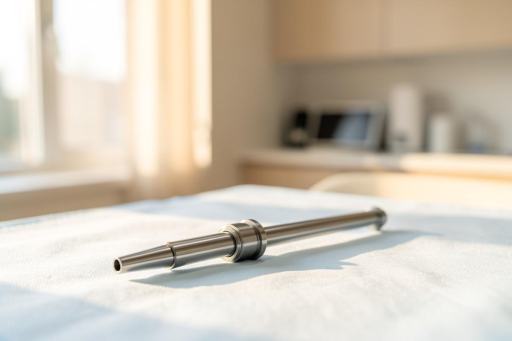
Liposuction cannulas are crucial tools for effective fat removal. These thin, tube-like instruments allow surgeons to extract fat with precision. The design and size of cannulas influence the overall success of the procedure. Selecting the right type of cannula is vital for achieving optimal results.
Different types of cannulas serve various purposes in liposuction. Some are designed for large volumes of fat removal, while others target smaller areas. For instance, smaller cannulas are ideal for delicate regions, such as the face. Surgeons choose cannulas based on the specific liposuction procedure steps and the patient's unique needs.
The technique employed during fat removal also impacts results. Using a gentle, controlled motion with the cannula minimizes tissue trauma. This approach not only enhances the effectiveness of the fat removal technique but also promotes quicker recovery. Surgeons are trained to manipulate cannulas skillfully for the best outcomes.
Patients should discuss the types of cannulas with their surgeon before the procedure. Knowing the tools and techniques can ease concerns about the process. Proper preparation and awareness lead to better patient satisfaction. Emphasizing the importance of cannulas in the overall liposuction experience can help build confidence in the procedure.
Plan Your Liposuction Consultation
Share a few details about your body-contouring goals, health history, and planning preferences. Your answers help the care team understand what information to discuss with you.
Plan Your Liposuction Consultation
These questions provide background for a safer, more relevant consultation. Share only information you are comfortable providing, and include details you want the care team to consider.
Plan Your Liposuction Consultation
Understanding your timing and information needs helps with consultation planning. Select the options that best reflect your current plans.
Contact information
Your information is only used to contact you and is never shared with third parties.
Your request has been received!
Thank you. Your information has been submitted for review, and the care team can use it to guide your consultation.
Vital Fat Removal Techniques: Tumescent, Ultrasound, and Beyond
Vital fat removal techniques include tumescent liposuction and ultrasound-assisted methods. Each technique is designed to enhance fat extraction and improve safety. Selecting the appropriate method can significantly affect the results of liposuction. Patients should be informed about how each technique works before making decisions.
Tumescent liposuction remains one of the most popular fat removal techniques. This method involves injecting a saline solution into the treatment area, which helps to numb the tissue. The solution also reduces bleeding during the procedure. This technique allows for a gentler removal process, leading to quicker recovery times.
Ultrasound-assisted liposuction utilizes sound waves to break down fat cells. This method is particularly effective for larger fat deposits and tight areas. The ultrasound energy liquefies fat, making it easier to remove. Patients often benefit from less trauma to surrounding tissues, which can result in less swelling.
Discussing the various fat removal techniques with a surgeon is essential. Knowing the benefits and limitations of each method can help in making informed choices. A personalized approach to liposuction ensures that patient needs are met. Being proactive about these techniques can lead to better outcomes and satisfaction.
Expert Tips for Liposuction Wound Closure and Recovery
Expert tips for liposuction wound closure and recovery are essential for optimal healing. Proper techniques during liposuction closure can significantly influence the recovery process. Surgeons must carefully consider the best methods for closing incisions. Effective wound closure techniques help minimize scarring and promote better outcomes.
Choosing the right closure method is vital for recovery after liposuction. Surgeons often use dissolvable sutures, which eliminate the need for removal. This approach reduces patient stress and promotes faster healing. In addition, applying surgical tape over the incisions can provide extra support and protection.
Post-operative care plays a crucial role in recovery after liposuction. Patients should follow their surgeon's instructions for cleaning and caring for wounds. Keeping the area clean and dry can prevent complications such as infection. Staying hydrated and following a balanced diet also supports the healing process.
Engaging in light activities, as advised by the surgeon, can aid recovery. Patients should avoid strenuous exercise until cleared to do so. Staying informed about liposuction procedure steps and recovery can empower patients. Being proactive in care and recovery helps ensure successful results and satisfaction.
Key Takeaways
- Liposuction involves the use of anesthesia to ensure patient comfort, with options varying based on the extent of the procedure.
- Proper incision placement is crucial for minimizing scarring and enhancing aesthetic outcomes after liposuction.
- Cannulas are essential tools for fat removal, and their design can significantly impact the success of the procedure.
- Tumescent liposuction is a popular technique that involves injecting a saline solution to aid in fat removal and reduce bleeding.
- Post-operative care, including following wound care instructions and avoiding strenuous activities, is vital for optimal recovery after liposuction.
Frequently Asked Questions
How is liposuction performed step by step?
Liposuction is performed through a series of precise steps. First, anesthesia is administered to ensure patient comfort. Next, small incisions are made to insert the cannulas. Finally, fat is suctioned out using the cannulas with care.
What types of anesthesia are used for liposuction?
Liposuction anesthesia can vary depending on the procedure. Local anesthesia is common for smaller areas. Sedation or general anesthesia may be used for larger procedures. Discussing options with your surgeon is essential for comfort.
When can I return to normal activities after liposuction?
Recovery time varies after liposuction based on the procedure. Most patients can return to light activities in a few days. Strenuous exercises should be avoided for several weeks. Follow your surgeon's advice for the best recovery.
How long do the results of liposuction last?
Liposuction results can last for many years with a stable weight. Maintaining a balanced diet and exercise is crucial. Gaining weight can affect the results over time. Regular follow-ups with your surgeon can help maintain outcomes.
What should I expect during the liposuction recovery process?
Recovery after liposuction includes swelling and bruising in the treated areas. Pain is usually manageable with prescribed medications. Wearing compression garments helps reduce swelling and support healing. Regular monitoring of the incision sites is essential for recovery.
The information provided is for educational purposes only and does not constitute medical advice. Always consult with a healthcare professional for medical guidance specific to your situation.