Quick answer
A typical IVF cycle takes about four to six weeks, encompassing ovarian stimulation and embryo transfer. Individual factors such as age and medical history can influence the overall duration of the process.
How Long Does an IVF Cycle Take?
The process of in vitro fertilization (IVF) is complex and often daunting for couples facing infertility. Understanding how long an IVF cycle takes is crucial for managing expectations and planning. This journey involves various stages, each requiring specific timing and preparation. Knowing the IVF cycle length can help patients feel more in control during a sensitive time.
Patients should consider that the IVF cycle timeline may vary based on individual circumstances. Factors such as age, medical history, and the number of embryos can influence the overall duration. Each phase, from ovarian stimulation to embryo transfer, plays a vital role in determining how long the IVF process will take. Being informed about these phases allows patients to navigate the process with greater confidence.
Establishing a clear timeline for IVF can also reduce anxiety. Anticipating the duration of each step helps couples prepare emotionally and practically. Couples can improve their chances of success by knowing what to expect. Understanding the nuances of the IVF cycle and its various components supports a smoother fertility journey. Continue reading to gain insights into the critical phases and factors affecting IVF cycle length.
Plan Your IVF Treatment Journey
Share a few details about your fertility treatment goals and planning needs. A care coordinator can use your answers to help organize suitable next steps.
Plan Your IVF Treatment Journey
These questions help organize the information that may be useful for clinic coordination. Answer based on the records you currently have available.
Plan Your IVF Treatment Journey
Let us know your preferred planning timeline so coordination can be aligned with your expectations. Select the option that is closest to your situation.
Contact information
Your information is only used to contact you and is never shared with third parties.
Your request has been received!
Thank you for sharing your information. Our care coordination team will review your request and help with the next planning steps.
Step-by-Step IVF Timeline: What to Expect Each Week
The IVF cycle timeline is crucial for patients undergoing fertility treatment. This timeline outlines what to expect each week during the IVF process. Knowing the IVF week by week can help couples prepare for each stage. Awareness of these milestones leads to a more organized approach to treatment.
The first week typically involves ovarian stimulation using hormonal medications. These medications encourage the ovaries to produce multiple eggs. Monitoring through blood tests and ultrasounds starts at this stage. This careful monitoring ensures that the eggs are growing properly and helps determine the optimal time for retrieval. Patients often feel a mix of excitement and anxiety during this crucial phase.
The second week continues with further monitoring and adjustments to medications. Patients may experience side effects from the hormone injections. During this time, the doctor may schedule the egg retrieval procedure. Understanding how long does IVF take during this phase is essential for planning ahead. This stage is vital for ensuring the best possible outcome.
The final stages of the IVF cycle include egg retrieval and embryo transfer. After retrieval, embryos are created in the lab and monitored for development. Depending on the situation, the transfer may occur a few days later. Patients should remember that this entire process varies for everyone. Staying informed about the IVF cycle timeline empowers couples during their journey. Maintaining open communication with the healthcare team can help alleviate concerns.
Crucial Phases of IVF: Stimulation, Retrieval, and Transfer
The crucial phases of IVF include stimulation, retrieval, and transfer. Each phase plays a significant role in the IVF cycle length. Patients must grasp the importance of these stages for successful treatment. Knowing what to expect during each phase can alleviate anxiety.
The IVF stimulation phase begins with hormonal medications to encourage egg production. This phase typically lasts about 10 to 14 days. Regular monitoring through blood tests and ultrasounds helps track the growth of follicles. Each follicle contains an egg, and this monitoring is vital for planning the next steps. Ensuring the right number of mature eggs can improve outcomes.
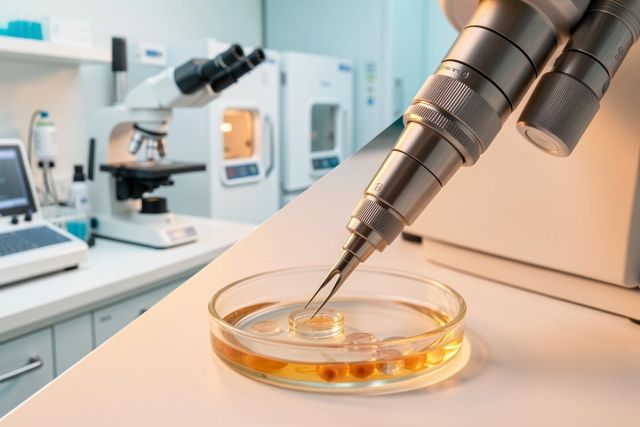
Following stimulation, the egg retrieval process takes place. This procedure is usually done under sedation to minimize discomfort. The egg retrieval duration is typically short, lasting around 20 to 30 minutes. After retrieval, the embryo transfer timing is determined based on the development of the embryos. This careful scheduling is essential for achieving the best possible results.
Patients should prepare for each of these phases with open communication and support. Understanding the IVF stimulation phase, retrieval, and transfer can enhance the overall experience. Staying informed about the process can help manage stress and expectations. Engaging with your healthcare team will provide clarity and confidence throughout the IVF journey.
Top 5 Factors That May Delay Your IVF Cycle
Several factors can lead to IVF delays during the treatment process. These IVF delays can affect the overall timeline and outcomes. Recognizing these factors can help couples prepare for potential disruptions. Awareness of how IVF timeline factors can influence the cycle is essential for emotional readiness.
Medical issues often contribute to IVF process disruptions. Conditions such as polycystic ovary syndrome or endometriosis may require additional treatment. Addressing these health concerns can take extra time before beginning IVF. Additionally, hormonal imbalances may necessitate further monitoring and adjustments to medications. These medical factors can significantly impact the duration of the IVF cycle.
Scheduling conflicts can also lead to delays in the IVF process. Coordinating appointments for tests and procedures can be challenging. If a patient or doctor faces scheduling issues, it may postpone critical steps. Missing a vital appointment can complicate the IVF timeline and lead to further delays. Flexibility in scheduling is crucial for maintaining momentum during treatment.
Patients should maintain open communication with their healthcare team. Being proactive about potential IVF delays can help manage expectations. Discussing any concerns early on can prevent unnecessary stress. Staying informed about reasons IVF takes longer allows couples to navigate the process more effectively. Engaging with your support network can also enhance emotional well-being during this journey.
Plan Your IVF Treatment Journey
Share a few details about your fertility treatment goals and planning needs. A care coordinator can use your answers to help organize suitable next steps.
Plan Your IVF Treatment Journey
These questions help organize the information that may be useful for clinic coordination. Answer based on the records you currently have available.
Plan Your IVF Treatment Journey
Let us know your preferred planning timeline so coordination can be aligned with your expectations. Select the option that is closest to your situation.
Contact information
Your information is only used to contact you and is never shared with third parties.
Your request has been received!
Thank you for sharing your information. Our care coordination team will review your request and help with the next planning steps.
How to Prepare for a Smooth IVF Journey: Essential Tips
Preparing for IVF is crucial for a successful journey. Couples can benefit from following essential tips to enhance their experience. Knowing how to prepare for IVF can alleviate stress and improve outcomes. Taking proactive steps leads to a smoother IVF process overall.
Emotional readiness plays a significant role in the IVF journey. Couples should engage in open conversations about fears and expectations. This communication fosters a supportive environment, which is vital during treatment. Seeking counseling or support groups can also provide valuable coping strategies. These IVF journey tips help build resilience during challenging times.
Physical health should not be overlooked when preparing for IVF. Maintaining a balanced diet and regular exercise can enhance fertility. Avoiding alcohol and tobacco significantly improves overall health and boosts success rates. Regular check-ups with the healthcare provider help monitor any underlying conditions. Optimizing physical health can directly influence IVF success strategies.
Staying organized can make the IVF timeline easier to navigate. Keeping a calendar of appointments and medication schedules ensures nothing is missed. Documenting questions for consultations can also enhance communication with the healthcare team. Being proactive in preparation allows couples to focus on their emotional well-being. Embracing these strategies will set the stage for a more fulfilling IVF experience.
IVF Cycle Duration: Comparing Fresh vs. Frozen Embryo Transfers
IVF cycle duration varies significantly between fresh and frozen embryo transfers. Each option has its unique timeline and considerations. Knowing the differences can help couples make informed decisions. This comparison is essential for planning the IVF process length effectively.
Fresh embryo transfers occur shortly after egg retrieval. This approach typically allows for immediate implantation of viable embryos. The IVF cycle duration for fresh transfers usually spans about four to six weeks. This expedited timeline can be beneficial for couples eager to begin their family-building journey.
Frozen embryo transfers have a different timeline. After egg retrieval, embryos are frozen for later use. The frozen embryo transfer timeline can extend the overall IVF process. Couples may need additional preparation before the transfer, including hormone therapy. This additional time allows for better synchronization of the uterine lining, potentially improving success rates.
Choosing between fresh and frozen options depends on personal circumstances. Couples should consider their health, preferences, and medical advice. Discussing the pros and cons of fresh vs frozen IVF with a healthcare provider can clarify options. Prioritizing informed decision-making contributes to a more tailored IVF experience. Engaging with your healthcare team ensures you feel confident throughout the journey.
Key Takeaways
- The IVF cycle involves several phases, including ovarian stimulation, egg retrieval, and embryo transfer, each contributing to the overall timeline.
- Patients may experience delays in their IVF cycle due to medical issues, scheduling conflicts, or hormonal adjustments.
- Maintaining open communication with the healthcare team is crucial for managing expectations and navigating potential delays during the IVF process.
- Emotional and physical preparation, such as maintaining a healthy lifestyle and seeking support, can enhance the IVF experience and outcomes.
- The choice between fresh and frozen embryo transfers affects the IVF timeline, with fresh transfers typically being quicker than frozen ones.
Frequently Asked Questions
How long does a typical IVF cycle take?
A typical IVF cycle takes about four to six weeks. This duration includes ovarian stimulation and embryo transfer. Factors like the individual’s health can influence the IVF cycle length. It's important to consult with your healthcare provider for specifics.
What factors affect the length of the IVF timeline?
Several factors can impact the IVF timeline. These include age, medical history, and response to medications. Additionally, the type of embryo transfer can influence the IVF cycle duration. Discussing these factors with your doctor is essential.
How to prepare for each stage of the IVF process?
Preparation for IVF involves several key steps. Maintaining a healthy lifestyle can optimize outcomes. Keeping track of appointments and medications is crucial for success. Engaging with your healthcare team can also provide valuable support.
When should I expect to see results from IVF?
Results from IVF can be expected about two weeks post-transfer. This time frame allows for pregnancy tests to determine success. The IVF cycle length may vary based on individual circumstances. Follow-up appointments are essential for monitoring progress.
Is there a difference between fresh and frozen embryo transfers?
Yes, fresh and frozen embryo transfers differ in timing. Fresh transfers occur right after egg retrieval. Frozen transfers may require additional preparation and take longer. Discussing these options with your doctor can clarify the IVF timeline.
The information provided is for educational purposes only and does not constitute medical advice. Always consult with a healthcare professional for medical guidance specific to your situation.