Quick answer
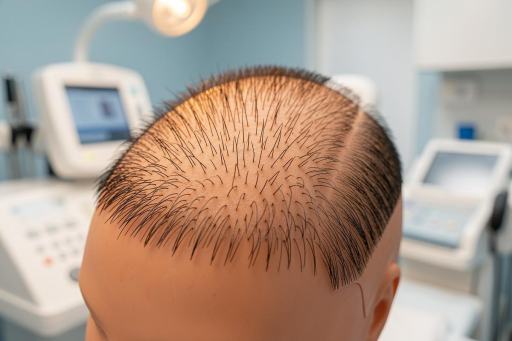
A hair transplant is a surgical procedure that moves hair follicles from one part of the body to balding areas, effectively restoring hair loss. This method can enhance self-esteem and provide a permanent solution for individuals experiencing hair loss due to various factors.
What Is a Hair Transplant? How Follicles Are Moved and What the Procedure Can Achieve
Hair transplants are increasingly popular among individuals seeking to regain their confidence. Knowing what a hair transplant is and how it works is essential for anyone considering this option. This procedure can effectively restore hair loss due to genetics, medical conditions, or trauma. As more people focus on their appearance, understanding hair restoration surgery becomes vital for informed decision-making.
The process involves moving hair follicles from one part of the body to another. A successful hair transplant can lead to natural-looking results and improved self-esteem. Many individuals look for solutions to combat thinning hair or bald spots. Choosing the right method and understanding the recovery process are crucial for achieving desired outcomes.
Results vary based on the technique and individual factors. Knowing what to expect after a hair transplant helps set realistic goals. The journey to fuller hair begins with understanding how this transformative process works. Dive into the details of hair restoration and explore how it can impact your life positively.
Plan Your Hair Transplant Consultation
Share a few details about your hair restoration goals so a clinic can better prepare for your review.
Plan Your Hair Transplant Consultation
These questions help provide context about your hair restoration history. Answer based on your own experience, or leave optional details blank if you are unsure.
Plan Your Hair Transplant Consultation
Let us know which topics you want to cover during a clinic review. You can also add specific questions about methods, recovery, or planning.
Contact information
Your information is only used to contact you and is never shared with third parties.
Your request has been received!
Thank you. Your information has been submitted for clinic review.
Top 5 Reasons People Choose Hair Restoration Surgery
Hair restoration surgery offers numerous benefits that attract many individuals. The desire for a fuller head of hair drives people to consider this effective procedure. Many seek solutions for hair loss resulting from genetics, aging, or medical conditions. Understanding the reasons for hair transplant helps individuals make informed choices about their appearance.
A significant motivation for hair restoration surgery is enhanced self-esteem. People often find that hair loss affects their confidence and social interactions. A successful hair transplant can lead to noticeable improvements in appearance, providing a boost in self-image. Many patients report feeling more attractive and youthful after the procedure.
Another compelling reason involves the desire for a permanent solution. Temporary hair loss treatments often require ongoing maintenance and can be costly over time. Hair restoration offers a long-lasting alternative that can significantly reduce the need for continuous products. Many individuals appreciate the convenience and effectiveness of permanent results from a hair transplant.
Practical considerations also play a vital role in the decision-making process. Patients should weigh the benefits of hair transplant against potential risks. Consulting with a qualified specialist can provide personalized insights tailored to individual needs. Exploring the benefits of hair transplant can lead to a transformative experience that positively impacts life. Consider taking the first step toward a more confident you.
How Does a Hair Transplant Work? Step-by-Step Guide
The hair transplant process involves several important steps to achieve successful results. How does a hair transplant work? This procedure entails the movement of hair follicles from donor areas to balding regions. Patients can expect a detailed plan tailored to their specific needs during the hair transplant procedure steps.
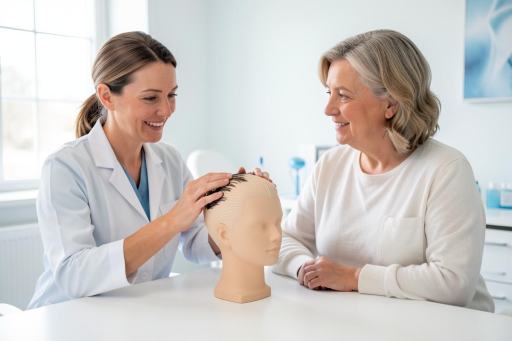
Initially, a thorough consultation is conducted to assess hair loss patterns. Doctors evaluate potential donor sites, usually the back or sides of the head. After determining a suitable approach, patients receive local anesthesia to ensure comfort during the surgery. This careful preparation is essential for a smooth hair follicles movement and overall success.
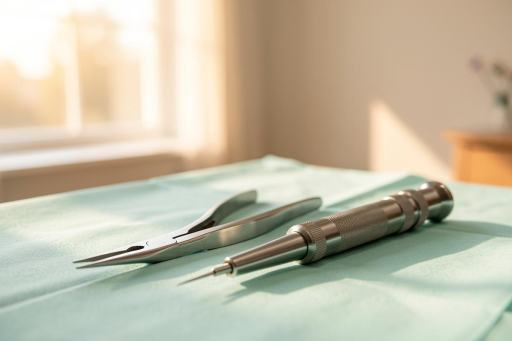
Following anesthesia, the surgeon extracts hair follicles using one of two methods: FUE or FUT. In FUE, individual follicles are removed, while FUT involves removing a strip of scalp. Both techniques have unique advantages, allowing for personalized treatment. Regardless of the method chosen, the hair transplant process aims to provide natural-looking results.
Patients should prioritize aftercare to facilitate optimal healing and growth. Avoiding strenuous activities and following post-operative instructions are crucial for recovery. Knowing how to care for the transplanted area helps ensure successful hair growth. This proactive approach can lead to satisfying results in the long run. Explore the journey of hair restoration and take the first step toward fuller hair today.
FUE vs. FUT: Which Hair Transplant Method Is Right for You?
FUE vs FUT hair transplant presents patients with two distinct methods for hair restoration. Each technique has unique advantages that cater to different needs. Choosing the best hair transplant method depends on individual preferences and hair loss patterns. Exploring the differences between these hair transplant techniques can help make an informed decision.
Follicular Unit Extraction (FUE) involves harvesting individual hair follicles directly from the scalp. This method leaves minimal scarring and allows for faster recovery. Many patients prefer FUE due to its less invasive nature. Those seeking a discreet procedure often find FUE aligns with their goals for hair restoration.
Follicular Unit Transplantation (FUT) is another option that involves removing a strip of scalp. This method can yield a larger number of grafts in a single session. Patients with extensive hair loss may benefit from this technique. While FUT may leave a linear scar, it provides an effective solution for significant bald areas.
Making the right choice between FUE and FUT depends on various factors. Considerations include the extent of hair loss, desired results, and personal lifestyle. Consulting with a qualified specialist can provide tailored advice based on individual needs. Taking the time to explore these hair transplant methods can lead to a satisfying outcome and renewed confidence.
Plan Your Hair Transplant Consultation
Share a few details about your hair restoration goals so a clinic can better prepare for your review.
Plan Your Hair Transplant Consultation
These questions help provide context about your hair restoration history. Answer based on your own experience, or leave optional details blank if you are unsure.
Plan Your Hair Transplant Consultation
Let us know which topics you want to cover during a clinic review. You can also add specific questions about methods, recovery, or planning.
Contact information
Your information is only used to contact you and is never shared with third parties.
Your request has been received!
Thank you. Your information has been submitted for clinic review.
Crucial Recovery Tips After Hair Transplant Surgery
Crucial recovery tips after hair transplant surgery can significantly impact results. Proper hair transplant recovery is essential for achieving optimal growth and appearance. Following post-operative guidelines helps ensure that the transplanted follicles settle correctly. Patients should take these recommendations seriously to promote successful healing after hair transplant.
Aftercare for hair restoration begins immediately post-surgery. Patients should avoid touching or scratching the scalp for the first few days. Keeping the head elevated during sleep can reduce swelling. Gentle cleansing of the scalp with mild soap is recommended to maintain hygiene.
Managing activities during the recovery period is equally important. Avoiding strenuous exercise for at least two weeks allows for proper healing. Patients should refrain from exposing the scalp to direct sunlight. Wearing a loose hat can provide protection while promoting healing after hair transplant.
Following these post-surgery hair transplant tips can lead to smoother recovery. Staying hydrated and maintaining a balanced diet supports overall health. Regularly scheduling follow-up appointments with a healthcare provider ensures progress is monitored. Committing to these essential aftercare practices can help achieve the desired results and boost confidence.
What Results Can You Expect from a Hair Transplant?
What results can you expect from a hair transplant? The outcome of this procedure can vary based on individual factors. Patients should have realistic hair restoration goals to align with their expectations. Knowing what to expect after hair transplant helps in planning for the best results.
Hair transplant results typically become noticeable within a few months. Initially, transplanted hair may fall out, which is normal. This shedding occurs as the hair follicles enter a resting phase. Gradually, new hair begins to grow, leading to a fuller appearance over time.
The hair growth timeline can span several months to a year. Most patients see significant improvement by the six-month mark. By the end of the first year, results are usually at their best. Those who maintain a healthy lifestyle can enhance and sustain their results.
Setting realistic expectations is essential for a satisfying experience. Regular follow-ups with a healthcare provider can help track progress. Patients should remember that individual results may vary based on multiple factors. Taking these steps can lead to a successful hair restoration journey and renewed confidence in appearance.
Key Takeaways
- Hair transplants can restore hair loss caused by genetics, medical conditions, or trauma.
- The procedure involves extracting hair follicles from donor sites and transplanting them to balding areas.
- Results from a hair transplant typically become noticeable within a few months, with significant improvement often seen by six months.
- Patients should follow specific aftercare instructions to promote optimal healing and hair growth after the procedure.
- Consulting with a qualified specialist is essential to determine the most suitable hair transplant method based on individual needs.
Frequently Asked Questions
What is a hair transplant and how does it work?
A hair transplant is a surgical procedure for hair restoration. It involves moving hair follicles from a donor site. This process helps restore hair to balding areas. Patients can achieve a natural-looking hairline through this method.
How does a hair transplant work step-by-step?
The hair transplant process begins with a consultation. Next, hair follicles are extracted from the donor area. These follicles are then transplanted to thinning or balding regions. After surgery, patients follow specific aftercare for optimal results.
What are the benefits of hair restoration surgery?
Hair restoration surgery provides a permanent solution for hair loss. It enhances self-esteem and boosts confidence in appearance. Many patients enjoy natural-looking results after the procedure. This method can significantly improve overall quality of life.
When should I expect results from a hair transplant?
Results from a hair transplant typically appear within months. Initially, transplanted hair may shed before new growth occurs. Most patients notice improvements by six months post-surgery. Full results can take up to a year to be visible.
Is hair restoration surgery suitable for everyone?
Not everyone is a candidate for hair restoration surgery. Factors like hair loss pattern and health status are considered. A consultation with a specialist can determine eligibility. Personalized assessments help ensure the best outcomes for patients.
The information provided is for educational purposes only and does not constitute medical advice. Always consult with a healthcare professional for medical guidance specific to your situation.