Quick answer
Shaved and unshaven hair transplant methods offer different benefits and drawbacks. Choosing the right technique depends on individual preferences for visibility, recovery time, and desired results.
Shaved vs Unshaven Hair Transplant: Results, Visibility, Recovery, and Limitations
Shaved vs unshaven hair transplant methods represent two distinct approaches to hair restoration. Choosing the right technique is crucial for achieving desirable results. With the increasing prevalence of hair loss, many patients seek effective solutions to restore their confidence and appearance. Understanding the differences between these two methods helps individuals make informed decisions that align with their personal needs.
No shave hair transplant techniques have gained popularity due to their minimal visibility during recovery. Patients often appreciate the discretion offered by unshaven methods, allowing them to maintain their regular routines. This style of hair restoration can be especially beneficial for those who prefer a less noticeable approach. Factors such as hair type, scalp condition, and desired outcome play vital roles in determining the most suitable option.
Shaved vs unshaven FUE techniques each have unique advantages and limitations. Exploring these differences is essential for anyone considering a hair transplant. Patients should carefully evaluate their priorities and lifestyle needs before making a decision. A thorough understanding of both options can lead to better results and increased satisfaction. Continue reading to uncover the key aspects that will guide your choice between these two methods.
Plan Your Hair Transplant Consultation
Share a few details about your hair restoration goals so a clinic can better prepare for your review.
Plan Your Hair Transplant Consultation
These questions help provide context about your hair restoration history. Answer based on your own experience, or leave optional details blank if you are unsure.
Plan Your Hair Transplant Consultation
Let us know which topics you want to cover during a clinic review. You can also add specific questions about methods, recovery, or planning.
Contact information
Your information is only used to contact you and is never shared with third parties.
Your request has been received!
Thank you. Your information has been submitted for clinic review.
5 Key Differences: Shaved vs Unshaven FUE Results
Shaved vs unshaven FUE results can vary significantly based on technique. Each method impacts hair density and overall appearance differently. Patients often seek full coverage hair transplant solutions that best meet their needs. Recognizing these differences is essential for making an informed decision.
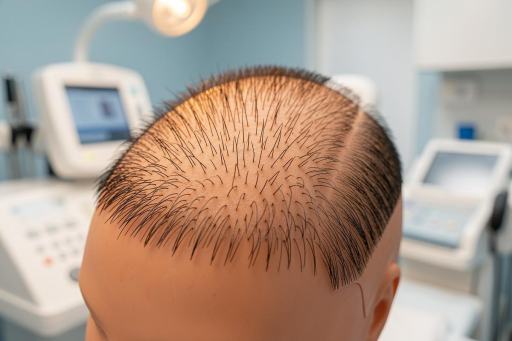
Shaved FUE procedures typically allow for better visibility of grafts. This method often results in a more uniform hair density across the scalp. As a result, patients may enjoy a fuller appearance sooner. Surgeons can easily access hair follicles, making the extraction process more efficient.
Unshaven FUE techniques provide a more discreet option. Patients appreciate the minimal visible changes to their hair during recovery. However, achieving optimal hair density can be more challenging. This method may require a longer healing time before full results are evident.
When deciding between shaved vs unshaven FUE, consider your lifestyle and recovery needs. Shaved techniques often yield quicker and denser results. Unshaven methods offer convenience but may involve compromises. Consult with a qualified specialist to determine the best approach for your hair restoration journey.
How Visible Are No Shave Hair Transplants Right After Surgery?
How visible are no shave hair transplants right after surgery? This question is common among patients considering this technique. Visibility after hair transplant procedures can greatly influence a patient's decision. Many individuals prefer discreet options that allow for a quick recovery with minimal noticeability.
No shave hair transplants can be less visible immediately after surgery. The hair follicles are extracted without shaving the surrounding hair, providing a natural look. Patients often find it easier to conceal FUE grafts in existing hair. This method allows individuals to return to their daily activities sooner without drawing attention.
Scalp appearance after transplant varies among patients. Some may experience slight redness or swelling in the treated areas. However, these symptoms typically subside within a few days. The presence of surrounding hair can help mask any initial signs of the procedure.
Practical tips can help individuals maintain a natural look post-surgery. Wearing hats or headbands can assist in concealing any visible signs. Following the surgeon's aftercare instructions is crucial for optimal healing. This will contribute to a more favorable appearance as the scalp recovers. Consulting with a qualified professional will provide personalized insights into your specific situation.
Essential Recovery Timeline: Shaved vs Unshaven Hair Transplant
Essential recovery timeline: shaved vs unshaven hair transplant highlights key differences. Recovery experiences can vary greatly based on the chosen method. Each technique has unique healing processes that affect patient comfort and appearance. Knowing these differences helps individuals prepare for what lies ahead.
Shaved hair transplant recovery generally follows a more predictable path. Patients often experience less swelling and redness. This method allows for quicker scalp healing after hair transplant. The visibility of grafts diminishes faster, leading to a more confident return to normal activities.
In contrast, unshaven hair transplant downtime can be more prolonged. While some patients appreciate the discretion, they may face extended recovery times. This technique often results in more visible signs of treatment initially. Careful post-operative care is essential for optimal results and faster healing.
Practical advice is invaluable for anyone undergoing hair restoration. Following your surgeon's recovery timeline for FUE will aid in the process. Be mindful of instructions regarding hair care and activity restrictions. Staying informed will help ensure a smoother recovery journey. Consulting with your healthcare provider can also provide personalized guidance.
Plan Your Hair Transplant Consultation
Share a few details about your hair restoration goals so a clinic can better prepare for your review.
Plan Your Hair Transplant Consultation
These questions help provide context about your hair restoration history. Answer based on your own experience, or leave optional details blank if you are unsure.
Plan Your Hair Transplant Consultation
Let us know which topics you want to cover during a clinic review. You can also add specific questions about methods, recovery, or planning.
Contact information
Your information is only used to contact you and is never shared with third parties.
Your request has been received!
Thank you. Your information has been submitted for clinic review.
Top 4 Limitations of Unshaven Hair Transplant Procedures
Top 4 limitations of unshaven hair transplant procedures can significantly impact results. While this method offers discretion, it carries specific drawbacks. Patients should be aware of these limitations before deciding on their hair restoration approach. Knowing the challenges can lead to better choices for hair transplant candidacy.
One primary limitation involves the difficulty in achieving optimal hair density. No shave FUE drawbacks often arise because surrounding hair may hinder access to follicles. This can result in uneven coverage and affect overall appearance. Patients seeking a large area hair transplant may face more significant challenges with this technique.
Another limitation is the longer recovery period associated with unshaven procedures. Patients typically experience increased swelling and redness in treated areas. These symptoms can persist longer than with shaved techniques. This extended downtime may not suit everyone, especially those with busy lifestyles.
Practical considerations are crucial when weighing your options. Evaluate the limitations of unshaven hair transplant methods against your goals. A thorough consultation with a qualified specialist will help identify the best approach for your needs. Being informed will empower you to make confident decisions regarding your hair restoration journey.
How to Choose the Right Hair Transplant Method for You
How to choose the right hair transplant method for you involves careful consideration. Each technique has unique advantages and limitations that affect results. Evaluating your specific needs and lifestyle will guide this important decision. Making a well-informed choice can lead to successful hair restoration.
Shaved vs unshaven decision is often one of the first considerations. Shaved methods generally offer quicker recovery and denser results. Patients seeking immediate fullness may prefer this approach. On the other hand, unshaven techniques allow for more discretion during recovery, which is appealing to many individuals.
Another crucial factor is your overall lifestyle and daily routine. The best hair transplant for lifestyle varies among patients. Those with active jobs may benefit from less visible options. Conversely, individuals who prioritize optimal results may opt for a shaved technique despite longer downtime.
Practical advice is essential when selecting a hair transplant method. Discuss your goals and concerns with a qualified specialist. They can provide personalized insights and help you evaluate your options. Being proactive in this decision-making process will empower you to achieve the desired results in your hair restoration journey.
Key Takeaways
- Shaved hair transplants typically provide quicker recovery and denser results compared to unshaven techniques.
- Unshaven hair transplants are less visible during recovery but may require a longer healing time.
- Patients should consider their lifestyle and daily routines when deciding between shaved and unshaven methods.
- Following post-operative care instructions is crucial for optimal healing and appearance after any hair transplant procedure.
- Consulting with a qualified specialist can help individuals make informed decisions about their hair restoration options.
Frequently Asked Questions
What is an unshaven hair transplant procedure?
An unshaven hair transplant allows for follicle extraction without shaving. This technique provides a more discreet recovery experience. Patients can maintain their existing hairstyle during the healing phase. It is popular for those seeking minimal visibility after surgery.
How does a no shave hair transplant work?
A no shave hair transplant uses existing hair to cover graft sites. Surgeons carefully extract follicles without shaving the surrounding hair. This method aims to reduce visible signs of the procedure. It often results in a natural look during recovery.
What are the benefits of shaved vs unshaven FUE?
Shaved FUE typically offers faster recovery and easier graft access. It may lead to denser results for patients. Unshaven techniques provide discretion but can involve longer healing times. Choosing between methods depends on personal preference and lifestyle.
When can I return to normal activities after surgery?
Recovery time varies based on the chosen method. Unshaven hair transplant patients often need a longer downtime. Shaved techniques generally allow for quicker resumption of daily activities. Always follow your surgeon's specific aftercare instructions for best results.
Is there a difference in results between the methods?
Yes, results can differ between shaved and unshaven techniques. Shaved methods often yield denser hair coverage. Unshaven methods may take longer to show full results. Individual factors also play a crucial role in overall outcomes.
The information provided is for educational purposes only and does not constitute medical advice. Always consult with a healthcare professional for medical guidance specific to your situation.