Quick answer
The number of grafts needed for a hair transplant varies based on individual factors such as hair-loss pattern and desired density. Consulting a specialist and using a graft calculator can help provide a more accurate estimate of your needs.
How Many Grafts Do I Need for a Hair Transplant? Hair-Loss Pattern, Area, Density, and Donor Reserve
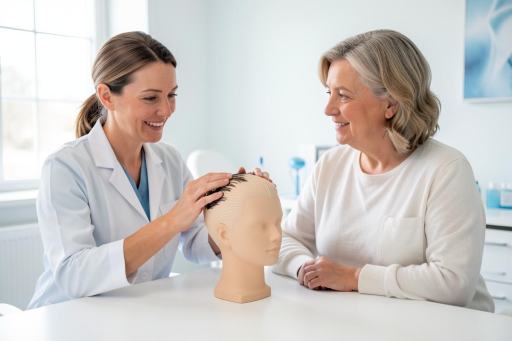
Hair transplants have gained immense popularity among individuals experiencing hair loss. Knowing how many grafts you need for a hair transplant is vital for achieving successful results. Many factors influence this number, including your hair-loss pattern and donor reserve. Understanding these elements can empower patients to make informed decisions regarding their hair restoration journey.
Utilizing a hair transplant graft calculator can simplify the estimation process. This tool considers various factors, including the area of thinning and desired density. By entering your specific details, you can receive a more tailored graft recommendation. Knowing the right number of grafts helps set realistic expectations and enhances satisfaction with the final outcome.
Determining the grafts needed by the Norwood scale is another essential aspect of planning. Each stage of hair loss corresponds to a specific graft range, allowing for better alignment with your restoration goals. Achieving a naturally thick appearance requires careful consideration of these factors. Taking the time to evaluate your unique situation will lead to a more successful hair transplant experience.
Plan Your Hair Transplant Consultation
Share a few details about your hair restoration goals so a clinic can better prepare for your review.
Plan Your Hair Transplant Consultation
These questions help provide context about your hair restoration history. Answer based on your own experience, or leave optional details blank if you are unsure.
Plan Your Hair Transplant Consultation
Let us know which topics you want to cover during a clinic review. You can also add specific questions about methods, recovery, or planning.
Contact information
Your information is only used to contact you and is never shared with third parties.
Your request has been received!
Thank you. Your information has been submitted for clinic review.
5 Key Factors That Determine Your Hair Transplant Graft Count
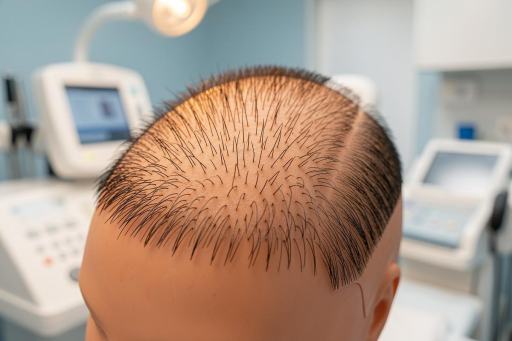
How many grafts do I need for my hair transplant? This question is crucial for individuals considering hair restoration. Several factors influence the graft count required for an effective procedure. Evaluating your hair-loss pattern is one of the first essential steps.
Your hair density plays a significant role in determining graft needs. Patients desiring a thicker appearance may require more grafts. Ideally, achieving a natural look involves balancing density with available donor hair. For example, individuals with a higher hair density may need fewer grafts to achieve fullness.
Donor reserve is another critical factor in calculating graft requirements. A healthy donor area can provide more grafts for transplant. Patients with smaller donor reserves may face limitations in achieving optimal coverage. Extensive planning and consultation are necessary to assess this aspect accurately.
Practical takeaways include assessing both your hair-loss pattern and donor reserve. Be open to discussing your goals with a qualified specialist. Understanding these factors will help set realistic expectations for your hair transplant journey. The more informed you are about how many grafts you may need, the better your chances of a successful outcome.
How to Use a Hair Transplant Graft Calculator for Accurate Estimates
Using a hair transplant graft calculator for accurate estimates simplifies your planning process. This tool helps determine how many grafts you may need based on specific factors. By inputting essential details, you can better assess your options for hair restoration. Knowing how to calculate hair transplant needs can lead to more effective results.
Start by gathering relevant information about your hair-loss pattern. Input details such as the area of thinning and your desired density. Many calculators also incorporate the grafts needed by the Norwood scale for better accuracy. This approach ensures your estimate reflects your unique situation.
Consider the calculator's recommendations as a starting point. While these tools provide valuable insights, consulting a professional remains essential. Experts can analyze your donor reserve and refine the initial estimate. This collaboration will help ensure that you achieve the most natural-looking results.
Practical advice includes using the calculator as a guideline rather than a final decision. Keep your hair density and donor area in mind during the process. Engaging with a qualified specialist will enhance your understanding of how to achieve your hair restoration goals. Explore this option to make informed choices for your hair transplant journey.
Norwood Scale: Matching Graft Numbers to Hair-Loss Stages
The Norwood scale is essential for matching graft numbers to hair-loss stages. This scale helps categorize different patterns of male pattern baldness. By identifying your stage, you can estimate the grafts needed for effective restoration. Knowing your specific hair-loss pattern is the first step in hair transplant planning.
Each stage of the Norwood scale corresponds to a range of grafts needed. For example, stage two may require around 1,000 to 1,500 grafts. In contrast, stage five can necessitate up to 3,000 grafts or more. Assessing your current level of hair loss will provide a clearer picture of your needs.
Grafts needed by the Norwood scale guide patients toward realistic expectations. A professional can help interpret the scale and recommend the appropriate graft count. This collaboration allows for a tailored approach to hair restoration. Accurate assessment ensures that patients achieve natural-looking results while addressing their unique situations.
Practical steps include consulting with a specialist to confirm your Norwood stage. Share your hair-loss pattern and goals during your appointment. This information will help refine your graft estimate and enhance your overall experience. Take proactive measures to ensure your hair transplant journey is successful and satisfying.
Plan Your Hair Transplant Consultation
Share a few details about your hair restoration goals so a clinic can better prepare for your review.
Plan Your Hair Transplant Consultation
These questions help provide context about your hair restoration history. Answer based on your own experience, or leave optional details blank if you are unsure.
Plan Your Hair Transplant Consultation
Let us know which topics you want to cover during a clinic review. You can also add specific questions about methods, recovery, or planning.
Contact information
Your information is only used to contact you and is never shared with third parties.
Your request has been received!
Thank you. Your information has been submitted for clinic review.
Maximizing Donor Area: Essential Tips for Preserving Graft Quality
Maximizing donor area is crucial for preserving graft quality during hair transplants. A healthy donor reserve ensures that enough high-quality grafts are available. This process directly affects the overall success of your hair restoration. Taking steps to care for your donor area is vital for optimal results.
Proper grooming plays a significant role in maintaining your donor area. Regularly trimming hair can help keep the scalp healthy and manageable. Avoid harsh chemicals or treatments that may harm the follicles. Protecting your scalp fosters a better environment for graft extraction and survival.
Nutrition also influences the quality of your donor reserve. A balanced diet rich in vitamins and minerals supports hair health. Foods high in protein, omega-3 fatty acids, and antioxidants can promote stronger follicles. Prioritizing nutrition will enhance the overall quality of your hair and grafts.
Practical advice includes consulting a specialist for personalized hair transplant tips. Share your concerns about preserving your donor area during your consultation. This proactive approach can help you achieve the best possible outcome. Focus on maintaining a healthy donor reserve to ensure a successful hair restoration journey.
How to Choose Your Ideal Hair Density for Natural Results
Choosing your ideal hair density for natural results is crucial in hair restoration. This decision affects the final appearance of your hair transplant. Achieving a balance between thickness and natural look will enhance your confidence. Assessing your hair density goals is the first step in this process.
Factors such as age, hair type, and personal preference influence your ideal hair density. For instance, younger individuals may desire a fuller look to match their age. Individuals with finer hair may benefit from a lower density to avoid an unnatural appearance. Evaluating these elements will help you determine the right density for your situation.
Consulting with a hair transplant specialist can provide valuable insights. They can recommend how many grafts you need based on your desired density. This collaboration ensures that your expectations align with the available donor reserve. A professional can guide you toward achieving a natural hair transplant result.
Practical takeaways include discussing your hair density goals with your specialist. Be open about your preferences and concerns during consultations. This proactive approach will help you make informed decisions about your hair restoration journey. Focus on achieving a natural appearance while prioritizing your personal style preferences.
Key Takeaways
- Evaluating your hair-loss pattern is essential for determining the number of grafts required.
- Your hair density influences the number of grafts needed; those seeking a thicker appearance may require more grafts.
- Donor reserve is a critical factor; a healthy donor area can provide more grafts for transplant.
- Using a hair transplant graft calculator can simplify the estimation process, but consulting a professional is crucial for accuracy.
- Discussing your hair density goals with a specialist can help align your expectations with the available donor reserve.
Frequently Asked Questions
How many grafts do I need for a hair transplant?
The number of grafts needed varies by individual. It depends on your hair-loss pattern and desired density. Using a hair transplant graft calculator can help estimate your needs. Consulting a specialist will provide a more accurate assessment.
What is the Norwood scale for hair loss?
The Norwood scale categorizes male pattern baldness into stages. Each stage indicates the severity of hair loss. This scale helps determine the grafts needed by Norwood scale. Understanding your stage is essential for effective hair transplant planning.
How can I use a hair transplant graft calculator?
Using a hair transplant graft calculator is straightforward. Enter details such as your hair-loss pattern and desired density. The calculator will give you an estimated number of grafts needed. This information serves as a helpful guideline for discussions with your specialist.
When should I consider a hair transplant?
Consider a hair transplant when experiencing significant hair loss. If your hair-loss pattern matches a higher Norwood stage, it may be time. Consulting a professional can help assess your situation. They will guide you through your options for restoration.
Can I achieve natural results with a hair transplant?
Achieving natural results is possible with proper planning. Choosing the ideal hair density is crucial for your appearance. A qualified specialist can help ensure grafts are placed correctly. This approach maximizes the chances of a successful and natural-looking outcome.
The information provided is for educational purposes only and does not constitute medical advice. Always consult with a healthcare professional for medical guidance specific to your situation.