Quick answer
A hair transplant consultation is essential for understanding the procedure and preparing for optimal results. Proper preparation includes managing medications, quitting smoking, and following specific hair-care instructions.
Hair Transplant Consultation and Preparation: Diagnosis, Tests, Medicines, Smoking, and Hair-Care Instructions
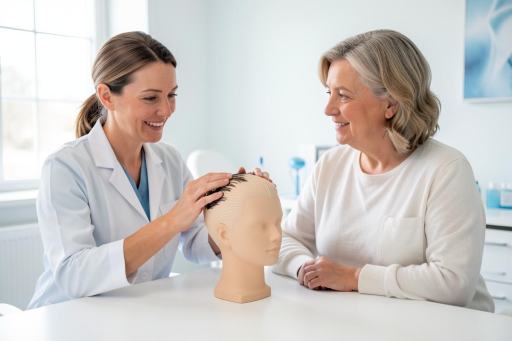
Hair transplant consultation plays a vital role in the journey to restoring hair. This initial meeting helps patients understand their options and the necessary steps for a successful outcome. Proper preparation for a hair transplant is crucial for achieving optimal results. Patients must be informed about the diagnosis, tests, and care instructions involved in the process.
Preparing for a hair transplant requires attention to various factors, including medication management and lifestyle changes. Quitting smoking is essential, as it can greatly impact recovery and overall success. Following pre-op instructions and adhering to hair-care guidelines can enhance the chances of a positive result. Engaging in thorough consultations allows for personalized planning tailored to individual needs.
Understanding the importance of each step in hair transplant preparation empowers patients to take control of their journey. Familiarity with the evaluation process, necessary tests, and care recommendations will help alleviate concerns. Being well-informed will not only set realistic expectations but also enhance confidence in the procedure.
Plan Your Hair Transplant Consultation
Share a few details about your hair restoration goals so a clinic can better prepare for your review.
Plan Your Hair Transplant Consultation
These questions help provide context about your hair restoration history. Answer based on your own experience, or leave optional details blank if you are unsure.
Plan Your Hair Transplant Consultation
Let us know which topics you want to cover during a clinic review. You can also add specific questions about methods, recovery, or planning.
Contact information
Your information is only used to contact you and is never shared with third parties.
Your request has been received!
Thank you. Your information has been submitted for clinic review.
5 Crucial Steps in Your Hair Transplant Diagnosis and Evaluation
A hair transplant diagnosis and evaluation is critical for successful treatment. This process involves several key steps that help determine the best approach for each patient. Gathering detailed information during your hair transplant consultation is essential to tailor the procedure to your unique needs.
The first step typically includes a thorough assessment of your medical history for hair transplant. This involves discussing any previous treatments, medications, and underlying health conditions. Sharing relevant information allows your doctor to evaluate possible risks and recommend the best options for you. A comprehensive medical history is crucial for developing a personalized care plan.
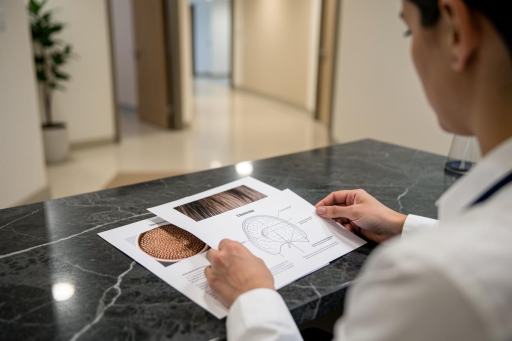
Next, a physical examination of your scalp follows. This examination assesses the extent of hair loss and identifies the most suitable donor areas. By analyzing your hair density and pattern of loss, the doctor can offer a clear diagnosis. This hair transplant evaluation process ensures that you receive the appropriate recommendations and realistic expectations about the outcome.
Being well-prepared for your hair transplant consultation can make a significant difference. Come equipped with questions about the procedure, potential outcomes, and recovery expectations. Taking an active role in your hair transplant diagnosis will empower you to make informed decisions. Prioritize these steps to enhance your experience and achieve the best possible results.
Essential Pre-Op Tests Before Hair Transplant Surgery
Essential pre-op tests before hair transplant surgery are crucial for safety. These evaluations help ensure that patients are fit for the procedure. Proper testing minimizes risks and maximizes the chances of successful outcomes.
A scalp assessment is one of the primary tests conducted. This evaluation examines the condition of your hair and scalp. Your surgeon will analyze hair density and identify viable donor areas. A thorough scalp assessment aids in creating a tailored hair transplant plan.
Blood tests before hair transplant surgery also play a significant role. These tests check for underlying medical conditions that might complicate the procedure. Common blood tests include checking hemoglobin levels and assessing overall health. Results from these tests allow your doctor to proceed with confidence.
Preparing for your hair transplant involves more than just the surgery date. Being aware of essential preoperative tests for hair transplant can help you stay informed. Discuss any concerns with your healthcare provider to ensure you are well-prepared. Taking these steps will lead to a smoother experience and better results.
How to Manage Medicines and Supplements Before Your Hair Transplant
How to manage medicines and supplements before your hair transplant is crucial for success. Proper medication management helps reduce risks during the procedure. Awareness of which medications to stop is essential for a smooth experience.
Certain medications can interfere with healing after surgery. Blood thinners, such as aspirin, must be avoided in the days leading up to your procedure. Stopping medicines before hair transplant can significantly lower the risk of excessive bleeding. Always consult your doctor for specific instructions regarding your medications.
Supplements and hair transplant also require careful consideration. Some supplements, like vitamin E and fish oil, can affect blood clotting. Discuss your current supplement regimen with your healthcare provider. They can guide you on which supplements to avoid before your surgery.
Preparing for your hair transplant involves managing your medication and supplement intake. Follow your hair transplant medication instructions closely for the best results. Communicate openly with your healthcare team for tailored advice. Taking the right steps will contribute to a successful surgery and recovery.
Why Quitting Smoking is Vital Before Hair Transplant Surgery
Why quitting smoking is vital before hair transplant surgery cannot be overstated. Smoking negatively impacts circulation and slows down healing. Improved blood flow enhances recovery and ensures better hair graft survival rates.
Plan Your Hair Transplant Consultation
Share a few details about your hair restoration goals so a clinic can better prepare for your review.
Plan Your Hair Transplant Consultation
These questions help provide context about your hair restoration history. Answer based on your own experience, or leave optional details blank if you are unsure.
Plan Your Hair Transplant Consultation
Let us know which topics you want to cover during a clinic review. You can also add specific questions about methods, recovery, or planning.
Contact information
Your information is only used to contact you and is never shared with third parties.
Your request has been received!
Thank you. Your information has been submitted for clinic review.
Studies show that smoking and hair transplant risks include complications during and after surgery. Nicotine constricts blood vessels, which can hinder nutrient supply to hair follicles. This can lead to poor results or graft failure. Stopping smoking before hair transplant significantly improves your chances of success.
Smoking cessation before hair transplant is essential for optimal recovery. Patients who quit smoking experience faster healing and fewer complications. A healthier body can better support the hair growth process. Discuss strategies for smoking cessation with your healthcare provider to ease the transition.
Taking steps to quit smoking will benefit your hair transplant journey. Aim to stop smoking at least a few weeks before your procedure. This commitment will enhance your recovery and maximize your results. Prioritize your health and engage with your medical team for support.
Top 7 Hair-Care Instructions to Follow Before Your Hair Transplant
Top 7 hair-care instructions to follow before your hair transplant are essential for success. Proper preparation can enhance graft survival and ensure optimal results. These guidelines help you get your scalp ready for the procedure.
Washing your hair with a gentle shampoo is crucial. Use a mild, sulfate-free product to cleanse the scalp. This helps remove excess oil and buildup without causing irritation. Hair care before hair transplant should prioritize a clean and healthy scalp.
Avoid using styling products like gels or sprays before surgery. These products can leave residues that may affect graft placement. Keeping your scalp free from chemicals is vital for the procedure. Scalp preparation hair transplant is easier when your hair is clean and product-free.
Scheduling a consultation with your physician is also important. Discuss any concerns and clarify the best hair transplant pre-op instructions. This ensures you are fully prepared and informed. Following these steps will empower you to take control of your hair transplant journey.
Taking care of your hair before surgery will reap benefits. Adhere to these instructions to maximize your chances of success. Engage actively with your medical team for personalized advice. Proper preparation is key to achieving your desired outcomes.
Key Takeaways
- Quitting smoking before a hair transplant is crucial as it improves recovery and graft survival rates.
- Patients should stop taking blood thinners and certain supplements before surgery to minimize risks.
- A thorough scalp assessment is necessary to evaluate hair loss and identify suitable donor areas.
- Following pre-operative hair-care instructions, such as using gentle shampoos and avoiding styling products, is vital for a successful procedure.
- Engaging in open communication with your healthcare provider can help tailor the preparation process to your individual needs.
Frequently Asked Questions
What should I expect during a hair transplant consultation?
During a hair transplant consultation, a doctor assesses your hair loss. They will discuss your medical history and evaluate your scalp. Expect a personalized treatment plan based on your needs. This is the first step in how to prepare for hair transplant.
How to prepare for hair transplant surgery effectively?
Preparing for hair transplant surgery involves several important steps. Follow hair transplant pre-op instructions provided by your doctor. This may include stopping certain medications and avoiding alcohol. Proper preparation can significantly enhance the success of your procedure.
When should I stop medications before my hair transplant?
You should stop medications that affect blood clotting several days prior. Common examples include aspirin and anti-inflammatory drugs. Consult with your healthcare provider for specific hair transplant pre-op instructions. Stopping these medications reduces the risk of complications.
Why is scalp preparation important before a hair transplant?
Scalp preparation is crucial for ensuring graft survival during surgery. A clean scalp allows for better graft placement and reduces infection risks. Follow the instructions given during your hair transplant consultation. Proper preparation leads to improved outcomes and faster recovery.
Can smoking affect my hair transplant results?
Yes, smoking can negatively impact your hair transplant results. It restricts blood flow, hindering healing after surgery. Quitting smoking before your procedure is highly recommended. This can improve your overall recovery and the success of your hair transplant.
The information provided is for educational purposes only and does not constitute medical advice. Always consult with a healthcare professional for medical guidance specific to your situation.