Quick answer
FUE and FUT are two hair transplant methods that differ in extraction techniques and recovery times. Choosing the right method depends on individual needs, hair type, and desired outcomes.
FUE vs FUT Hair Transplant: Extraction Method, Scarring, Recovery, and Who Each Suits
FUE vs FUT hair transplant methods are crucial for anyone experiencing hair loss. These techniques offer different advantages and outcomes, making them relevant for patients considering hair restoration. Selecting the right method can impact recovery time, scarring, and the overall success of the treatment.
Choosing between FUE or FUT extraction method involves understanding how each works. FUE, or Follicular Unit Extraction, extracts individual hair follicles, while FUT, or Follicular Unit Transplantation, involves removing a strip of scalp. Each method has unique characteristics, making it essential to evaluate personal needs and preferences.
Hair transplant scar comparison plays a vital role in the decision-making process. Patients concerned about visible scarring may prefer FUE due to its minimal impact on the scalp. Knowing the differences in recovery timelines and long-term results can help individuals make informed decisions for their hair restoration journey. Continue reading to discover more about these methods and find the best option for your needs.
Plan Your Hair Transplant Consultation
Share a few details about your hair restoration goals so a clinic can better prepare for your review.
Plan Your Hair Transplant Consultation
These questions help provide context about your hair restoration history. Answer based on your own experience, or leave optional details blank if you are unsure.
Plan Your Hair Transplant Consultation
Let us know which topics you want to cover during a clinic review. You can also add specific questions about methods, recovery, or planning.
Contact information
Your information is only used to contact you and is never shared with third parties.
Your request has been received!
Thank you. Your information has been submitted for clinic review.
FUE vs FUT Extraction Methods: What Sets Them Apart?
FUE vs FUT extraction methods represent two distinct approaches in hair restoration. Each technique has unique characteristics that can affect the procedure's outcome. Patients often wonder how these methods differ and which is more suitable for their needs.
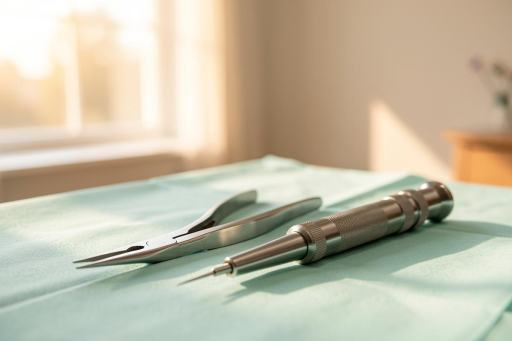
FUE, or Follicular Unit Extraction, involves removing individual hair follicles from the scalp. This technique uses a small punch tool that minimizes scarring. Patients appreciate the less invasive nature of FUE, which often leads to quicker recovery. On the other hand, FUT, or Follicular Unit Transplantation, involves excising a strip of scalp. This method can provide a larger number of grafts in one session. The hair transplant extraction methods each have their benefits, making it essential to consider your specific goals.
The FUE vs FUT differences extend to the healing process. FUE generally results in less visible scarring and a shorter recovery time. Many patients return to normal activities within a few days. In contrast, FUT may require a longer healing period due to the linear scar. Understanding the implications of each method can help patients make better-informed choices.
Selecting the right extraction method is crucial for successful hair restoration. Consider your hair loss pattern, budget, and desired results when making a decision. Consulting with a qualified surgeon can provide personalized advice on whether FUE or FUT extraction method suits you best. Explore your options to find the best path for restoring your hair.
Hair Transplant Scar Comparison: What to Expect
Hair transplant scar comparison reveals significant differences between FUE and FUT methods. The type of scarring largely depends on the technique used during the procedure. Patients must be aware of these differences when considering hair restoration options.
FUE scarring typically results in tiny, dot-like marks on the scalp. These marks are scattered and often heal quickly, making them less noticeable. Many patients appreciate the minimal impact on their appearance. Conversely, FUT creates a linear scar across the donor area. This scar can be more visible, especially with shorter hairstyles. Patients should consider these factors when deciding between techniques.
The FUE vs FUT scar visibility varies based on individual healing and hair type. Factors such as skin texture and hair color can influence how scars appear. Some individuals may find that their hair growth conceals any scarring effectively. Others may experience more pronounced scarring, particularly with the FUT method. Evaluating your hair type and lifestyle can help you choose the right approach.
Choosing the best hair restoration method involves considering scarring potential. FUE may be preferable for those concerned about visible marks. Discussing your options with a qualified surgeon can provide valuable insights. Make an informed decision based on your specific needs and desires for hair restoration.
Recovery Timeline: How Long Does FUE or FUT Take to Heal?
Recovery timeline: how long does FUE or FUT take to heal? The healing process varies significantly between these two hair transplant methods. Patients should be aware of what to expect after their procedure to plan accordingly.
FUE recovery time is generally faster than FUT healing process. Most patients experience minimal discomfort and can return to normal activities within a few days. The small puncture wounds from FUE heal quickly, often within a week. In contrast, the FUT method involves a linear incision, which may take longer to heal. Patients can expect several weeks of downtime before fully resuming their regular routines.
Hair transplant downtime can also depend on individual factors such as health and age. Younger patients often heal more quickly than older individuals. Following post-operative care instructions is crucial for a smooth recovery. Any complications can prolong the healing process, making it essential to keep in touch with your healthcare provider.
Choosing between FUE and FUT involves considering recovery times. FUE may be ideal for those looking for quicker healing. Discussing your specific needs and lifestyle with a qualified surgeon can help. Make an informed decision to ensure the best results and a smoother recovery process.
Plan Your Hair Transplant Consultation
Share a few details about your hair restoration goals so a clinic can better prepare for your review.
Plan Your Hair Transplant Consultation
These questions help provide context about your hair restoration history. Answer based on your own experience, or leave optional details blank if you are unsure.
Plan Your Hair Transplant Consultation
Let us know which topics you want to cover during a clinic review. You can also add specific questions about methods, recovery, or planning.
Contact information
Your information is only used to contact you and is never shared with third parties.
Your request has been received!
Thank you. Your information has been submitted for clinic review.
Who Should Choose FUE or FUT? Vital Factors to Consider
Who should choose FUE or FUT? Vital factors to consider include individual needs and hair loss patterns. Each method has unique strengths that can cater to specific patient profiles. Assessing your situation will help determine the best hair transplant method.
FUE or FUT suitability often hinges on hair type and density. Patients with thicker hair may benefit from the FUT method. This approach allows for a larger number of grafts in a single session. Conversely, individuals with finer hair might prefer FUE due to its minimal scarring. Evaluating hair characteristics plays a crucial role in the decision-making process.
Budget considerations are also important when choosing between FUE and FUT. FUE generally costs more due to its advanced techniques and technology. However, the benefits of less visible scarring and shorter recovery times may justify the price for some. Preferences regarding lifestyle and appearance should also factor into the choice of method.
Selecting the right technique involves considering all these factors. FUE is ideal for those seeking minimal downtime and scarring. Discuss your specific needs with a qualified surgeon to determine who is FUE or FUT best for. Making an informed decision can lead to successful hair restoration and satisfaction with results.
Top 5 Expert Tips for a Successful Hair Transplant Experience
Top 5 expert tips for a successful hair transplant experience can greatly enhance your results. Preparing well for your procedure ensures a smoother process and optimal outcomes. Taking the right steps before and after your surgery is crucial for success.
FUE aftercare plays a vital role in achieving the best results. Patients should avoid strenuous activities for at least two weeks. This helps prevent complications and supports healing. Keeping the scalp clean and moisturized is equally important. Follow your surgeon's recommendations for washing and caring for the transplanted area.
FUT preparation also requires careful planning. Patients should stop smoking and limit alcohol intake before surgery. This will improve blood flow and promote better healing. Discuss any medications you take with your surgeon. Adjusting these can lead to a more successful transplant.
Practical takeaways include following all post-operative instructions closely. Adhering to hair transplant tips from your surgeon can significantly impact the final results. Seek expert advice for FUE or FUT hair transplant to guide your journey. Make informed decisions and prioritize your health for the best possible outcome.
Key Takeaways
- FUE involves extracting individual hair follicles, resulting in minimal scarring and quicker recovery.
- FUT involves removing a strip of scalp, which can provide more grafts but may lead to a more visible linear scar.
- Recovery from FUE is generally faster, with many patients returning to normal activities within a few days.
- Patients should consider their hair type and density when choosing between FUE and FUT, as these factors influence the effectiveness of each method.
- Consulting with a qualified surgeon is essential for personalized advice and to ensure the best hair restoration results.
Frequently Asked Questions
What is the FUE vs FUT hair transplant difference?
FUE involves extracting individual hair follicles. FUT takes a strip of scalp for transplanting. Both methods have unique benefits and drawbacks. Choosing the right one depends on your needs.
How to prepare for FUE or FUT hair transplant?
Preparation includes stopping smoking and avoiding alcohol. Discuss your medications with your surgeon beforehand. Follow all pre-operative instructions for optimal outcomes. Proper preparation can improve your healing process.
When can I expect to see results from hair transplant?
Most patients notice initial hair growth within three months. Full results typically appear after six to twelve months. Hair transplant results vary based on individual healing. Be patient as your new hair develops.
What should I know about hair transplant scar comparison?
FUE usually results in small dot-like scars. FUT leaves a linear scar along the donor area. The visibility of scars can depend on hair type. Discuss scar concerns with your surgeon before the procedure.
Is FUE or FUT better for my hair type?
FUE may be better for finer hair and minimal scarring. FUT works well for thicker hair requiring more grafts. Individual hair type and density play a significant role. Consult with a surgeon to determine the best method.
The information provided is for educational purposes only and does not constitute medical advice. Always consult with a healthcare professional for medical guidance specific to your situation.