Quick answer
Assessing the donor area before a hair transplant is essential for achieving optimal results and minimizing complications. This evaluation includes measuring hair density and assessing scalp condition to guide extraction methods.
Donor Area Assessment Before a Hair Transplant: Density, Safe Extraction, and Overharvesting Risks
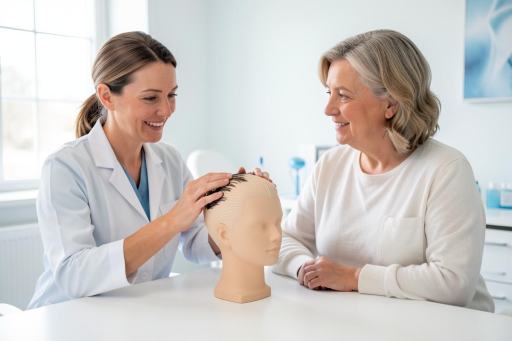
The donor area assessment before a hair transplant is crucial for success. Evaluating the hair transplant donor area ensures that patients achieve optimal results. A thorough assessment helps determine the best extraction methods and preserves the integrity of the donor site. Proper evaluation can lead to natural-looking results, minimizing the risk of complications.
Assessing the density of the donor area is vital for effective hair restoration. Hair density varies among individuals, making it essential to measure accurately. A precise assessment allows surgeons to plan the extraction process carefully, ensuring a sufficient supply of healthy hair follicles. Neglecting this step can lead to overharvesting, which may compromise the overall outcome.
Identifying the risks associated with overharvesting is equally important. Overharvesting can result in thinning hair and visible bald patches. Patients should be informed about these risks to make educated decisions. Understanding the factors that contribute to a successful hair transplant is essential for achieving lasting results. Continue reading to learn more about the steps involved in donor area assessment and how they impact your hair restoration journey.
Plan Your Hair Transplant Consultation
Share a few details about your hair restoration goals so a clinic can better prepare for your review.
Plan Your Hair Transplant Consultation
These questions help provide context about your hair restoration history. Answer based on your own experience, or leave optional details blank if you are unsure.
Plan Your Hair Transplant Consultation
Let us know which topics you want to cover during a clinic review. You can also add specific questions about methods, recovery, or planning.
Contact information
Your information is only used to contact you and is never shared with third parties.
Your request has been received!
Thank you. Your information has been submitted for clinic review.
5 Vital Steps for Hair Transplant Donor Area Assessment
Conducting a thorough donor area assessment is essential for a successful hair transplant. This process ensures the health and viability of the hair transplant donor area. Proper evaluation leads to informed decisions about extraction techniques and expected outcomes. A well-executed assessment can significantly enhance the results of your hair restoration journey.
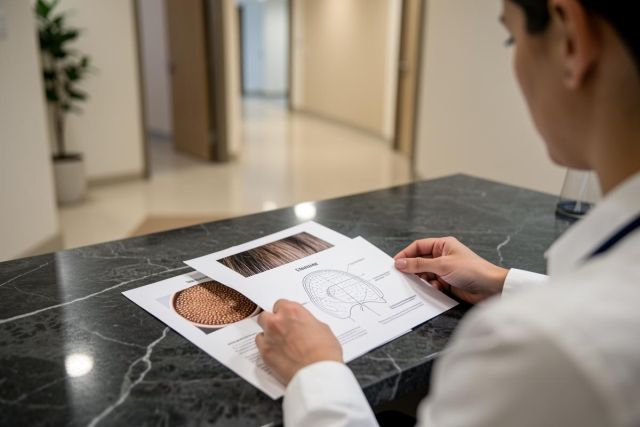
The first step involves a detailed examination of hair density. Analyzing hair density helps determine the number of follicles available for extraction. Surgeons often measure density in various sections of the donor area. This donor area evaluation establishes a baseline and guides the extraction planning process.
Next, assessing the scalp condition is crucial. A healthy scalp promotes successful grafting and healing. Factors such as scalp elasticity and skin texture play vital roles in this evaluation. Proper scalp health ensures that the donor area remains intact during extraction and minimizes complications.
The third step focuses on mapping the donor area. A precise mapping process identifies optimal extraction zones. This step helps avoid overharvesting and preserves critical hair follicles. Careful planning during the pre-transplant assessment phases leads to better overall results.
After completing these evaluations, patients should discuss their options with the surgeon. Understanding the details of the donor area assessment can clarify the expected outcomes. This proactive approach ensures that patients make informed choices throughout their hair transplant journey. Engaging with your surgeon about these vital steps can enhance your confidence in the procedure.
How Hair Density Determines Your Transplant Success
Hair density plays a crucial role in determining your transplant success. The amount of hair per square inch in the donor area affects the overall outcome. Higher donor area density often leads to a fuller appearance after transplantation. Accurate hair density assessment is vital for effective planning.
Assessing hair density provides valuable insights into the available follicles. Surgeons often evaluate donor area density before extraction. This evaluation helps to ensure a sufficient supply of healthy hair follicles. Patients with denser hair often achieve better coverage and more natural results.
The impact of hair density extends beyond aesthetics. A denser donor area minimizes the risk of overharvesting. When the donor area has adequate density, it allows for a more extensive grafting process. This reduces the likelihood of noticeable thinning in the donor site after the procedure.
Consulting with your surgeon about hair density is essential. Discussing your specific hair density and how it affects your transplant can clarify the options available. A thorough hair density assessment can guide you toward achieving your desired results. Engage with your healthcare provider to ensure the best approach for your hair restoration journey.
Safe Extraction Techniques to Protect the Donor Area
Safe extraction techniques to protect the donor area are essential for successful hair transplants. These methods help preserve the integrity of the scalp while ensuring a sufficient supply of hair follicles. Proper techniques minimize discomfort and promote quicker healing, leading to optimal results. Selecting the right approach is vital for maintaining a healthy hair transplant donor area.
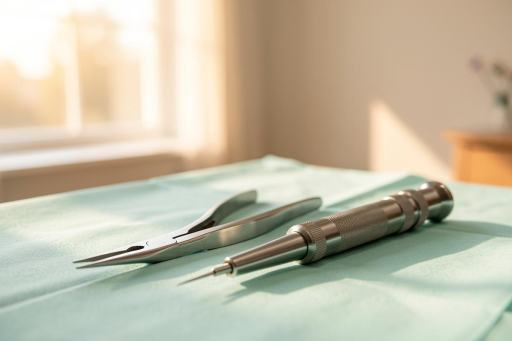
FUE extraction is one of the most popular safe extraction methods. This minimally invasive hair transplant technique involves removing individual hair follicles. Surgeons use specialized tools to ensure precision and reduce trauma to the surrounding tissue. This careful approach helps minimize scarring and promotes faster recovery in the donor area.
Another effective technique involves the use of advanced imaging technology. Surgeons can visualize the hair follicles and surrounding structures more clearly. This enhanced view allows for careful planning and extraction, ensuring minimal damage to the donor area. By employing these innovative strategies, patients can enjoy better outcomes and a more comfortable experience.
Consulting with your surgeon about safe extraction methods is crucial. Discussing the options available can help you feel more confident in your procedure. A thorough understanding of the techniques used can enhance your overall experience. Prioritizing the health of your donor area will significantly impact your hair restoration journey. Reach out to your healthcare provider for more information on safe extraction practices.
Plan Your Hair Transplant Consultation
Share a few details about your hair restoration goals so a clinic can better prepare for your review.
Plan Your Hair Transplant Consultation
These questions help provide context about your hair restoration history. Answer based on your own experience, or leave optional details blank if you are unsure.
Plan Your Hair Transplant Consultation
Let us know which topics you want to cover during a clinic review. You can also add specific questions about methods, recovery, or planning.
Contact information
Your information is only used to contact you and is never shared with third parties.
Your request has been received!
Thank you. Your information has been submitted for clinic review.
Top Warning Signs of Overharvesting in Hair Transplants
Top warning signs of overharvesting in hair transplants are crucial to recognize. Overharvesting occurs when too many hair follicles are removed from the donor area. This practice can lead to visible thinning and long-term damage. Identifying these signs early can help prevent serious hair transplant complications.
One common sign of overharvesting is donor area thinning. Patients may notice patches of reduced hair density where follicles were extracted. This thinning can become more pronounced over time, leading to an uneven appearance. Monitoring the donor area closely after the procedure is essential for catching these issues early.
Another warning sign involves excessive scarring in the donor area. If scars appear larger or more prominent than expected, it may indicate overharvesting. Scarring can hinder future hair restoration options and impact self-esteem. Consulting with your surgeon about the condition of your donor area is vital for addressing these concerns.
Taking proactive measures can help mitigate the risks of overharvesting. Discuss your concerns with your healthcare provider before the procedure. A thorough evaluation of your donor area can lead to better planning and extraction methods. Prioritizing the health of your donor area will improve your overall hair restoration experience. Engage with your surgeon to learn more about how to avoid overharvesting risks.
Proven Strategies to Minimize Donor Area Scarring
Proven strategies to minimize donor area scarring are essential for optimal results. Effective scar prevention during hair transplants can significantly enhance recovery. Patients must prioritize techniques that reduce visible scars after the procedure. Implementing these strategies helps maintain a natural appearance in the donor area.
Choosing the right extraction method plays a critical role in minimizing hair transplant scars. FUE extraction is known for its minimal scarring compared to traditional methods. This technique allows for removing individual follicles, leading to smaller incision sites. Smaller incisions often heal better and result in less noticeable scars.
Post-transplant healing is equally important for scar prevention. Following your surgeon's aftercare instructions can promote optimal recovery. Keeping the donor area clean and moisturized aids in healing. Additionally, avoiding sun exposure during the initial healing phase protects the scalp from potential damage.
Consulting with your surgeon about scar prevention strategies is vital. Discussing available options and techniques can empower you during your recovery. Prioritizing donor area scarring management will enhance your satisfaction with the results. Engaging in proactive measures will contribute to a smoother healing process and better aesthetic outcomes.
Key Takeaways
- A thorough donor area assessment is crucial for successful hair transplants.
- Measuring hair density helps determine the number of follicles available for extraction.
- Healthy scalp condition is vital for successful grafting and healing after the procedure.
- Overharvesting can lead to thinning hair and visible bald patches, making it important to discuss risks with your surgeon.
- Choosing safe extraction techniques and following post-transplant care instructions can minimize scarring and promote better healing.
Frequently Asked Questions
What is the hair transplant donor area?
The hair transplant donor area is where follicles are harvested. This region typically contains healthy hair. A well-assessed donor area ensures better transplant outcomes.
How is donor area assessment performed before a transplant?
Donor area assessment involves measuring hair density and scalp condition. Surgeons evaluate the health of the follicles. This process helps determine the best extraction methods.
What are the risks of overharvesting hair transplants?
Overharvesting hair transplants can lead to noticeable thinning. It may also cause scarring and long-term damage. Patients should discuss these risks with their surgeon.
How can I minimize donor area scarring after surgery?
Minimizing donor area scarring involves choosing the right extraction method. Following post-transplant care instructions is also crucial. Keeping the area clean promotes better healing.
When should I see signs of recovery in the donor area?
Signs of recovery in the donor area typically appear within weeks. Expect redness and minor swelling initially. Full healing may take several months, depending on individual cases.
The information provided is for educational purposes only and does not constitute medical advice. Always consult with a healthcare professional for medical guidance specific to your situation.