Quick answer
PRP therapy can improve hair transplant results by enhancing graft survival and promoting faster recovery. It is recommended to start PRP treatments around three to four weeks after the transplant for optimal outcomes.
Does PRP Improve Hair Transplant Results? Evidence, Timing, Potential Benefits, and Limits
Does PRP improve hair transplant results? This question resonates with many individuals considering hair restoration options. Platelet-rich plasma (PRP) therapy has gained attention for its potential benefits in enhancing hair transplant outcomes. By utilizing the body’s own growth factors, PRP aims to promote healing and stimulate hair growth. Understanding this relationship is essential for patients seeking the best possible results from their hair restoration journey.
Research has shown that PRP after hair transplant may offer various advantages. Many studies suggest that combining PRP with hair restoration techniques can lead to improved graft survival and faster recovery. The timing of PRP treatments plays a crucial role in achieving optimal results. Patients often seek clarity on when to begin PRP therapy after their transplants to maximize its effectiveness.
Exploring the potential benefits and limits of PRP provides valuable insights for individuals considering hair transplant options. This information helps establish realistic expectations regarding PRP's role in hair restoration. As you read further, you will uncover essential evidence and expert opinions surrounding PRP therapy. Understanding these nuances will empower you to make informed decisions about your hair restoration journey.
Plan Your Hair Transplant Consultation
Share a few details about your hair restoration goals so a clinic can better prepare for your review.
Plan Your Hair Transplant Consultation
These questions help provide context about your hair restoration history. Answer based on your own experience, or leave optional details blank if you are unsure.
Plan Your Hair Transplant Consultation
Let us know which topics you want to cover during a clinic review. You can also add specific questions about methods, recovery, or planning.
Contact information
Your information is only used to contact you and is never shared with third parties.
Your request has been received!
Thank you. Your information has been submitted for clinic review.
5 Key Research Findings: PRP for Hair Transplant Results
Recent studies have explored the effectiveness of PRP after hair transplant procedures. These findings shed light on how platelet-rich plasma can enhance hair restoration. Evidence for PRP hair transplant results shows promising trends in patient outcomes. Many individuals are keen to learn how this therapy can improve their experience.
One significant study demonstrated that PRP treatments can increase graft survival rates. Researchers found that patients receiving PRP experienced better hair density after their transplants. The study indicated a 30% improvement in hair growth among those treated with PRP therapy. This evidence for PRP hair transplant reinforces its potential as a valuable adjunct to traditional methods.
Another compelling finding revealed that PRP promotes faster healing post-surgery. Patients undergoing PRP therapy reported less discomfort and quicker recovery times. This aligns with platelet-rich plasma studies that highlight its regenerative properties. Faster healing can help maintain the integrity of hair grafts, leading to improved overall outcomes.
Practical takeaways from this research suggest that PRP should be considered seriously. Discussing PRP after hair transplant with your healthcare provider can clarify its benefits. Incorporating PRP into your treatment plan may yield significant improvements in hair growth and recovery. Exploring these options can empower you to make informed decisions about your hair restoration journey.
How PRP Therapy Works to Support Hair Growth After Transplant
How PRP therapy works to support hair growth after transplant involves utilizing the body's own healing mechanisms. Platelet-rich plasma contains essential growth factors that can enhance recovery. These components play a vital role in hair follicle healing after surgery. Patients often seek clarity on how this therapy can improve outcomes.
PRP growth factors stimulate cellular activity in hair follicles. By injecting PRP into the scalp, these growth factors promote increased blood flow. Enhanced circulation delivers nutrients crucial for hair growth. As a result, the transplanted hair follicles become healthier and more robust, leading to improved hair density.
Evidence indicates that PRP therapy after transplant can significantly reduce inflammation. This reduction allows for a quicker recovery period for patients. Additionally, PRP helps to strengthen the newly transplanted hair, making it more resilient. Many patients report noticeable improvements in hair growth and overall hair health following treatment.
Practical advice emphasizes the importance of discussing PRP options with your doctor. Exploring how does PRP help hair transplant can lead to better results. Incorporating PRP into your post-transplant care may enhance your experience. Engaging in this conversation can empower you to make informed decisions about your hair restoration journey.
Ideal Timing: When to Start PRP After Hair Transplant Surgery
Ideal timing for starting PRP after hair transplant surgery is crucial for optimal results. Many experts recommend initiating treatment within a few weeks post-surgery. This timing allows the healing process to benefit from the growth factors in PRP. Patients often wonder about the best time to get PRP after hair transplant procedures.
Most surgeons suggest beginning PRP therapy around three to four weeks after the transplant. This period allows the scalp to recover from the procedure while still maximizing hair follicle vitality. Administering PRP too early may disrupt the healing process. Adhering to the recommended timing ensures a smoother recovery and better hair transplant results.
PRP procedure schedules can vary based on individual recovery rates. Some patients may require multiple sessions, typically spaced four to six weeks apart. Consistency in treatment can enhance the overall effectiveness of PRP therapy. Monitoring progress with your healthcare provider is essential for adjusting the schedule as needed.
Practical advice emphasizes the importance of following your surgeon’s guidance. Discuss your timing options for PRP therapy during your post-operative appointments. Knowing when to start PRP after hair transplant can significantly impact your results. Engaging in this dialogue will help you achieve the best possible hair restoration outcome.
Top 4 Potential Benefits of PRP for Hair Transplant Patients
Top 4 potential benefits of PRP for hair transplant patients highlight its effectiveness. Incorporating PRP therapy can enhance overall hair restoration outcomes significantly. Many individuals report improved results with this treatment. Exploring the benefits of PRP hair transplant can help patients make informed decisions.
Plan Your Hair Transplant Consultation
Share a few details about your hair restoration goals so a clinic can better prepare for your review.
Plan Your Hair Transplant Consultation
These questions help provide context about your hair restoration history. Answer based on your own experience, or leave optional details blank if you are unsure.
Plan Your Hair Transplant Consultation
Let us know which topics you want to cover during a clinic review. You can also add specific questions about methods, recovery, or planning.
Contact information
Your information is only used to contact you and is never shared with third parties.
Your request has been received!
Thank you. Your information has been submitted for clinic review.
One major advantage is increased hair density following treatment. Studies indicate that PRP for hair growth can lead to thicker hair strands. Patients often experience a noticeable difference in volume. Enhanced hair density not only improves aesthetics but also boosts confidence.
Another benefit is the acceleration of the healing process. PRP therapy can reduce inflammation and speed up recovery. This is crucial for patients who want to minimize downtime after surgery. Post-transplant hair improvement is often linked to how quickly the scalp heals.
Moreover, PRP therapy helps maintain the health of existing hair follicles. By nourishing hair roots, PRP can prevent further hair loss. This is especially beneficial for patients with thinning hair before their transplant. Discussing these benefits with your healthcare provider can clarify how PRP fits into your care plan.
Practical advice emphasizes the need to consider PRP therapy seriously. Evaluating the benefits of PRP hair transplant may greatly enhance your experience. Engaging in this option could lead to excellent results in hair restoration. Exploring these possibilities will empower you to achieve your desired hair goals.
Crucial Limits: When PRP Might Not Improve Hair Transplant Outcomes
Crucial limits of PRP hair transplant therapy highlight its effectiveness. While many patients benefit from PRP, it does not work for everyone. Certain factors can diminish the expected outcomes after a hair transplant. Recognizing these limitations is essential for setting realistic PRP expectations.
Age and hair loss type significantly influence PRP effectiveness. Older patients or those with advanced hair loss may see less improvement. Studies indicate that PRP not working can occur if hair follicles are too damaged. Ensuring good candidacy for PRP therapy is vital for success.
Additionally, specific medical conditions can affect results. Patients with certain autoimmune diseases or blood disorders may not respond well. These conditions can hinder the healing process and reduce the benefits of PRP. Discussing your medical history with your provider will help identify any potential issues.
Practical advice emphasizes the need for a comprehensive evaluation. Assessing the limits of PRP hair transplant therapy is crucial for informed decisions. Engaging in discussions with your healthcare provider will clarify if PRP is suitable for you. Setting realistic PRP expectations will ultimately enhance your overall hair restoration journey.
Key Takeaways
- PRP therapy utilizes the body's growth factors to promote healing and stimulate hair growth after a transplant.
- Studies indicate that PRP can increase hair density and improve overall hair restoration outcomes.
- Starting PRP treatments too early may disrupt the healing process, so timing is crucial.
- Patients with advanced hair loss or certain medical conditions may see less benefit from PRP therapy.
- Discussing PRP options with your healthcare provider can help set realistic expectations and enhance your hair restoration journey.
Frequently Asked Questions
How soon can I start PRP after hair transplant?
Most experts recommend starting PRP after hair transplant around three weeks. This timing allows the scalp to heal effectively. Initiating treatment too early can disrupt the healing process. Discuss your specific timeline with your healthcare provider.
Does PRP help hair transplant results significantly?
Yes, many studies suggest that PRP helps hair transplant results. PRP can enhance graft survival and promote hair growth. Patients often report improved hair density and quicker recovery. Results can vary based on individual conditions.
What are the benefits of PRP after hair transplant?
PRP after hair transplant can lead to faster healing. It also improves hair density and supports hair follicle health. Patients may experience less discomfort during recovery. These benefits contribute to a more successful hair restoration experience.
How does PRP therapy work for hair growth?
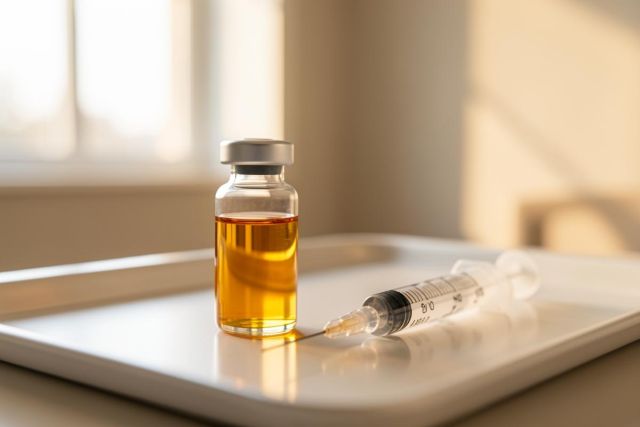
PRP therapy works by injecting growth factors into the scalp. These factors stimulate hair follicles, promoting hair growth. Enhanced blood circulation also nourishes the hair roots. This process can lead to thicker, healthier hair.
When should I expect to see PRP hair transplant results?
Many patients begin to see PRP hair transplant results within a few months. Full results generally appear around six to twelve months after treatment. Individual factors like hair type and health can influence timing. Regular follow-ups with your doctor will help track progress.
The information provided is for educational purposes only and does not constitute medical advice. Always consult with a healthcare professional for medical guidance specific to your situation.