Quick answer
DHI and FUE are two different hair transplant techniques that vary in implantation methods and session sizes. Choosing between them depends on individual needs, desired outcomes, and recovery preferences.
DHI vs FUE Hair Transplant: What Actually Differs in Implantation, Shaving, Session Size, and Cost?
DHI vs FUE hair transplant techniques are crucial considerations for those facing hair loss. Both methods offer unique advantages and can lead to successful hair restoration. Patients seeking solutions for thinning hair must evaluate their options carefully. Making an informed choice can lead to improved confidence and self-esteem.
The difference between DHI and FUE lies in various factors such as implantation methods and session sizes. DHI allows for more precise placement of hair follicles, while FUE is known for its efficiency. Understanding these variations is essential for anyone considering hair restoration. Evaluating the pros and cons of each method can help guide your decision.
Comparing hair transplant costs is another vital element in the decision-making process. DHI and FUE procedures may vary in expense based on factors like graft numbers and clinic reputation. Patients should consider both the financial and emotional investments when choosing between DHI and FUE. Gaining a deeper understanding of these techniques will assist you in making the best choice for your hair restoration journey.
Plan Your Hair Transplant Consultation
Share a few details about your hair restoration goals so a clinic can better prepare for your review.
Plan Your Hair Transplant Consultation
These questions help provide context about your hair restoration history. Answer based on your own experience, or leave optional details blank if you are unsure.
Plan Your Hair Transplant Consultation
Let us know which topics you want to cover during a clinic review. You can also add specific questions about methods, recovery, or planning.
Contact information
Your information is only used to contact you and is never shared with third parties.
Your request has been received!
Thank you. Your information has been submitted for clinic review.
5 Key Implantation Differences: DHI vs FUE Hair Transplant
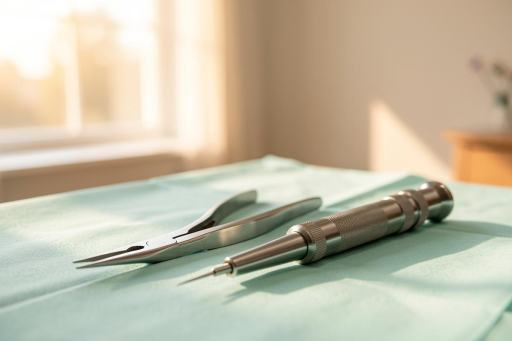
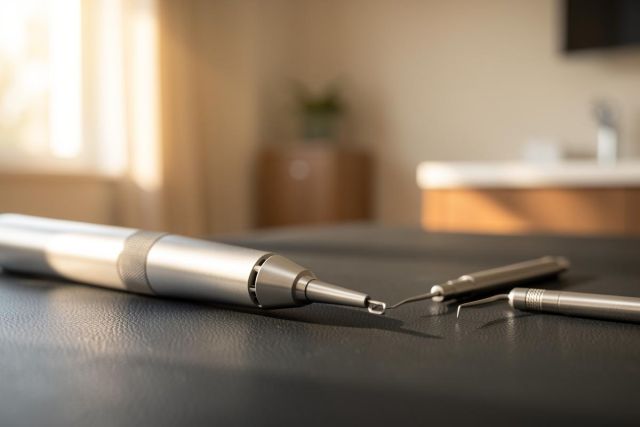
DHI vs FUE hair transplant techniques differ significantly in implantation methods. DHI focuses on direct hair follicle placement, allowing for precise positioning. This method uses a specialized pen-like tool, which minimizes trauma to the scalp. Patients who prioritize natural-looking results often prefer this advanced implantation method.
FUE, or Follicular Unit Extraction, offers a different approach to hair follicle placement. In this technique, individual hair follicles are extracted and then implanted in the thinning areas. This method is often faster and may involve larger session sizes compared to DHI. Many patients appreciate the efficiency of FUE for larger coverage areas.
The difference between DHI and FUE can impact recovery times and overall outcomes. DHI tends to allow for quicker healing due to its less invasive nature. Patients often report less discomfort and faster recovery with DHI. FUE, while effective, may have a longer recovery due to the larger number of grafts involved.
Choosing between DHI or FUE implantation requires careful consideration of individual needs. Evaluate factors like desired outcomes, recovery times, and session sizes. Consulting with a qualified specialist can help clarify the best option for your specific case. Making an informed decision can enhance your hair restoration experience and improve results.
Must-Know Shaving Requirements for DHI and FUE Procedures
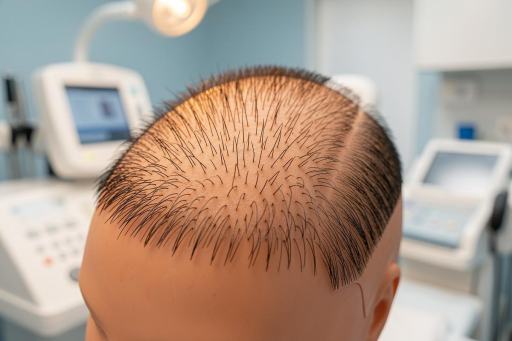
DHI shaving requirements differ significantly from those of FUE procedures. DHI often requires minimal shaving, focusing on specific areas for implantation. This method allows patients to retain more of their existing hair, which is appealing to many. In contrast, FUE shaving practices can vary based on the extent of hair loss.
FUE shaving typically involves a larger area of the scalp. Patients may need to shave the donor area completely to facilitate follicle extraction. This process can lead to a more noticeable appearance during recovery. Many individuals find this approach less desirable, especially if they prefer a discreet recovery period.
No-shave hair transplant options are becoming increasingly popular, particularly with DHI techniques. These options allow patients to avoid shaving altogether while still achieving great results. This is often considered the best option for minimal shaving, appealing to those who value privacy. Patients should discuss these alternatives with their surgeons to determine suitability.
Considering the shaving requirements for DHI and FUE can greatly influence your decision. Evaluate how much shaving you are comfortable with before undergoing the procedure. Consulting with a hair restoration specialist will provide clarity on what suits your needs best. Making an informed choice will help ensure a smoother experience and better results.
Comparing Session Size: DHI vs FUE for Larger Coverage
Comparing session size: DHI vs FUE for larger coverage reveals key differences. DHI session size usually accommodates fewer grafts in a single session. This technique often focuses on precision, allowing for meticulous placement of each hair follicle. As a result, patients may need multiple sessions for extensive coverage.
FUE session size tends to be larger, often extracting more grafts at once. This method can be more efficient for patients with significant hair loss. Larger sessions may reduce the overall number of visits needed for full results. However, this approach might lead to longer recovery times due to the increased number of grafts involved.
The number of grafts DHI vs FUE can significantly impact your decision. DHI may take longer for full results but offers a natural look. On the other hand, FUE can provide quicker coverage but may sacrifice some precision. Weighing these factors is essential for achieving desired outcomes in hair restoration.
Evaluating session sizes for DHI and FUE will guide your choice. Consider how many grafts you need and how quickly you want results. Consulting with a hair transplant specialist will help clarify which method suits your needs best. Making an informed decision will enhance your hair restoration experience and satisfaction.
Plan Your Hair Transplant Consultation
Share a few details about your hair restoration goals so a clinic can better prepare for your review.
Plan Your Hair Transplant Consultation
These questions help provide context about your hair restoration history. Answer based on your own experience, or leave optional details blank if you are unsure.
Plan Your Hair Transplant Consultation
Let us know which topics you want to cover during a clinic review. You can also add specific questions about methods, recovery, or planning.
Contact information
Your information is only used to contact you and is never shared with third parties.
Your request has been received!
Thank you. Your information has been submitted for clinic review.
Hair Transplant Cost Breakdown: DHI or FUE Which Is More Affordable?
Hair transplant cost breakdown: DHI or FUE which is more affordable? The costs associated with each method can vary significantly. DHI hair transplant cost is often higher due to its advanced techniques. Patients should consider these prices when evaluating their options for hair restoration.
FUE hair transplant price tends to be lower on average. This method is widely used and can accommodate larger sessions. While it might be more budget-friendly, FUE may require more extensive aftercare. Patients should weigh the initial costs against potential long-term benefits when comparing DHI and FUE.
The cost difference between DHI and FUE can also depend on the clinic’s reputation. Experienced practitioners may charge more, but they often deliver better results. Additionally, factors like the number of grafts needed and geographic location can influence pricing. Knowing these details will help in selecting the right option for your financial situation.
Evaluating the affordability of hair transplant options is crucial for many patients. Consider both the upfront costs and potential future expenses. Consulting with a qualified specialist will provide clarity on what fits your budget best. Taking the time to analyze costs can lead to a more satisfying hair restoration journey.
Real Results: Success Rates and Recovery Differences in DHI vs FUE
Real results: success rates and recovery differences in DHI vs FUE are significant factors for patients. Both techniques aim to restore hair but have different outcomes. DHI vs FUE results vary based on individual needs and hair loss severity. Analyzing these differences can help in making informed choices.
The success rate DHI and FUE can differ based on technique and expertise. DHI often yields higher success rates due to its precision in hair follicle placement. This method promotes more natural-looking results, appealing to many patients. On the other hand, FUE may also provide satisfactory outcomes but can occasionally lead to uneven results if not performed by skilled practitioners.
Hair transplant recovery times are another important consideration. DHI typically allows for quicker recovery due to its minimally invasive nature. Patients often experience less discomfort and fewer complications. FUE recovery may take longer, especially with larger grafts, but still shows favorable results for many individuals.
Evaluating success rates and recovery differences will guide your decision. Consider how important quick recovery and natural results are to you. Discussing these factors with a hair restoration specialist will provide personalized insights. Making an educated decision will enhance your chances of achieving optimal hair restoration results.
Key Takeaways
- DHI allows for precise hair follicle placement, minimizing scalp trauma and often leading to quicker recovery.
- FUE is known for its efficiency and can cover larger areas, but may involve longer recovery times due to more grafts.
- DHI typically requires minimal shaving, while FUE may necessitate shaving a larger area of the scalp.
- Costs for DHI are generally higher due to advanced techniques, while FUE may be more budget-friendly but could require more extensive aftercare.
- Consulting with a hair restoration specialist is crucial for evaluating which method best suits your specific needs and financial situation.
Frequently Asked Questions
What is the difference between DHI and FUE hair transplant?
DHI and FUE hair transplant techniques differ in follicle placement. DHI uses a pen-like tool for precise implantation. FUE extracts hair follicles before placing them in thinning areas. Each method has unique advantages and potential outcomes.
How to choose between DHI or FUE for hair restoration?
Consider your hair loss severity when choosing DHI or FUE. DHI offers precise placement and may require fewer sessions. FUE is often faster and can cover larger areas. Consult with a specialist to evaluate your specific needs.
When can I see results from DHI vs FUE hair transplant?
Results from DHI vs FUE hair transplant can vary. DHI typically shows quicker hair growth due to its technique. FUE results may take longer to become visible. Expect full results around 6 to 12 months post-procedure.
Is recovery time different for DHI and FUE procedures?
Yes, recovery time can differ between DHI and FUE. DHI usually allows for quicker healing and less discomfort. FUE may involve longer recovery due to the number of grafts. Discuss recovery expectations with your hair transplant specialist.
Can both DHI and FUE techniques be used on the same patient?
Yes, both DHI and FUE techniques can be combined. This approach may optimize results depending on individual needs. A professional can recommend a personalized plan for you. Evaluate your options with a qualified hair restoration expert.
The information provided is for educational purposes only and does not constitute medical advice. Always consult with a healthcare professional for medical guidance specific to your situation.