Quick answer
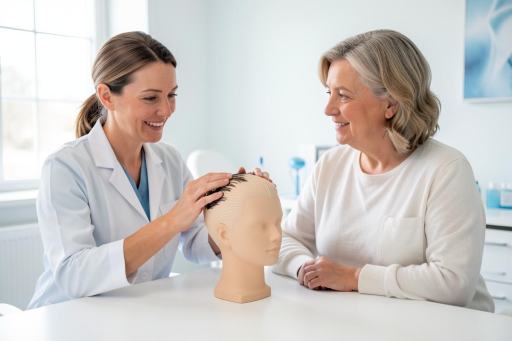
To determine if you are a good candidate for a hair transplant, consider factors such as age, health conditions, and donor hair density. Consulting with a qualified professional can help you assess your suitability for the procedure.
Am I a Good Candidate for a Hair Transplant? Hair-Loss Cause, Age, Donor Density, and Expectations
Hair transplant candidacy is a crucial topic for individuals facing hair loss. Many people seek solutions to restore their hair and regain confidence. Evaluating whether you are a good candidate for a hair transplant involves several factors, including age, health conditions, and donor hair density. Understanding these elements helps patients make informed decisions about their hair restoration journey.
Identifying the best age for a hair transplant is essential for optimal results. Younger patients may experience ongoing hair loss, making timing an important consideration. A thorough evaluation of your hair-loss cause also plays a vital role in determining candidacy. Knowing how your unique situation affects hair restoration can guide you toward the right choices.
Medical factors can also impact your eligibility for a hair transplant. Conditions such as alopecia or specific medications may influence the procedure's success. Considering these aspects ensures that every patient can approach their hair restoration journey with realistic expectations. Continue reading to learn more about what makes someone an ideal candidate for a hair transplant.
Plan Your Hair Transplant Consultation
Share a few details about your hair restoration goals so a clinic can better prepare for your review.
Plan Your Hair Transplant Consultation
These questions help provide context about your hair restoration history. Answer based on your own experience, or leave optional details blank if you are unsure.
Plan Your Hair Transplant Consultation
Let us know which topics you want to cover during a clinic review. You can also add specific questions about methods, recovery, or planning.
Contact information
Your information is only used to contact you and is never shared with third parties.
Your request has been received!
Thank you. Your information has been submitted for clinic review.
Top 5 Hair-Loss Causes That Affect Hair Transplant Success
Hair-loss causes significantly influence hair transplant success. Identifying these causes is crucial for anyone considering this procedure. Factors such as genetics, hormonal changes, and medical conditions play vital roles in determining a patient's candidacy. Assessing your unique hair-loss cause helps you determine if you are a suitable hair transplant candidate.
Genetic hair loss is one of the leading reasons for thinning hair. This condition, also known as androgenetic alopecia, affects both men and women. It typically results in a receding hairline or thinning at the crown. Understanding your family history can provide insight into whether you may experience similar hair loss patterns.
Hormonal changes can also affect hair loss significantly. Conditions like thyroid disorders or hormonal imbalances disrupt the hair growth cycle. These issues may lead to excessive shedding or thinning hair. Addressing underlying medical concerns is essential before considering a hair transplant.
Finally, lifestyle factors can contribute to hair loss as well. Stress, poor nutrition, and certain medications may exacerbate thinning hair. Evaluating these aspects can provide a clearer picture of your hair-loss cause. If you suspect you might be a good candidate for a hair transplant, consult with a professional to explore your options.
What Is the Best Age for a Hair Transplant? Age Guidelines Explained
Determining the best age for a hair transplant is vital for success. Generally, individuals in their late 20s to early 30s are ideal candidates. This age range often provides a balance between stable hair loss and sufficient donor hair. Evaluating your hair restoration age helps in making informed decisions.
Younger patients may experience ongoing hair loss, complicating the process. For instance, someone in their early 20s may still have fluctuating hair loss patterns. Doctors often recommend waiting until hair loss stabilizes before proceeding. This approach increases the likelihood of natural-looking results and long-term satisfaction.
Conversely, older individuals, typically in their 50s or 60s, often have more predictable hair loss. At this age, patients can assess their hair loss patterns more accurately. A well-defined hairline can be established, offering a clear target for restoration. This predictability can make older candidates excellent choices for hair transplant procedures.
Before making a decision, consider personal factors that influence hair restoration. Factors like family history and lifestyle should also be evaluated. If you believe you are a suitable hair transplant candidate, consulting with a qualified professional is essential. They can guide you on the best age for a hair transplant based on your unique situation.
How Donor Hair Density Determines Your Hair Transplant Results
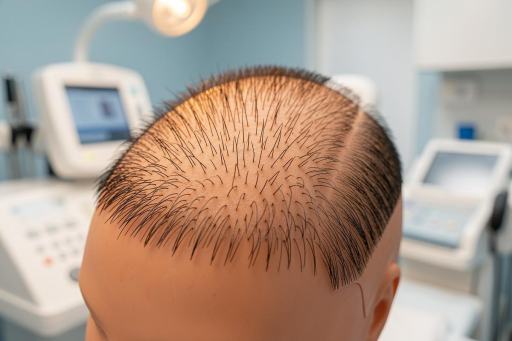
Donor hair density significantly influences hair transplant results. This density refers to the number of hair follicles available in the donor area. A higher donor hair density typically allows for more effective grafting. Evaluating your donor area assessment is essential in determining your candidacy.
Candidates with thick, closely spaced hair follicles often achieve better outcomes. For instance, individuals with dense hair can cover larger areas more effectively. This density allows surgeons to create a fuller appearance while minimizing visible thinning. Conversely, lower donor hair density may result in less satisfactory results.
The health of the donor hair also impacts the overall success of the transplant. Healthy follicles are more likely to thrive in their new location. Patients with healthier donor hair may experience better growth after the procedure. Consulting with a specialist can help clarify whether you are a good candidate based on your donor hair density.
Evaluating your donor area assessment will provide valuable insights. Knowledge of your density can help set realistic expectations for your hair restoration journey. If you have concerns about your donor hair density, reaching out to a qualified professional is vital. They can guide you on the next steps and offer personalized advice.
Plan Your Hair Transplant Consultation
Share a few details about your hair restoration goals so a clinic can better prepare for your review.
Plan Your Hair Transplant Consultation
These questions help provide context about your hair restoration history. Answer based on your own experience, or leave optional details blank if you are unsure.
Plan Your Hair Transplant Consultation
Let us know which topics you want to cover during a clinic review. You can also add specific questions about methods, recovery, or planning.
Contact information
Your information is only used to contact you and is never shared with third parties.
Your request has been received!
Thank you. Your information has been submitted for clinic review.
Setting Realistic Hair Transplant Expectations: What Results Can You Expect?
Setting realistic hair transplant expectations is crucial for success. Patients should have clear insights into what results they can anticipate. This process involves understanding factors like hairline design and individual hair characteristics. Knowing these elements helps shape your hair restoration goals effectively.
Realistic results depend on various aspects, including hair density and quality. For example, individuals with thicker hair may achieve fuller-looking results. Conversely, those with finer hair might notice less density after the procedure. Discussing your hair type and transplant options with a specialist is vital to align expectations.
The timeline for visible results also plays a significant role in patient satisfaction. Typically, patients may notice initial growth within a few months. However, full results often take up to a year to materialize. Patience is essential as hair gradually thickens and fills in during this period.
Consider setting achievable hair restoration goals based on your unique situation. Consulting with a qualified professional can help clarify these expectations. If you are contemplating a hair transplant, ensure you have realistic hair transplant expectations. This approach will guide you toward a successful outcome and greater satisfaction.
7 Medical Factors That May Prevent Hair Transplant Eligibility
Seven medical factors may prevent hair transplant eligibility for some individuals. Certain health conditions can significantly influence the success of the procedure. Assessing these medical conditions and hair loss patterns is essential for anyone considering a transplant. Knowing your health status helps determine if you are suitable for a hair transplant.
Chronic conditions such as diabetes and autoimmune disorders can complicate recovery. These health issues may impede healing and affect hair growth. Individuals with these medical conditions should discuss their histories with a specialist. This evaluation helps identify potential risks related to hair transplant eligibility.
Medications also play a crucial role in determining candidacy. Certain drugs can cause hair thinning or interfere with hair growth. For example, blood thinners and some antidepressants may affect results. It is essential to inform your doctor about any medications you are taking to assess their impact.
Consulting with a healthcare professional is the best way to evaluate your situation. They can help identify any health factors that may affect your hair transplant eligibility. If you have concerns about your medical history, it is vital to seek professional advice. Taking these steps ensures you make informed decisions about your hair restoration journey.
Key Takeaways
- Candidates typically range from their late 20s to early 30s for optimal hair transplant results.
- Stable hair loss patterns are crucial before considering a hair transplant to ensure successful outcomes.
- Donor hair density significantly affects the success of a hair transplant, with higher density leading to better results.
- Medical conditions like diabetes or autoimmune disorders may complicate hair transplant eligibility and recovery.
- Lifestyle factors such as stress and nutrition can impact hair loss and should be discussed with a healthcare professional.
Frequently Asked Questions
What makes someone a suitable hair transplant candidate?
A suitable hair transplant candidate typically has stable hair loss. Candidates should also have sufficient donor hair density. Overall health plays a crucial role in eligibility. Consulting with a specialist helps determine suitability.
How can I determine the best age for a hair transplant?
The best age for a hair transplant varies by individual. Generally, candidates between 30 and 50 see optimal results. Younger patients may face ongoing hair loss issues. Discussing age-related factors with your doctor is essential.
When should I consider a hair transplant procedure?
Consider a hair transplant when hair loss stabilizes. Waiting until patterns are clear can improve results. A consultation can help assess your specific situation. Personal health factors also influence the timing of the procedure.
Why is donor hair density important for transplant success?
Donor hair density is crucial for achieving natural-looking results. Higher density allows for better coverage of thinning areas. Patients with lower density may need to manage expectations. A thorough assessment helps determine optimal donor health.
Can lifestyle factors affect hair transplant eligibility?
Yes, lifestyle factors significantly impact hair transplant eligibility. Stress and poor nutrition can exacerbate hair loss. Maintaining a healthy lifestyle supports overall hair health. Discussing these factors with your doctor is advisable.
The information provided is for educational purposes only and does not constitute medical advice. Always consult with a healthcare professional for medical guidance specific to your situation.