Quick answer
After gum contouring, it is important to eat soft foods and practice gentle brushing techniques to promote healing. Staying hydrated and monitoring for any concerning symptoms are also crucial for a smooth recovery.
What to Eat and How to Brush After Gum Contouring: A Day-by-Day Aftercare Guide
What to eat after gum contouring is crucial for a smooth recovery. Following gum contouring, proper aftercare plays a vital role in healing. Eating the right foods helps reduce discomfort and promotes tissue regeneration. Gentle brushing techniques also support oral hygiene during this sensitive period.
Adopting a careful approach to brushing after gingivectomy can further enhance recovery. Patients often find that soft foods and gentle dental care significantly aid in healing. Understanding the necessary steps for effective gum contouring aftercare can boost comfort and wellbeing.
Being aware of the signs that indicate a need for dental attention is essential. Recognizing issues early can prevent complications and ensure a successful healing process. Following this day-by-day guide will help patients navigate their recovery smoothly. Taking proactive steps is key to achieving optimal results after gum contouring.
Explore Gum Contouring Options
Share a few details about your smile goals and treatment preferences. A dental provider can review your information and discuss whether gum-line reshaping may be appropriate for your plans.
Dental Background
These questions provide basic context for the consultation. Select the answer that best describes your experience.
Consultation Preferences
Share any details that may help the provider understand your expectations. You can leave a question blank if it does not apply.
Contact information
Your information is only used to contact you and is never shared with third parties.
Your request has been received!
Thank you. Your inquiry has been received and can be reviewed by a dental provider.
Day 1: Essential Soft Foods to Eat After Gum Contouring
What to eat after gum contouring is crucial for a smooth recovery. On the first day, your gums are sensitive and need gentle care. Soft foods are essential to avoid irritation while promoting healing. Choosing the right options is vital for comfort during this period.
Start with foods like yogurt and smoothies. These options are easy to consume and provide nutrients. Mashed bananas and applesauce are also excellent choices for the first day. Soft foods after gum surgery help maintain nutrition without discomfort. Avoid anything hard, crunchy, or spicy that could aggravate your gums.
Incorporating soups can be beneficial as well. Warm, not hot, soups can soothe your mouth. Broth-based soups offer hydration and nourishment without causing pain. A post-gingivectomy food list should include these soft, nutritious items. Staying hydrated is equally important, so drink plenty of water throughout the day.
Focus on easy-to-eat options that prevent excess chewing. Soft foods after gum surgery will aid in a smoother recovery. It is essential to listen to your body and adjust as needed. By prioritizing gentle foods, you will make your recovery more manageable and comfortable. Stay prepared with these suggestions to ensure a successful healing process.
Day 2-3: How to Brush After Gingivectomy Without Causing Pain
Brushing after gingivectomy requires a careful approach to avoid pain. On days two and three, your gums are still healing. Using the right techniques will help maintain oral hygiene. Gentle care is key for a smooth recovery during this time.
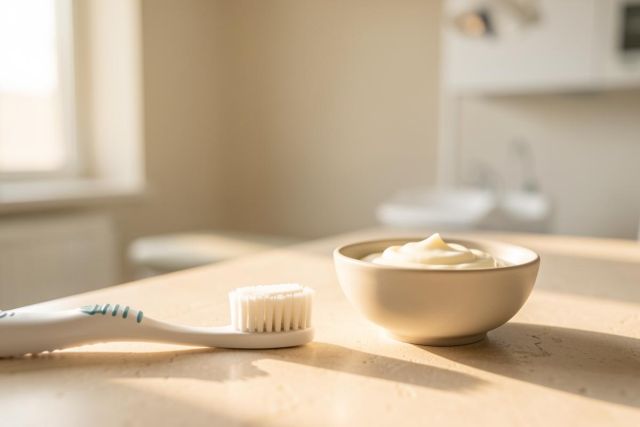
Start with a soft-bristled toothbrush to minimize discomfort. The best toothbrush after gum reshaping should have soft, rounded bristles. This type of brush will clean effectively without irritating your sensitive gums. Brushing after gingivectomy should be done gently, using light pressure to avoid harming the healing tissue.
Developing a proper technique is crucial for comfort. Hold the brush at a 45-degree angle to your gums. Use short, gentle strokes to clean each tooth. Focus on the areas that need care without applying too much force. These gentle dental care tips will help maintain hygiene and promote healing.
Follow these guidelines for effective brushing during recovery. Learning how to brush after gum contouring is essential for optimal results. Be patient with your healing process and adjust your routine as needed. By prioritizing gentle techniques, you can keep your mouth clean while ensuring comfort. Remember to consult your dentist if you have any concerns about your recovery.
Vital Hydration and Oral Care Tips for Faster Gum Healing
Vital hydration and oral care tips for faster gum healing are essential. After gum contouring, your body needs proper hydration to support recovery. Keeping your mouth moist helps promote healing and comfort during this period. Prioritizing hydration after gum surgery will lead to better overall results.
Drinking plenty of water is crucial for maintaining moisture. Aim for at least eight glasses of water daily to support healing. Additionally, using a mouth rinse for healing gums can help. Look for a saltwater rinse or an alcohol-free option to soothe your gums without irritation.
Incorporating gentle oral care practices is equally important. Avoid vigorous rinsing or harsh brushing during the early healing phase. Opt for a soft toothbrush and brush lightly to avoid trauma. Following these gum contouring aftercare guidelines will significantly enhance your recovery experience.
Implement these hydration and oral care strategies for optimal results. Staying hydrated after gum surgery will aid in healing and comfort. Remember to avoid alcohol-based rinses that may cause dryness. By focusing on gentle care and adequate hydration, you can ensure a smoother recovery journey. Always consult with your dentist if you have concerns about your healing process.
Explore Gum Contouring Options
Share a few details about your smile goals and treatment preferences. A dental provider can review your information and discuss whether gum-line reshaping may be appropriate for your plans.
Dental Background
These questions provide basic context for the consultation. Select the answer that best describes your experience.
Consultation Preferences
Share any details that may help the provider understand your expectations. You can leave a question blank if it does not apply.
Contact information
Your information is only used to contact you and is never shared with third parties.
Your request has been received!
Thank you. Your inquiry has been received and can be reviewed by a dental provider.
Days 4-7: Gradually Reintroducing Foods for Stronger Gums
Days 4-7 are crucial for gradually reintroducing foods for stronger gums. As your healing progresses, your gums will tolerate more varied textures. Slowly adding solid foods can enhance your nutrition while promoting healing. Knowing what to eat after gum contouring is essential during this phase.
Start with soft, easy-to-chew foods that provide vital nutrients. Oatmeal, scrambled eggs, and steamed vegetables are great options. These foods are nutrient-dense and gentle on healing gums. Following a healing gums food list will help ensure you receive necessary vitamins and minerals.
As you feel more comfortable, consider incorporating additional textures. Soft fish, cooked grains, and yogurt can be included. These foods not only support healing but also add variety to your diet. Reintroducing foods after gum surgery should be done carefully to avoid any discomfort.
Focus on balanced meals that promote overall health and recovery. A post-contouring diet should include a mix of proteins, healthy fats, and carbohydrates. Listen to your body and adjust as needed based on comfort levels. By following these tips, you can enjoy a smoother transition back to your regular diet. Stay mindful of your healing process and consult your dentist if any concerns arise.
Crucial Signs You Need to Call Your Dentist Post Gum Contouring
Crucial signs you need to call your dentist post gum contouring are important to recognize. Monitoring your recovery is essential for a successful outcome. Certain symptoms may indicate gum surgery complications that require professional attention. Being aware of these signs can prevent further issues and promote healing.
Increased swelling or persistent pain can signal a problem. While some discomfort is expected, severe or worsening pain is concerning. Signs of gum infection might include unusual bleeding or pus. If you notice these symptoms, contacting your dentist is vital for timely intervention.
Changes in taste or difficulty swallowing can also be alarming. These issues may indicate an underlying infection or irritation. Gum contouring aftercare involves being vigilant about any unexpected changes. Always report concerning symptoms to your dentist as soon as possible.
Recognizing when to call your dentist after gum contouring is key for recovery. Pay attention to your body and trust your instincts. Early intervention can prevent complications and ensure a smoother healing process. Maintain open communication with your dental care team and prioritize your oral health during recovery.
Key Takeaways
- Soft foods like yogurt and applesauce are recommended for the first day after gum contouring to avoid irritation.
- Use a soft-bristled toothbrush and gentle brushing techniques to maintain oral hygiene without causing pain during the healing process.
- Hydration is vital; aim for at least eight glasses of water daily to support recovery after gum surgery.
- Be vigilant for signs of complications, such as increased swelling or persistent pain, and contact your dentist if these occur.
- Gradually reintroduce solid foods starting from day four, focusing on easy-to-chew options that provide essential nutrients.
Frequently Asked Questions
What to eat after gum contouring for quick recovery?
Soft foods are essential after gum contouring. Options include yogurt, applesauce, and mashed potatoes. Avoid hard or spicy foods that can irritate your gums. Staying hydrated is also important during this time.
How to brush after gingivectomy without causing pain?
Use a soft-bristled toothbrush for gentle brushing. Hold the brush at a 45-degree angle to your gums. Brush lightly using short strokes to minimize discomfort. Avoid vigorous movements that may harm healing tissue.
When to call a dentist after gum contouring?
Contact your dentist if you experience severe pain or swelling. Signs of infection, like pus or unusual bleeding, are concerning. If your symptoms worsen instead of improving, seek professional help. Timely intervention is key to a smooth recovery.
What are the best gum contouring aftercare tips?
Prioritize hydration and consume soft foods for healing. Follow gentle brushing techniques to protect your gums. Rinse your mouth with saltwater to promote healing. Always follow your dentist's specific aftercare instructions.
How long does recovery take after gum contouring?
Recovery typically takes about one to two weeks. Most patients can return to normal activities within a few days. Full healing may take longer depending on individual circumstances. Monitor your progress and communicate with your dentist.
The information provided is for educational purposes only and does not constitute medical advice. Always consult with a healthcare professional for medical guidance specific to your situation.