Quick answer
Not everyone is suitable for dental implants due to various health conditions and lifestyle factors. Consulting with a dental professional can help determine individual eligibility and risks.
Who May Not Be Suitable for Dental Implants?
Dental implants can be a transformative solution for individuals seeking to replace missing teeth. Despite their popularity, not everyone is suitable for dental implants. Factors such as health conditions, lifestyle choices, and age can impact eligibility. Knowing who cannot have dental implants is essential for making informed decisions regarding dental health.
Certain medical issues, like diabetes or autoimmune disorders, can complicate dental implant placement. Patients should be aware of dental implant contraindications that may affect their candidacy. Understanding the risks associated with these health conditions is vital for achieving successful outcomes. Lifestyle habits, particularly smoking, are also crucial considerations that can jeopardize implant success.
Age plays a significant role in determining suitability for dental implants. Both young patients and older adults may face unique challenges regarding bone density and healing. Assessing these factors helps both patients and dental professionals determine the best course of action. Exploring these aspects further can provide clarity on who may not be suitable for dental implants.
Plan Your Dental Implant Treatment
Share a few details about your dental implant goals and preferences so a clinic can review your request and discuss suitable planning options.
Timing and Preferences
These questions help indicate your preferred timeframe and restoration interests. Choose the closest answer if you are still deciding.
Questions for the Clinic
Add any information or questions you would like the clinic to consider. Avoid including contact details here, as they are collected separately.
Contact information
Your information is only used to contact you and is never shared with third parties.
Your request has been received!
Thank you. Your information has been submitted for clinic review.
Top 6 Health Conditions That May Prevent Dental Implants
Certain health conditions may prevent dental implants from being a viable option. Patients with chronic diseases and dental implants often face increased risks. Understanding these dental implant contraindications is crucial for effective treatment planning. Identifying who is unsuitable for dental implants helps patients make informed decisions.
Diabetes is a significant health condition that can hinder implant success. Poorly controlled blood sugar levels may lead to delayed healing and infection. Patients with diabetes should consult their healthcare provider before considering implants. This chronic disease is one of the most common health conditions for implants.
Autoimmune disorders, such as lupus and rheumatoid arthritis, can also complicate implant procedures. These conditions may impair the body’s ability to heal properly. Patients with autoimmune diseases often experience inflammation that impacts bone integration. It is essential to discuss these risks with a dental professional to assess suitability.
Bone health is another critical factor affecting dental implant eligibility. Osteoporosis can lead to weakened bone structure, which may not support an implant. Patients with low bone density should explore options for improving their bone health. Consulting a specialist can provide insight into whether dental implants are a suitable choice.
Being aware of these health conditions that may prevent dental implants is vital. Consulting with a dental professional can help clarify individual risks. Understanding your health conditions for implants ensures a safer approach to dental care. Prioritize a thorough evaluation to determine your candidacy for dental implants.
How Smoking and Lifestyle Habits Impact Dental Implant Success
How smoking and lifestyle habits impact dental implant success is crucial to consider. Smoking significantly raises the dental implant failure risk. The harmful chemicals in cigarettes can impede healing and bone integration. Patients should recognize how their habits may affect their candidacy.
Lifestyle habits dental implants can also play a vital role in outcomes. Poor nutrition and lack of exercise can weaken the immune system. A compromised immune system may lead to complications after surgery. Individuals with unhealthy habits should reassess their lifestyle choices for better results.
Hygiene practices are essential for maintaining dental implants. Neglecting oral care can lead to infection and other issues. This infection risk is significantly higher in smokers and those with poor hygiene. Patients should prioritize regular dental check-ups and consider lifestyle changes for optimal implant success.
Evaluating smoking and lifestyle habits is essential for potential implant candidates. Those who cannot have dental implants due to these factors should explore alternatives. Discussing options with a dental professional can lead to better choices. Commit to a healthier lifestyle to improve your chances for successful dental implants.
Why Bone Health Is Essential for Dental Implant Candidates
Why bone health is essential for dental implant candidates cannot be overstated. Strong bone density is crucial for the success of dental implants. Adequate jawbone health for implants ensures proper support and stability. Without sufficient bone density, implants may fail or lead to complications.
Bone loss can significantly impact implant placement and healing. Patients with osteoporosis or significant bone deterioration may face challenges. This condition makes it difficult for the jawbone to integrate with the implant. Individuals experiencing bone loss implants may require additional procedures, such as bone grafting, before considering implants.
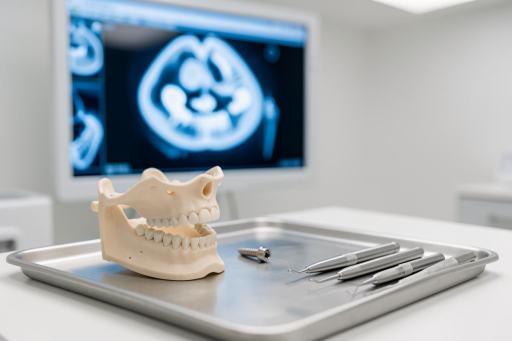
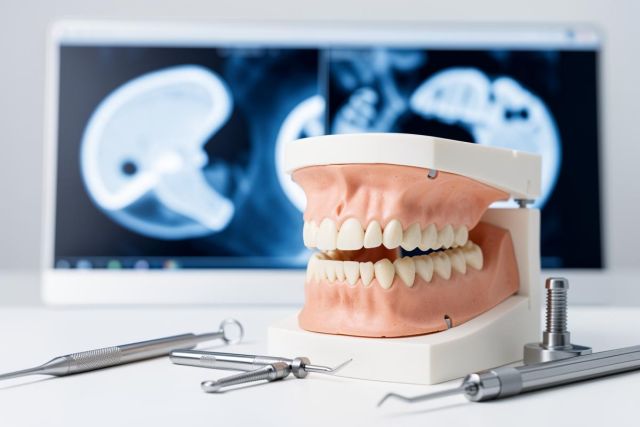
Assessing bone density dental implants is a vital step in the evaluation process. Dental professionals often use imaging techniques to determine bone quality. Understanding the jawbone's health helps guide treatment decisions. Patients with low bone density should explore options to enhance their bone structure.
Maintaining strong bone health is essential for successful dental implants. Those with concerns about bone density should consult their dentist. Exploring preventative measures can lead to better outcomes for implant candidates. Prioritize bone health to increase your chances of successful dental implant placement.
Plan Your Dental Implant Treatment
Share a few details about your dental implant goals and preferences so a clinic can review your request and discuss suitable planning options.
Timing and Preferences
These questions help indicate your preferred timeframe and restoration interests. Choose the closest answer if you are still deciding.
Questions for the Clinic
Add any information or questions you would like the clinic to consider. Avoid including contact details here, as they are collected separately.
Contact information
Your information is only used to contact you and is never shared with third parties.
Your request has been received!
Thank you. Your information has been submitted for clinic review.
Are Age and Growth Stages Barriers to Dental Implants?
Are age and growth stages barriers to dental implants? Age can significantly influence dental implant suitability by age. Young patients, particularly teens and dental implants, often face unique challenges. Their jawbones may not have fully developed, making implants less viable.
Older adults may also encounter obstacles when considering implants. Factors such as bone density and overall health become increasingly important. Age-related conditions can complicate the healing process. Patients must evaluate dental implant contraindications that may arise with age.
Teens, for example, may need to wait until their jaw growth is complete. Dentists typically assess the maturity of the jawbone before proceeding. For older individuals, ensuring adequate bone health is crucial. Those who experience significant bone loss may require additional treatments before implants.
Being aware of how age impacts dental implant options is essential. Consulting a dental professional can clarify individual risks based on age. Patients should prioritize a thorough evaluation to assess their suitability. Consider age-related factors to enhance your chances for successful dental implants.
5 Questions to Ask Before Considering Dental Implants
5 questions to ask before considering dental implants can guide your decision. These inquiries help clarify dental implant eligibility and potential risks. Knowing what to ask allows you to assess your situation effectively. Informed patients are better equipped to make sound choices regarding their dental health.
The first question should focus on your overall health. Ask your dentist if any health conditions may affect your eligibility. Certain chronic diseases can complicate dental implant procedures. Identifying who may not be suitable for dental implants helps you avoid complications.
Another important question involves the dental implant procedure itself. Inquire about the steps involved and the expected recovery time. Understanding the dental implant risks associated with the procedure can also help. Knowing what to expect prepares you for a smoother experience.
Finally, ask about the long-term care and maintenance of your implants. Understanding how to care for dental implants ensures their longevity. Regular check-ups and good oral hygiene are essential for success. Gathering this information empowers you to make the best decisions about your dental health. Prioritize these questions to ensure a successful outcome with dental implants.
Key Takeaways
- Certain health conditions, like uncontrolled diabetes and autoimmune disorders, can complicate dental implant procedures.
- Bone health is critical for dental implant success, as insufficient bone density may lead to implant failure.
- Smoking significantly increases the risk of dental implant failure and should be addressed before considering implants.
- Age can influence dental implant suitability, with both young patients and older adults facing unique challenges.
- Patients should prioritize a thorough evaluation with their dentist to assess health conditions and lifestyle habits that may affect dental implant candidacy.
Frequently Asked Questions
Who cannot have dental implants due to health issues?
Patients with certain health conditions may be unsuitable for dental implants. Chronic diseases like uncontrolled diabetes can complicate procedures. Autoimmune disorders also impact bone healing and integration. Discussing your health history with a dentist is crucial.
What are the common dental implant contraindications?
Dental implant contraindications include insufficient bone density and infection. Patients with severe gum disease may not be eligible. Smoking can also negatively affect healing and implant success. A thorough evaluation can identify these issues.
How to assess if dental implants are right for me?
Assessing dental implant suitability involves a detailed consultation. Your dentist will evaluate your overall health and dental history. Imaging tests may be used to check bone density. Discuss any concerns about dental implant risks with your professional.
Why is bone health important for dental implants?
Bone health is essential for the stability of dental implants. Adequate jawbone density provides the necessary support. Without strong bone, implants may fail or not integrate properly. Patients should consider ways to improve bone health before surgery.
What lifestyle factors can affect dental implant success?
Lifestyle factors like smoking can hinder dental implant success. Poor nutrition may also impact healing and recovery. Maintaining proper oral hygiene is crucial for implant longevity. Discussing lifestyle changes with your dentist can be beneficial.
The information provided is for educational purposes only and does not constitute medical advice. Always consult with a healthcare professional for medical guidance specific to your situation.