Quick answer
Before dental implant treatment, patients need several tests including imaging and blood work to ensure safety and success. A thorough evaluation helps identify any underlying issues and allows for tailored treatment plans.
Which Tests and Scans Are Needed Before Dental Implant Treatment?
Which tests and scans are needed before dental implant treatment? This question is crucial for patients considering dental implants. Thorough evaluations ensure the success of the procedure and overall safety. Tests before dental implants, including imaging and blood work, help identify any underlying issues. These assessments allow dental professionals to create tailored treatment plans that meet individual needs.
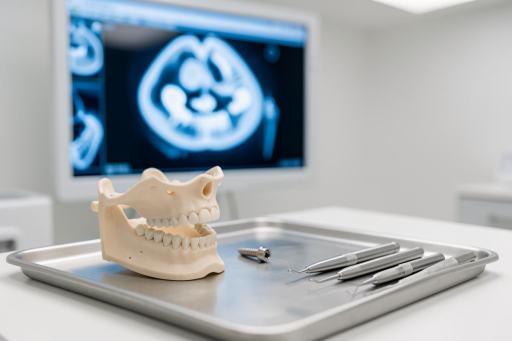
Obtaining a CBCT scan for implants is particularly important. This advanced imaging technique offers detailed views of the jawbone and surrounding structures. It reveals critical information that standard x-rays may miss, allowing for precise planning. Understanding the importance of dental implant x-rays also plays a vital role in the evaluation process. These x-rays help detect bone quality and underlying conditions that could hinder treatment.
Being well-informed about the necessary tests before dental implants enhances patient confidence. Taking time to prepare for the screening appointment ensures that all relevant health factors are considered. A successful dental implant experience begins with comprehensive evaluations and proactive planning. Continue reading to learn more about the essential tests and scans required for your dental implant journey.
Plan Your Dental Implant Treatment
Share a few details about your dental implant goals and preferences so a clinic can review your request and discuss suitable planning options.
Timing and Preferences
These questions help indicate your preferred timeframe and restoration interests. Choose the closest answer if you are still deciding.
Questions for the Clinic
Add any information or questions you would like the clinic to consider. Avoid including contact details here, as they are collected separately.
Contact information
Your information is only used to contact you and is never shared with third parties.
Your request has been received!
Thank you. Your information has been submitted for clinic review.
Top 5 Vital Tests Before Dental Implants
Several tests before dental implants are essential for a successful outcome. These evaluations help identify any underlying dental issues that may affect the procedure. Patients must undergo thorough pre-implant screening to ensure their oral health meets the necessary requirements. Comprehensive dental health evaluations pave the way for effective treatment planning.
A complete medical history review is one of the necessary dental implant tests. This process helps identify any health conditions that could complicate surgery. For example, conditions such as diabetes or heart disease require careful consideration. Each patient’s unique medical background plays a vital role in implant success.
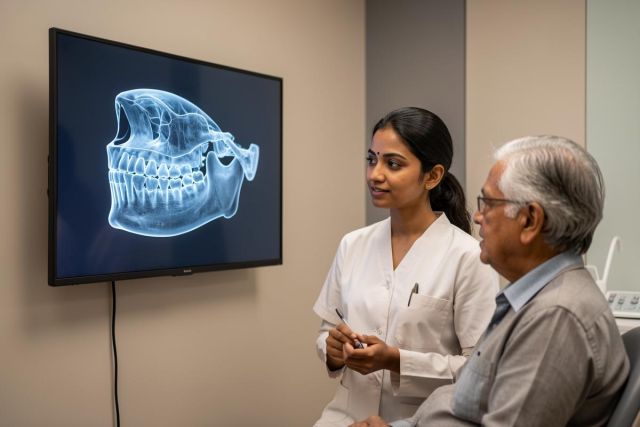
Radiographic imaging is another critical part of the evaluation process. Dental x-rays and CBCT scans provide crucial insights into the jaw’s structure. These images help dentists assess bone density and detect potential issues. Accurate imaging supports informed decisions on implant placement and overall treatment planning.
Practical takeaways from these tests include understanding their importance for safety. Be proactive in discussing any health concerns with your dentist. Ensure all necessary dental implant tests are completed before proceeding. Patients can enhance their chances of a successful implant journey by prioritizing these essential evaluations. Continue to stay informed about your options and consult with your dental professional.
CBCT Scan for Implants: Why 3D Imaging Is Crucial
A CBCT scan for implants provides essential 3D imaging for dental professionals. This advanced technology captures detailed images of the jawbone and surrounding structures. High-resolution scans allow for precise evaluation of bone quality and anatomy. Accurate jawbone assessment is vital for determining the best implant placement.
3D dental imaging offers several advantages over traditional x-rays. While standard x-rays show a two-dimensional view, CBCT scans reveal a comprehensive three-dimensional perspective. This depth of information helps identify anatomical variations and potential complications. For instance, dentists can visualize nerve locations and sinus cavities that could affect implant success.
Cone beam CT scans also enhance treatment planning and surgical precision. These scans allow for a virtual assessment of the implant site before surgery. By visualizing the area in three dimensions, dental professionals can create a tailored approach for each patient. This personalized planning increases the likelihood of successful outcomes and minimizes risks during the procedure.
Patients should prioritize the CBCT scan during their dental evaluations. This imaging step is crucial for ensuring optimal implant placement and long-term success. Discuss any concerns with your dentist and ask about 3D imaging options. Taking these proactive steps can significantly improve your dental implant experience and outcomes.
How Dental Implant X-Rays Reveal Hidden Issues
Dental implant x-rays are essential for identifying hidden issues. These imaging techniques provide crucial insights into the condition of your jawbone. They help dental professionals assess bone density and detect any abnormalities. A comprehensive bone quality check ensures that implants are placed safely and effectively.
Panoramic x-rays for implants offer a broad view of the mouth. This imaging captures all teeth and surrounding structures in one image. By providing a complete picture, panoramic x-rays help identify potential problems. Dentists can easily spot infections, cysts, or other dental issues that may impact implant success.
Dental radiographs play a critical role in treatment planning. These images allow dentists to evaluate the overall oral environment. They help in determining the precise location for implant placement. Accurate positioning is essential for long-term stability and functionality of the implants.
Patients should prioritize dental implant x-rays during their evaluations. These images are vital for ensuring optimal treatment outcomes. Discuss any concerns with your dental professional to ensure a thorough assessment. Taking these proactive steps before your procedure can lead to a smoother implant experience and better results.
Plan Your Dental Implant Treatment
Share a few details about your dental implant goals and preferences so a clinic can review your request and discuss suitable planning options.
Timing and Preferences
These questions help indicate your preferred timeframe and restoration interests. Choose the closest answer if you are still deciding.
Questions for the Clinic
Add any information or questions you would like the clinic to consider. Avoid including contact details here, as they are collected separately.
Contact information
Your information is only used to contact you and is never shared with third parties.
Your request has been received!
Thank you. Your information has been submitted for clinic review.
Blood Tests and Medical Assessments: Ensuring Implant Safety
Blood tests and medical assessments are crucial for ensuring implant safety. These evaluations help identify any health issues that may complicate surgery. A thorough pre-implant blood test can reveal conditions like diabetes or anemia. Addressing these factors early improves the chances of a successful dental implant.
A medical assessment for dental implants typically includes various tests. These may involve checking blood pressure, heart health, and overall physical condition. Each factor plays a significant role in the healing process after surgery. Dentists can tailor their approach based on these assessments to enhance patient safety.
Specific health check before implants is essential for all patients. For instance, patients on medication that affects blood clotting need careful evaluation. Knowing these details helps dental professionals minimize risks during the implant procedure. This proactive approach fosters better communication and trust between patients and their healthcare providers.
Patients should prioritize their health evaluations before dental procedures. Discuss any medical history or concerns with your dentist. Completing all necessary implant safety tests ensures a smoother surgical experience. Taking these steps can lead to better outcomes and increased confidence in your dental care.
How to Prepare for Your Dental Implant Screening Appointment
Preparing for your dental implant screening appointment is essential for success. Proper preparation ensures that your dentist has all necessary information. Patients should gather relevant medical history and current medications before the appointment. Being organized helps facilitate a smooth dental implant consultation.
What to bring to the implant appointment includes identification and insurance information. Having this documentation ready speeds up the check-in process. Additionally, consider bringing a list of questions to discuss with your dentist. This proactive approach fosters better communication and ensures you leave informed.
Planning your transportation is another vital step. Arrange a reliable way to get to and from your appointment. If you receive sedation, having someone accompany you is crucial. This support will help you feel more comfortable and secure during the process.
Prioritize your preparation for dental implant tests to ensure a successful screening. Take the time to review your health history and make a list of concerns. This diligence will lead to a more productive consultation. Engaging in these steps can significantly enhance your dental implant journey and outcomes.
Key Takeaways
- A complete medical history review is essential to identify health conditions that could complicate dental implant surgery.
- Radiographic imaging, including dental x-rays and CBCT scans, provides crucial insights into jaw structure and bone density.
- Patients should prioritize dental implant x-rays to detect hidden issues that may affect the success of the implants.
- Blood tests are important for revealing underlying health issues like diabetes that could impact the surgical process.
- Proper preparation for dental implant screenings, including gathering medical history and questions, enhances the consultation experience.
Frequently Asked Questions
What tests before dental implants are necessary?
Several tests are necessary before dental implants. These include x-rays and blood tests. A comprehensive dental health evaluation is also essential. These tests help ensure implant success and patient safety.
How does a CBCT scan for implants work?
A CBCT scan for implants creates 3D images of the jaw. This imaging technique provides detailed views of bone structure. It helps identify critical areas for implant placement. Dentists use this information for accurate treatment planning.
When are dental implant x-rays required?
Dental implant x-rays are required during the initial assessment. They help evaluate bone density and oral health. These images reveal hidden issues that may affect implants. Dentists rely on x-rays for accurate placement decisions.
How can I prepare for dental implant tests?
Prepare for dental implant tests by gathering medical information. Bring a list of medications and health history. Discuss any concerns with your dentist beforehand. Proper preparation leads to a smoother evaluation process.
Why are blood tests important before dental implants?
Blood tests are crucial before dental implants for safety. They help identify underlying health conditions that may complicate surgery. Conditions like diabetes can affect healing times. Knowing this information allows for tailored treatment plans.
The information provided is for educational purposes only and does not constitute medical advice. Always consult with a healthcare professional for medical guidance specific to your situation.