Quick answer
When choosing between titanium and zirconia dental implants, consider your aesthetic preferences and any potential allergies. Both materials have unique advantages that can influence your decision based on individual needs.
Titanium vs Zirconia Dental Implants: Which Material Is Right for You?
When considering dental implants, titanium vs zirconia implants is a critical decision for many patients. Both materials offer unique benefits and potential drawbacks that can affect overall oral health. Choosing the right dental implant material is essential for long-term success and satisfaction. As patients explore their options, understanding these differences can help ensure they make informed choices.
Zirconia dental implants have gained popularity due to their aesthetic appeal and biocompatibility. Many patients appreciate the natural look and feel of these implants, making them an attractive option for those concerned about appearance. The choice between titanium and zirconia materials can impact not only the look of dental work but also its durability and function over time. Knowing the key differences can guide patients through the decision-making process.
Both titanium dental implants and zirconia have unique advantages that cater to varied patient needs. Factors such as allergies, lifestyle, and personal preferences will influence which material is the best fit. As you continue reading, you will gain deeper insights into the essential features of titanium vs zirconia dental implants. This knowledge will empower you to make an educated choice for your dental health.
Plan Your Dental Implant Treatment
Share a few details about your dental implant goals and preferences so a clinic can review your request and discuss suitable planning options.
Timing and Preferences
These questions help indicate your preferred timeframe and restoration interests. Choose the closest answer if you are still deciding.
Questions for the Clinic
Add any information or questions you would like the clinic to consider. Avoid including contact details here, as they are collected separately.
Contact information
Your information is only used to contact you and is never shared with third parties.
Your request has been received!
Thank you. Your information has been submitted for clinic review.
5 Key Differences Between Titanium and Zirconia Dental Implants
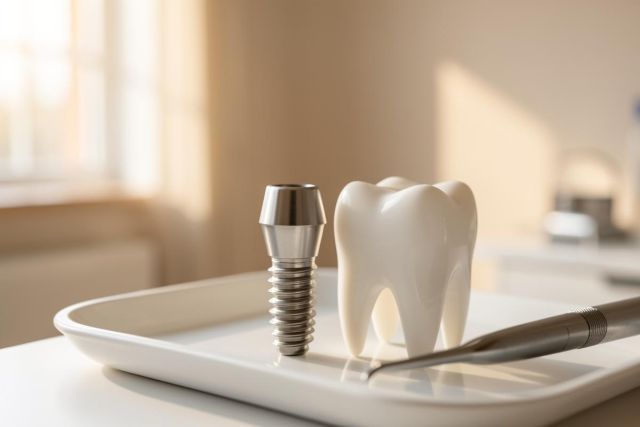
Titanium vs zirconia implants present distinct characteristics that influence patient decisions. Each material offers unique advantages and disadvantages that affect functionality and aesthetics. Evaluating dental implant differences is crucial for patients considering their options. A thorough comparison helps in selecting the most suitable dental implant materials for individual needs.
One major difference is biocompatibility. Titanium dental implants are known for their exceptional integration with bone. This property, called osseointegration, ensures a strong bond between the implant and jawbone. In contrast, zirconia implants, while also biocompatible, may not integrate as effectively as titanium. Patients should consider this when evaluating titanium vs zirconia dental implants.
Aesthetic appearance plays a significant role in the choice of implant materials. Zirconia dental implants have a tooth-like color and can blend seamlessly with natural teeth. Titanium implants, on the other hand, are metallic and may be visible through the gums. Many patients prioritize aesthetics, especially those looking for implants in highly visible areas.
Selecting the right dental implant material involves evaluating both function and appearance. Understanding titanium vs zirconia implants is essential for making an informed decision. Consider your specific needs, preferences, and consult with a dental professional. This approach ensures you choose the best option for your oral health journey.
Crucial Benefits of Titanium Dental Implants for Longevity
Crucial benefits of titanium dental implants for longevity make them a popular choice. These implants offer exceptional durability and reliability over time. Many patients trust titanium for its proven track record in dental procedures. Evaluating titanium dental implants benefits helps in making an informed decision.
One significant advantage is their remarkable strength. Titanium implants can withstand considerable biting forces without breaking. This strength contributes to the longevity of titanium implants, ensuring they remain functional for years. Patients can rely on titanium implants for daily activities like eating and speaking without concern.
Another essential benefit is their excellent biocompatibility. Titanium integrates seamlessly with the jawbone, creating a strong bond. This process, known as osseointegration, enhances stability and reduces the risk of implant failure. Compared to titanium vs zirconia implants, the integration of titanium often results in improved long-term success.
Selecting titanium dental implants is an investment in long-lasting dental health. Their strength and compatibility ensure patients enjoy a reliable solution. When considering dental implants, weigh the benefits of titanium carefully. Consult with a dental professional to explore your options and make the best choice for your needs.
Why More Patients Are Choosing Zirconia Dental Implants Today
More patients are choosing zirconia dental implants today for several compelling reasons. These implants offer unique advantages, particularly in aesthetics and biocompatibility. Many individuals prefer zirconia for its natural appearance, making it an attractive choice. This growing trend highlights the importance of evaluating zirconia vs titanium implants.
Aesthetic appeal is a primary reason for this shift. Zirconia dental implants resemble natural teeth, blending seamlessly with existing dental structures. Patients appreciate the tooth-like color, which enhances their smile's appearance. This feature is especially beneficial for those receiving implants in visible areas.
Another key factor is the hypoallergenic nature of zirconia. Unlike titanium, zirconia implants do not cause allergic reactions in sensitive patients. This characteristic makes them a safer option for individuals prone to metal allergies. Ceramic implant benefits extend beyond aesthetics, offering a reliable choice for long-term dental health.
Choosing zirconia dental implants can significantly enhance your smile and overall confidence. Their natural appearance and hypoallergenic properties make them an appealing option. Explore zirconia options with your dental professional to determine if they suit your needs. This proactive approach ensures you make an informed decision regarding your dental health.
Plan Your Dental Implant Treatment
Share a few details about your dental implant goals and preferences so a clinic can review your request and discuss suitable planning options.
Timing and Preferences
These questions help indicate your preferred timeframe and restoration interests. Choose the closest answer if you are still deciding.
Questions for the Clinic
Add any information or questions you would like the clinic to consider. Avoid including contact details here, as they are collected separately.
Contact information
Your information is only used to contact you and is never shared with third parties.
Your request has been received!
Thank you. Your information has been submitted for clinic review.
Top 7 Risks and Concerns: Titanium vs Zirconia Implants
Top 7 risks and concerns: titanium vs zirconia implants highlight important factors to consider. Both materials present unique challenges that potential patients should be aware of. Evaluating dental implant risks can help you make informed choices regarding your dental health. Awareness of these risks leads to better outcomes and satisfaction with your chosen option.
One significant concern is the possibility of a titanium implant allergy. Some patients may develop allergic reactions to titanium, leading to discomfort or implant failure. Symptoms may include inflammation, pain, or localized swelling. Evaluating your medical history is essential to avoid complications linked to titanium implant allergy.
Zirconia implant complications can also arise, despite their benefits. While zirconia implants are generally stable, they can fracture under excessive force. Patients with heavy biting forces may experience issues with ceramic durability. Knowing about these potential dental implant side effects is vital for making the right choice.
Being aware of the risks associated with both types of implants can guide your decision. Discuss these concerns with your dental professional to ensure you choose the best option. Weigh the risks against the benefits of each material, titanium or zirconia. This informed approach promotes better dental health and enhances your overall experience.
How to Choose the Best Dental Implant Material for Your Needs
How to choose the best dental implant material for your needs involves several key considerations. Each patient has unique requirements that influence their decision. Factors such as aesthetics, biocompatibility, and durability play essential roles in this process. Evaluating these aspects can help you determine the right choice for your dental health.
Begin by assessing your aesthetic preferences. If natural appearance is a priority, zirconia dental implants might be a better fit. These implants closely resemble natural tooth color and blend seamlessly with existing teeth. Patients seeking a more cosmetic solution should consider this aspect when making their titanium vs zirconia decision.
Next, evaluate any potential allergies. Some patients may experience a titanium implant allergy, which could complicate treatment. Discuss your medical history with your dentist to identify any concerns. A thorough dental implant consultation will address these factors and guide your choice.
Selecting the best dental implant material is crucial for long-term success. Consider your lifestyle and personal preferences when making this decision. Consult with a dental professional to explore the options available to you. This proactive approach ensures you find the most suitable solution for your dental needs.
Key Takeaways
- Zirconia implants are favored for their natural appearance and biocompatibility, making them ideal for visible areas.
- Titanium implants are known for their strength and exceptional integration with bone, contributing to their long-term success.
- Patients with metal allergies should discuss their medical history with their dentist to determine if titanium implants are suitable.
- Zirconia implants can fracture under excessive biting forces, which may be a concern for patients with heavy bites.
- Consulting with a dental professional is essential to evaluate personal preferences and make an informed choice regarding implant materials.
Frequently Asked Questions
What are the main differences between titanium vs zirconia implants?
Titanium implants are strong and durable. Zirconia implants offer better aesthetics. The choice depends on individual needs and preferences.
How do zirconia dental implants compare to titanium?
Zirconia implants blend well with natural teeth. Titanium implants are more widely accepted and tested. Each material has unique benefits for patients.
When should I consider zirconia dental implants?
Zirconia implants are ideal for patients seeking natural appearance. They are also suitable for those with metal allergies. Consult with your dentist to explore options.
Can titanium implants cause allergic reactions?
Some patients may experience a titanium implant allergy. Symptoms can include pain or inflammation at the implant site. Discuss your medical history with your dentist for safety.
How long do titanium vs zirconia implants last?
Titanium implants generally have a proven longevity record. Zirconia implants can also last many years with proper care. Individual results may vary based on oral hygiene.
The information provided is for educational purposes only and does not constitute medical advice. Always consult with a healthcare professional for medical guidance specific to your situation.