Quick answer
Teeth grinding, or bruxism, can significantly jeopardize the success of dental implants by causing damage and discomfort. It is essential for patients with implants to recognize the signs of bruxism and take proactive measures to protect their dental health.
How Does Teeth Grinding Affect Dental Implants?
Teeth grinding, also known as bruxism, poses a serious risk to dental implants. Many people are unaware that clenching or grinding teeth can threaten the longevity of their implants. This issue has become increasingly relevant as more patients seek dental implants for effective tooth replacement. Protecting implants from the effects of bruxism is essential for maintaining oral health and ensuring the success of these restorative procedures.
Chronic teeth grinding can lead to various complications, including implant failure and surrounding tissue damage. Patients often experience pain, discomfort, and increased wear on their dental prosthetics. Recognizing the signs of bruxism and addressing them promptly is crucial for preserving dental investments. Effective prevention strategies, such as wearing a night guard for implants, can make a significant difference in outcomes.
Seeking professional advice about bruxism is vital for anyone with dental implants. Understanding the connection between teeth grinding and implant health fosters informed decision-making. Awareness of this relationship empowers patients to take proactive steps in safeguarding their dental health. Exploring effective solutions can help protect implants and enhance overall well-being.
Plan Your Dental Implant Treatment
Share a few details about your dental implant goals and preferences so a clinic can review your request and discuss suitable planning options.
Timing and Preferences
These questions help indicate your preferred timeframe and restoration interests. Choose the closest answer if you are still deciding.
Questions for the Clinic
Add any information or questions you would like the clinic to consider. Avoid including contact details here, as they are collected separately.
Contact information
Your information is only used to contact you and is never shared with third parties.
Your request has been received!
Thank you. Your information has been submitted for clinic review.
5 Ways Bruxism Can Impact Dental Implants’ Longevity
Bruxism can significantly impact dental implants’ longevity and overall success. This condition causes excessive pressure on dental prosthetics, resulting in potential complications. Patients with bruxism often face risks that can lead to teeth grinding implant failure. Recognizing how bruxism affects implants is crucial for maintaining oral health.
Excessive force from grinding can lead to implant loosening. When the jaw continually exerts pressure, surrounding bone may weaken. This weakening can cause implants to shift or become unstable over time. Properly placed implants should remain secure, but bruxism disrupts this stability and can shorten implant longevity.
Another factor is the wear and tear on the dental prosthetics. The constant friction from grinding accelerates deterioration of crowns and abutments. Patients may notice chips or cracks that compromise the integrity of their implants. Addressing bruxism early can help prevent these damaging effects and ensure your dental implants last longer.
Taking proactive measures is essential for protecting your dental implants. Wearing a custom night guard can reduce the impact of bruxism during sleep. Regular dental visits allow for monitoring and adjustments as needed. Understanding the relationship between bruxism and dental implants empowers patients to safeguard their oral health. Explore effective strategies to protect your investment and maintain a healthy smile.
Warning Signs: When Teeth Grinding Threatens Your Implants
Warning signs of teeth grinding can indicate serious threats to your implants. Recognizing these symptoms early is crucial for successful dental care. Common teeth grinding symptoms include jaw pain and headaches that may point to bruxism. Noticing these signs can help protect your dental implants from potential damage.
Persistent jaw soreness is a primary indication of bruxism and implant risks. When grinding occurs, excessive pressure builds up in the jaw muscles. This pressure can lead to discomfort and tenderness around the implant site. Ignoring these symptoms may result in more severe complications over time.
Another critical sign involves changes to your dental prosthetics. Patients may notice chips or cracks in crowns or bridges. These signs of implant problems should not be overlooked. Early intervention can prevent further damage and enhance the longevity of your implants.
Taking notice of these warning signs is vital for dental health. Regular check-ups with your dentist can help monitor implant stability. If you experience any concerning symptoms, seek professional advice promptly. Addressing early warning bruxism and dental implants can protect your investment and ensure a healthy smile. Stay proactive about your oral health and discuss any concerns with your dental professional.
Top Strategies for Protecting Dental Implants from Bruxism
Top strategies for protecting dental implants from bruxism are essential for long-term success. Effective prevention can significantly reduce the risks associated with teeth grinding. Implementing these strategies ensures that your dental implants remain secure and functional for years to come.
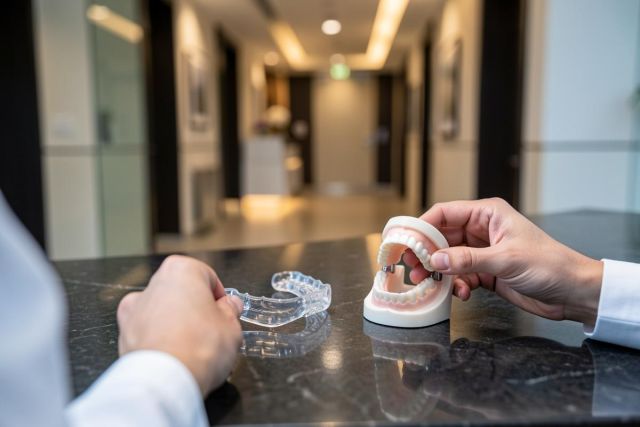
A night guard for implants is one of the most effective tools. This custom-made device fits comfortably over your teeth during sleep. It acts as a barrier, absorbing the pressure from grinding. Using a night guard can significantly reduce the risk of damage to your implants.
Stress management is another crucial aspect of bruxism prevention. High stress levels often lead to increased teeth grinding. Techniques such as yoga, meditation, and deep breathing can help alleviate tension. Finding healthy ways to manage stress can protect dental implants and improve overall well-being.
Regular dental visits are vital for monitoring implant health. During these check-ups, your dentist can assess any signs of wear or damage. They can also make necessary adjustments to your night guard for optimal fit. Taking proactive steps in protecting dental implants ensures their longevity and functionality. Be sure to communicate any concerns with your dentist to maintain your oral health.
Plan Your Dental Implant Treatment
Share a few details about your dental implant goals and preferences so a clinic can review your request and discuss suitable planning options.
Timing and Preferences
These questions help indicate your preferred timeframe and restoration interests. Choose the closest answer if you are still deciding.
Questions for the Clinic
Add any information or questions you would like the clinic to consider. Avoid including contact details here, as they are collected separately.
Contact information
Your information is only used to contact you and is never shared with third parties.
Your request has been received!
Thank you. Your information has been submitted for clinic review.
How to Choose the Right Night Guard for Dental Implants
Choosing the right night guard for dental implants is crucial for effective protection. A suitable guard can help prevent damage caused by bruxism. Selecting the best night guard dental implants ensures that your investment remains secure and functional.
Custom implant night guards are often the best choice for many patients. These guards are designed specifically for your mouth. They provide a snug fit and optimal comfort during sleep. A well-fitted guard can reduce the risk of teeth grinding and protect your dental implants effectively.
Consider the material when selecting a bruxism dental guard. Different materials offer varying levels of durability and comfort. Some guards are made from hard plastic, while others may be softer and more flexible. Discussing material options with your dentist can help you find the perfect fit for your needs.
Regularly assessing the condition of your night guard is essential. Ensure it remains free from cracks or wear that could diminish its effectiveness. Replacing an old or damaged guard ensures continued protection for your dental implants. Prioritize your oral health by consulting with your dentist about the best options available. Taking these steps will help maintain the longevity and integrity of your implants.
When to Seek Help: Implant Complications and Professional Advice
Knowing when to seek help for dental implant complications bruxism is essential. Early intervention can prevent minor issues from becoming severe problems. If you experience pain or discomfort around your implants, consulting your dentist is crucial for prompt care. Recognizing when to see a dentist for bruxism can save your investments and improve your oral health.
Swelling or inflammation around the implant site often indicates a problem. These symptoms can signal infection or other complications that require immediate attention. Dental implant complications related to bruxism may also include loosened implants or damaged crowns. Ignoring these signs can lead to further issues and costly repairs down the line.
Regular check-ups are vital for monitoring your dental implants. Your dentist will assess the stability of your implants and check for signs of wear. If you notice changes in your bite or difficulty chewing, do not hesitate to seek help. Addressing implant problems early can enhance your overall experience and satisfaction with your dental work.
Taking proactive steps in monitoring your dental health is essential. If you suspect bruxism is affecting your implants, schedule an appointment promptly. Discuss any concerns or symptoms you may have with your dentist. Prioritizing your oral health will lead to better outcomes and a healthier smile.
Key Takeaways
- Bruxism can lead to complications such as implant failure and surrounding tissue damage.
- Symptoms like jaw pain and headaches may indicate bruxism and potential risks to dental implants.
- Wearing a custom night guard can effectively protect dental implants from the effects of teeth grinding.
- Regular dental visits are important for monitoring the health and stability of implants.
- If you notice swelling or discomfort around your implants, seek professional advice promptly to prevent further complications.
Frequently Asked Questions
What is bruxism and how does it affect dental implants?
Bruxism is the involuntary grinding of teeth. It can lead to dental implants becoming loose or damaged. Excessive pressure from grinding may cause implant failure. Monitoring your dental health is essential for prevention.
How can a night guard for implants help bruxism?
A night guard for implants protects against teeth grinding. It absorbs pressure and reduces wear on dental prosthetics. Custom guards fit snugly and provide comfort during sleep. Regular use can prevent damage and extend implant life.
When should I seek help for teeth grinding implant failure?
Seek help if you notice pain around your implants. Swelling or inflammation may also indicate an issue. Early intervention is crucial to prevent further complications. Discuss any concerns with your dentist as soon as possible.
Is bruxism linked to stress and dental implant complications?
Yes, stress is a common trigger for bruxism. Increased grinding can lead to dental implant complications over time. Managing stress through relaxation techniques may help. Consult your dentist for additional strategies to protect your implants.
How do I know if my night guard for implants fits properly?
A proper fit is snug but not uncomfortable. You should feel even pressure without pain when wearing it. If you notice discomfort or shifting, consult your dentist. Regular adjustments ensure optimal protection against grinding.
The information provided is for educational purposes only and does not constitute medical advice. Always consult with a healthcare professional for medical guidance specific to your situation.