Quick answer
Cleaning and caring for dental implants is essential for their long-term success. Daily oral hygiene practices, including brushing and flossing, are vital to prevent complications and maintain overall health.
How Do You Clean and Care for Dental Implants?
Dental implants offer a reliable solution for those missing teeth. Proper cleaning and care for dental implants are vital for long-term success. Patients must prioritize their oral hygiene routines to protect their implants and maintain overall health. Neglecting these practices can lead to complications, including infections and implant failure.
Incorporating effective dental implant care practices can significantly enhance oral health. Daily habits such as brushing and flossing around implants help prevent plaque buildup. Knowing how to clean dental implants properly is essential for preserving the integrity of these restorations. Regular care not only promotes a healthy mouth but also boosts confidence in one’s smile.
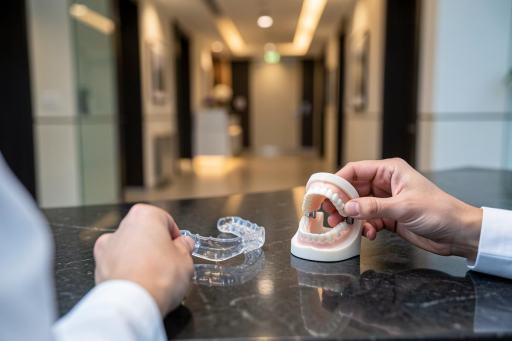
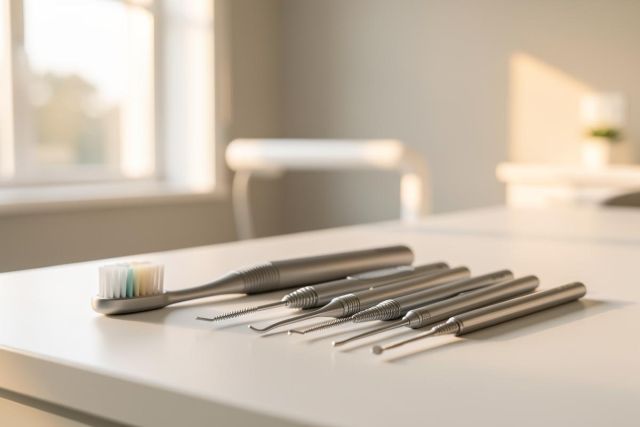
Choosing the right cleaning tools is crucial for maintaining dental implants. Specialized toothbrushes and flossing devices can effectively reach areas around the implants. Patients should also schedule routine dental visits for professional evaluations and cleanings. Taking these steps promotes optimal oral health and ensures the longevity of dental implants.
Plan Your Dental Implant Treatment
Share a few details about your dental implant goals and preferences so a clinic can review your request and discuss suitable planning options.
Timing and Preferences
These questions help indicate your preferred timeframe and restoration interests. Choose the closest answer if you are still deciding.
Questions for the Clinic
Add any information or questions you would like the clinic to consider. Avoid including contact details here, as they are collected separately.
Contact information
Your information is only used to contact you and is never shared with third parties.
Your request has been received!
Thank you. Your information has been submitted for clinic review.
5 Essential Daily Habits for Dental Implant Care
Daily dental hygiene is crucial for effective dental implant care. Establishing a routine helps maintain the health of your implants and overall mouth. Consistent practices ensure you keep plaque and bacteria at bay, protecting your investment. Implementing these essential habits can significantly enhance the longevity of your implants.
Brushing your teeth twice a day is a fundamental practice. Use a soft-bristle toothbrush to avoid damaging your implants. Focus on cleaning around the gums and the implant area. This routine is an important aspect of how to clean dental implants effectively. Choose a fluoride toothpaste to help strengthen your teeth and gums.
Flossing is another vital component of a daily implant cleaning routine. Use a gentle floss or interdental brush to clean between teeth. This practice removes food particles and plaque buildup that brushing might miss. Regular flossing helps prevent gum disease, which can jeopardize implant stability. Incorporating this into your daily dental hygiene will keep your mouth healthy.
Rinsing with an antimicrobial mouthwash can enhance your care routine. This helps minimize bacteria and freshens your breath. Consider a mouthwash specifically designed for dental implant care. Following these daily habits will promote optimal health for your implants and overall dental hygiene. Establish your routines today to ensure lasting results for your smile.
Must-Have Tools for Cleaning Around Dental Implants
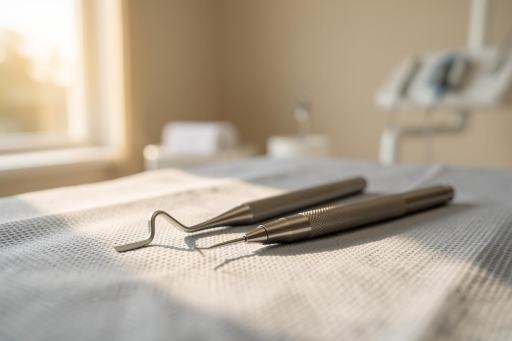
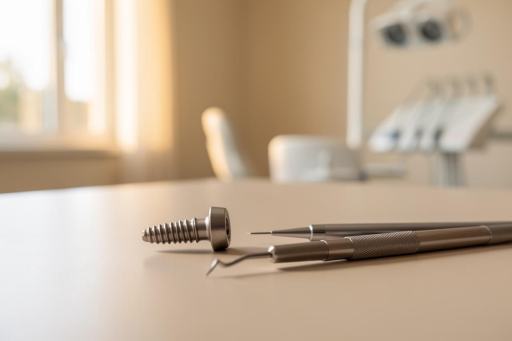
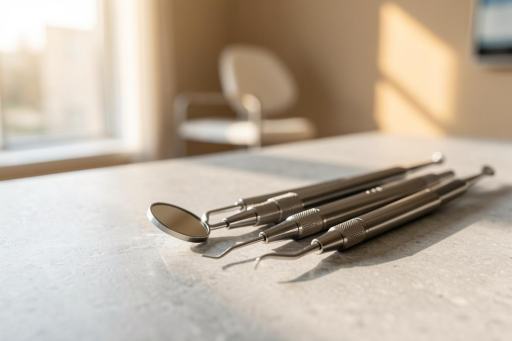
Utilizing the right dental implant cleaning tools is essential for effective care. These specialized tools help maintain hygiene around implants and support gum health. Proper cleaning around implants prevents complications and prolongs the life of your dental work. Investing in the best tools can significantly enhance your oral care routine.
A soft-bristle toothbrush is one of the best brushes for dental implants. It effectively cleans without damaging the implant or surrounding gums. Look for toothbrushes designed specifically for sensitive teeth or implants. Using this type of brush ensures a gentle yet thorough cleaning experience, reducing the risk of irritation.
Interdental cleaning tools are also crucial for maintaining implant health. These tools, such as interdental brushes or flossers, help clean between teeth where regular brushing falls short. They effectively remove plaque and food particles, minimizing the risk of gum disease. Incorporating interdental cleaning into your routine ensures comprehensive care for your dental implants.
Consider using an antimicrobial mouthwash to complement your cleaning routine. This can target bacteria around your implants and freshen your breath. Choosing the right dental implant cleaning tools will make a significant difference in your dental hygiene. Commit to using these tools daily for optimal oral health and lasting implant success.
How to Floss Around Dental Implants Without Causing Damage
Flossing around implants is essential for maintaining oral health. Proper techniques are crucial to avoid damaging the implants or gums. Safe flossing techniques will ensure that you effectively remove plaque without causing harm. Mastering these methods can greatly enhance your dental implant maintenance.
Using a gentle approach is key when flossing around implants. Start with a length of floss that is about 18 inches long. Wrap the ends around your fingers for better control. Insert the floss gently between your teeth, curving it around the implant. This minimizes the risk of injury and helps you clean effectively.
Choosing the best floss for implants can make a significant difference. Look for waxed or non-waxed options that slide easily between teeth. Some patients find that dental tape works better for wider spaces. Regardless of your choice, ensure that you use a gentle sawing motion to avoid damaging the gums.
Incorporating these safe flossing techniques into your daily routine is vital. Flossing around implants should be done at least once a day. Regular flossing not only prevents gum disease but also promotes overall oral health. Make this habit part of your daily dental hygiene to protect your implants and maintain a healthy smile.
Plan Your Dental Implant Treatment
Share a few details about your dental implant goals and preferences so a clinic can review your request and discuss suitable planning options.
Timing and Preferences
These questions help indicate your preferred timeframe and restoration interests. Choose the closest answer if you are still deciding.
Questions for the Clinic
Add any information or questions you would like the clinic to consider. Avoid including contact details here, as they are collected separately.
Contact information
Your information is only used to contact you and is never shared with third parties.
Your request has been received!
Thank you. Your information has been submitted for clinic review.
Warning Signs Your Dental Implants Need Professional Attention
Recognizing warning signs your dental implants need professional attention is crucial. Early detection can prevent serious dental implant problems down the road. Patients should be aware of specific symptoms indicating potential complications. Monitoring these signs helps ensure the longevity of your implants and overall oral health.
Pain around the implant site is often the first sign of issues. If you experience persistent discomfort, do not ignore it. This can signal infection or irritation of the surrounding tissues. Implant infection symptoms may include swelling, redness, or discharge. Seeking help promptly can prevent more severe complications.
Another key warning sign is mobility of the implant. If your implant feels loose or shifts during chewing, immediate evaluation is necessary. This may indicate that the bone is failing to integrate properly with the implant. Timely intervention can help identify underlying issues and restore stability.
Regular checkups are vital for maintaining the health of your implants. When to see a dentist for implants should be based on any unusual symptoms. If you notice any of these warning signs, schedule an appointment as soon as possible. Prioritizing your dental health will ensure your implants remain a successful part of your smile.
How Often Should You Visit the Dentist for Implant Checkups?
Determining how often you should visit the dentist for implant checkups is essential for long-term success. Regular appointments help monitor the health of your dental implants. Consistent checkups can catch potential issues early, ensuring effective implant maintenance. Patients should prioritize these visits to maintain optimal oral health.
Dental implant checkup frequency typically ranges from every six months to once a year. During these visits, your dentist will evaluate the condition of your implants and surrounding gums. Professional cleaning for implants is also performed to remove plaque and tartar buildup. This proactive approach helps prevent complications and maintains the integrity of your implants.
Factors such as your overall oral health and personal habits can influence checkup frequency. Patients with a history of gum disease may require more frequent visits. Conversely, those with excellent oral hygiene may maintain a less frequent schedule. Discussing your individual needs with your dentist can help establish the best plan for you.
Prioritizing implant maintenance visits is vital for your dental health. Regular checkups not only ensure the longevity of your implants but also support your overall oral hygiene. Schedule your appointments based on your dentist's recommendations and your personal health history. Taking these steps will help you enjoy a healthy smile for years to come.
Key Takeaways
- Proper cleaning and care for dental implants can prevent infections and implant failure.
- Using a soft-bristle toothbrush and fluoride toothpaste is crucial for cleaning around implants.
- Flossing gently around implants is necessary to avoid damaging the gums and ensure effective plaque removal.
- Regular dental checkups, typically every six months, are important for monitoring implant health and preventing complications.
- Patients should seek professional help if they experience pain, swelling, or mobility of the implant, as these may indicate serious issues.
Frequently Asked Questions
How to clean dental implants effectively at home?
Daily brushing with a soft-bristle toothbrush is essential. Use fluoride toothpaste for optimal dental implant care. Flossing around implants should be done gently to avoid damage. Consider using interdental brushes for hard-to-reach areas.
What are the best tools for dental implant care?
A soft-bristle toothbrush is crucial for cleaning implants. Interdental brushes and floss are also beneficial for thorough cleaning. Antimicrobial mouthwash can help reduce bacteria around implants. Using these tools supports overall dental implant maintenance.
When should I visit the dentist for implant checkups?
Regular dental checkups should occur every six months. More frequent visits may be necessary for those with oral health issues. Your dentist will evaluate the health of your implants. Consistent visits help prevent complications and maintain hygiene.
Is flossing around implants different from regular flossing?
Yes, flossing around implants requires a gentle approach. Use waxed floss or interdental brushes to avoid damaging gums. Be cautious to curve the floss around the implant. This technique helps remove plaque without causing irritation.
Can dental implants get infected and what are the signs?
Yes, dental implants can become infected if not cared for properly. Signs of implant infection include swelling, pain, and discharge. Early detection is crucial for effective treatment. Seek professional help if you notice any concerning symptoms.
The information provided is for educational purposes only and does not constitute medical advice. Always consult with a healthcare professional for medical guidance specific to your situation.