Quick answer
Yes, you can have temporary teeth while dental implants heal. These options help maintain appearance and function during the healing process.
Can You Have Temporary Teeth While Dental Implants Heal?
Dental implants offer a reliable solution for missing teeth, but the healing process can take time. Many patients wonder if they can have temporary teeth during implant healing. This question is essential for maintaining both appearance and function while the implants integrate with the jawbone.
Temporary crowns or bridges serve as vital options for those undergoing this process. Patients often benefit from these solutions, as they allow for normal eating and speaking. Choosing the right temporary teeth can enhance comfort and confidence, especially during recovery. Many people find that using temporary teeth during implant healing alleviates concerns about their appearance.
Understanding the types of temporary teeth available is crucial. Whether opting for removable or fixed solutions, each option presents unique advantages. The right temporary crown can make a significant difference in the recovery experience. Exploring these choices ensures patients are well-informed about their options.
Plan Your Dental Implant Treatment
Share a few details about your dental implant goals and preferences so a clinic can review your request and discuss suitable planning options.
Timing and Preferences
These questions help indicate your preferred timeframe and restoration interests. Choose the closest answer if you are still deciding.
Questions for the Clinic
Add any information or questions you would like the clinic to consider. Avoid including contact details here, as they are collected separately.
Contact information
Your information is only used to contact you and is never shared with third parties.
Your request has been received!
Thank you. Your information has been submitted for clinic review.
Why Temporary Teeth Are Essential During Implant Healing
Temporary teeth during implant healing are vital for patient comfort. They help maintain a normal appearance while the jawbone integrates with the implant. Many patients feel more confident when they have a complete smile during recovery. The importance of temporary teeth cannot be overstated, as they significantly improve daily life.
Comfort is another crucial aspect of dental implant healing. Having temporary teeth allows patients to eat and speak normally. This functionality reduces the risk of dietary restrictions, which can occur with missing teeth. Patients with temporary dental crowns often report a higher quality of life during the healing process.
Maintaining oral hygiene is essential during this time. Temporary teeth can facilitate easier cleaning, which is vital for preventing infection. Patients should follow their dentist’s care instructions closely to ensure that their temporary teeth remain in good condition. This attention to detail enhances dental implant healing comfort and supports overall oral health.
Choosing the right temporary teeth can make a significant difference. Discuss options with your dentist to find the best solution for your needs. Being proactive about your recovery will lead to a smoother healing process. Embracing temporary teeth during implant healing is a step toward a healthier and more confident smile.
Top 3 Temporary Tooth Options for Implant Patients
Temporary tooth options for implant patients are essential for comfort. Various types of temporary teeth can meet different needs during recovery. Patients should consider factors such as appearance, functionality, and budget when choosing their options. Exploring these choices helps ensure that each patient's unique situation is addressed effectively.
One common option is the temporary crown dental implant. This solution is often custom-made to fit the patient's mouth. Temporary crowns provide a natural appearance and can help patients eat comfortably. They serve as a protective cover while the dental implant heals and integrates.
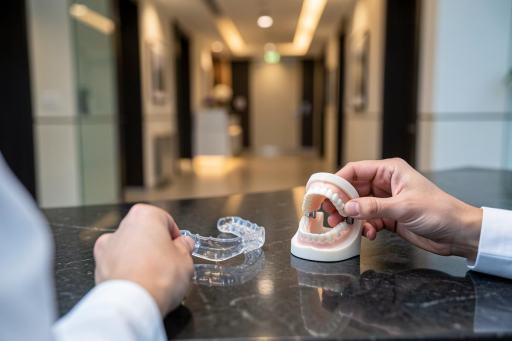
Another popular choice is a removable partial denture. These dentures are designed to replace one or more missing teeth. Removable options are easy to clean and allow for flexibility during the healing process. Patients often appreciate how these dentures can be taken out when necessary, providing comfort and convenience.
Fixed temporary bridges also offer a solid solution for patients. These bridges can replace several teeth in one area and are usually secured to adjacent teeth. They provide stability and help maintain the shape of the mouth. Selecting the best temporary teeth for implants requires a discussion with your dentist to find the most suitable option.
Assessing these top three temporary tooth options will help you make an informed decision. Each type has its benefits and can enhance your healing experience. Consult with your dental professional to determine which solution is right for your needs. Embracing the right temporary teeth during your implant recovery will support your journey to a healthy smile.
How to Choose the Right Temporary Solution for You
Choosing temporary teeth is a crucial step in your recovery. The right dental implant temporary options can significantly impact your comfort and confidence. Consider factors such as aesthetics, functionality, and ease of maintenance. Each patient's needs can vary, making this decision personal and important.
When evaluating options, think about your lifestyle and preferences. If you lead an active life, a secure solution is essential. Fixed temporary teeth may provide more stability than removable options. Patients often find that fixed solutions allow them to eat and speak without concern.
Aesthetic considerations are particularly important for front teeth. Many people worry about the appearance of their temporary teeth. Selecting the best temporary teeth for front teeth can enhance your smile. Discuss the color and shape with your dentist to achieve a natural look.
Gathering information about your choices empowers you to make an informed decision. Consult with your dental professional to understand the pros and cons of each option. Choosing the right temporary solution will support your comfort and confidence during recovery. Take the time to explore your options and ensure you are satisfied with your choice.
Plan Your Dental Implant Treatment
Share a few details about your dental implant goals and preferences so a clinic can review your request and discuss suitable planning options.
Timing and Preferences
These questions help indicate your preferred timeframe and restoration interests. Choose the closest answer if you are still deciding.
Questions for the Clinic
Add any information or questions you would like the clinic to consider. Avoid including contact details here, as they are collected separately.
Contact information
Your information is only used to contact you and is never shared with third parties.
Your request has been received!
Thank you. Your information has been submitted for clinic review.
Vital Care Tips: Protecting Temporary Teeth While Implants Heal
Caring for temporary teeth is essential during your healing process. Protecting temporary teeth while implants heal can prevent complications and ensure a smooth recovery. Following specific care tips will help maintain the health and appearance of your temporary solution. Prioritizing these practices is vital for optimal healing.
One crucial tip is to maintain good oral hygiene. Brush your temporary teeth gently but thoroughly at least twice daily. Avoid using aggressive brushing techniques that could loosen the temporary crown. Patients often benefit from using a soft-bristled toothbrush to minimize irritation and maximize cleanliness.
Food choices also play a significant role in maintaining your temporary teeth. Avoid hard or sticky foods that could dislodge your temporary crown. Soft foods are recommended to ease chewing and protect your dental work. Following these temporary crown care tips can help prevent damage and ensure your comfort while eating.
Regular check-ups with your dentist are essential for monitoring your progress. These appointments allow your dentist to assess the condition of your temporary teeth. If you notice any discomfort or changes, report them during your visits. By focusing on protecting your temporary teeth while implants heal, you will support a successful transition to permanent dental solutions. Take the time to prioritize your dental care during this critical phase.
Risks and Common Problems With Temporary Teeth During Implant Recovery
Risks and common problems with temporary teeth during implant recovery can affect healing. Patients should be aware of potential issues that may arise. Recognizing these challenges can help in making informed decisions about care. Addressing these temporary teeth problems early can lead to better outcomes.
One common issue involves discomfort or irritation around the gums. Patients may experience sensitivity or inflammation as the body adjusts. These symptoms can be exacerbated by improper care or poor hygiene. Maintaining good dental hygiene is essential to minimize dental implant healing risks during this period.
Another concern is the potential for the temporary crown to become loose. If a temporary crown is not properly fitted, it may dislodge during eating. Patients should avoid sticky or hard foods to prevent this issue. Regular check-ups with your dentist can help ensure that any issues with the temporary crown are promptly addressed.
It is important to monitor any unusual changes or discomfort during recovery. If you experience persistent pain or swelling, contact your dentist immediately. Taking proactive measures can help manage any complications that arise. By being aware of these risks, you can protect your temporary teeth and support a smooth recovery process. Prioritize your dental health to ensure a successful transition to permanent implants.
Key Takeaways
- Temporary crowns or bridges are essential for comfort and confidence during dental implant healing.
- Maintaining good oral hygiene is crucial to prevent infection and ensure the health of temporary teeth.
- Patients should avoid hard or sticky foods to prevent dislodging temporary crowns.
- Regular check-ups with your dentist are important to monitor the condition of temporary teeth during recovery.
- If you experience persistent pain or swelling, it is important to contact your dentist immediately.
Frequently Asked Questions
What are temporary teeth during implant healing?
Temporary teeth during implant healing are prosthetic replacements. They help maintain function and appearance while healing occurs. These options include temporary crowns and bridges. Patients often feel more confident with temporary solutions in place.
How long do I need temporary crown dental implants?
Temporary crown dental implants are usually needed for several months. This duration allows the underlying bone to heal properly. Your dentist will monitor progress and advise when to switch. It is essential to follow their recommendations closely.
How to care for teeth while implants heal?
Caring for teeth while implants heal is crucial for success. Maintain regular brushing and flossing routines to prevent infection. Avoid hard or sticky foods that may dislodge temporary crowns. Regular dental check-ups will help ensure proper healing.
Can I eat normally with temporary teeth during healing?
Eating with temporary teeth during healing is possible but requires caution. Stick to soft foods to protect your temporary crown. Avoid very hot and cold foods that could cause sensitivity. Always consult your dentist for personalized dietary advice.
What problems can occur with temporary crowns during recovery?
Temporary crowns can become loose or damaged during recovery. Discomfort or sensitivity in the gums may also arise. If you experience any issues, contact your dentist promptly. Addressing problems early can prevent complications and support healing.
The information provided is for educational purposes only and does not constitute medical advice. Always consult with a healthcare professional for medical guidance specific to your situation.