Quick answer
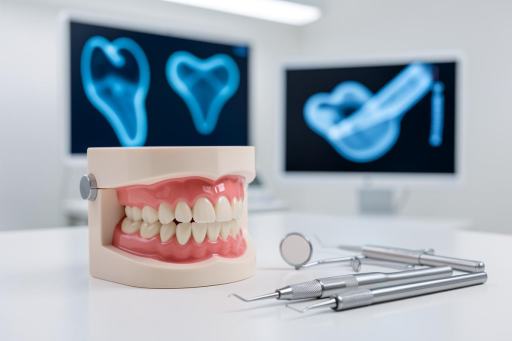
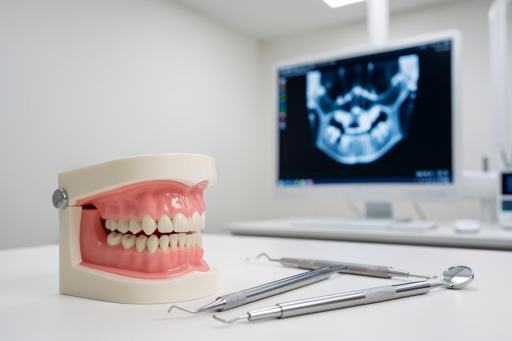
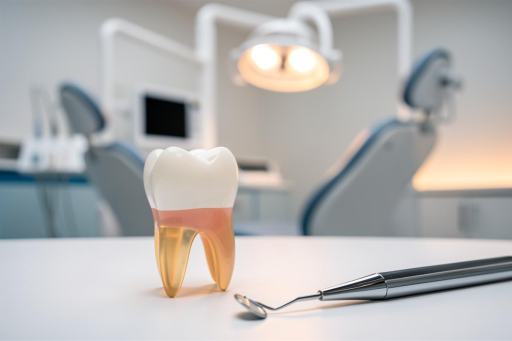
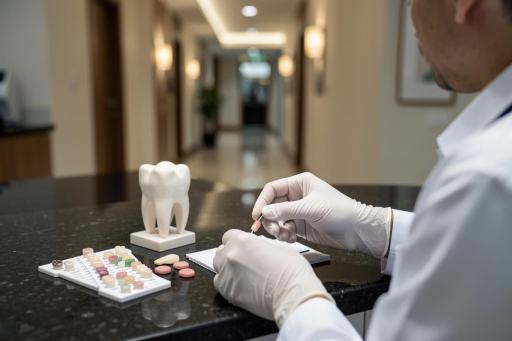
Dental crowns are protective caps placed over damaged teeth to restore their function and appearance. They are essential for maintaining oral health, especially in cases of severe decay or structural damage.
What Are Dental Crowns? Types, Purpose, Materials, and When They Are Needed
Dental crowns play a crucial role in modern dentistry, offering solutions for various dental issues. These crowns serve to protect, restore, and enhance the appearance of damaged teeth. Many patients seek dental crown treatment for specific needs, making it essential to understand their types, materials, and purposes. Awareness of when dental crowns are needed can significantly improve oral health and overall well-being.
Different types of dental crowns exist, each designed for unique situations. From porcelain crowns to metal options, choosing the right material is vital for longevity and aesthetics. Many patients may find themselves wondering about the best dental crown for their specific condition. Knowledge of the pros and cons of each crown type can guide better decision-making.
Recognizing warning signs that indicate the need for dental crowns is equally important. Issues like severe decay or significant wear can lead to the necessity of crowns. By identifying these symptoms early, individuals can take proactive steps to protect their teeth. Understanding the importance of dental crowns can empower patients to maintain a healthy smile and seek timely dental care.
Plan Your Dental Crown Consultation
Share a few details about your dental crown needs so a clinic can better understand your goals and discuss suitable options with you.
Plan Your Dental Crown Consultation
Share any preferences or timing considerations for your treatment. This helps the clinic understand what matters most to you when discussing possible plans.
Plan Your Dental Crown Consultation
Add any details you would like the dental team to consider. You can mention previous crown treatment, general preferences, or questions you want to discuss.
Contact information
Your information is only used to contact you and is never shared with third parties.
Your request has been received!
Thank you. Your information has been submitted for review, and a clinic representative can follow up about your dental crown options.
5 Essential Reasons Why Dental Crowns Are Used
Dental crowns are vital components in restorative dentistry, serving multiple purposes. These durable caps are placed over damaged teeth to restore their function and appearance. Many patients are unaware of the significant role dental crowns play in oral health. Recognizing the purpose of dental crowns can lead to better dental care decisions.
One primary reason for using dental crowns is to protect weak teeth. When a tooth has extensive decay or has undergone root canal treatment, a crown can provide necessary support. This protection prevents further damage and allows the tooth to function normally. Such dental crown treatment is crucial for maintaining overall oral health.
Another essential reason is to restore broken or worn-down teeth. Accidents, grinding, or other factors can lead to significant damage. A dental crown can effectively restore the shape and structure of these compromised teeth. Patients often notice improved chewing ability and enhanced appearance after receiving a crown.
Practical advice includes regularly visiting your dentist and discussing any concerns. Identifying issues early can prevent the need for more extensive treatments. Understanding why dental crowns are needed helps in making informed choices. Taking proactive steps can enhance your dental health and maintain your beautiful smile.
How to Choose the Right Dental Crown Material: Pros and Cons
How to choose the right dental crown material is an important decision. Various dental crown materials are available, each with unique benefits and drawbacks. Patients must evaluate these options to determine the best crown material for their needs. Knowing the differences between materials can lead to informed choices about dental care.
Porcelain crowns are popular for their natural appearance. They blend well with surrounding teeth, making them ideal for visible areas. While porcelain crowns offer aesthetic advantages, they may not be as durable as metal options. Weighing the pros and cons of porcelain crowns vs metal crowns is crucial for decision-making.
Metal crowns, on the other hand, are highly durable and can withstand significant chewing forces. They are often recommended for back teeth where strength is essential. However, their metallic appearance can be less appealing for some patients. Considering the types of dental crowns available helps identify which material fits best for individual situations.
Practical advice includes discussing your options with a trusted dentist. Understanding the pros and cons of different dental crown materials can guide your decision. Each material has its strengths, so consider your lifestyle and aesthetic preferences. Making an informed choice will enhance your dental health and restore your smile effectively.
Types of Dental Crowns: Which Option Is Vital for Your Smile?
Types of dental crowns vary significantly, catering to different needs. Each crown type serves a unique purpose depending on the condition of the tooth. Patients must evaluate their options to find the most suitable solution for their smile. Choosing the right crown types can enhance both function and aesthetics.
Full crowns are designed to cover the entire tooth, providing maximum support. These crowns are commonly used after root canal procedures or significant decay. They can be made from materials like porcelain or metal, each offering distinct advantages. Patients should consider factors like durability and appearance when selecting a full vs partial crown.
Partial crowns, also known as onlays or inlays, are another option. They cover only a portion of the damaged tooth, preserving more natural tooth structure. This type of dental crown is ideal for less severe damage. Temporary dental crowns may also be used while waiting for a permanent solution, offering protection during the interim.
Practical advice includes discussing your needs with a dental professional. Exploring the different types of dental crowns can help you make informed decisions. Each crown type has its benefits, so consider your specific situation and preferences. Taking time to evaluate your options will lead to a healthier, more beautiful smile.
Plan Your Dental Crown Consultation
Share a few details about your dental crown needs so a clinic can better understand your goals and discuss suitable options with you.
Plan Your Dental Crown Consultation
Share any preferences or timing considerations for your treatment. This helps the clinic understand what matters most to you when discussing possible plans.
Plan Your Dental Crown Consultation
Add any details you would like the dental team to consider. You can mention previous crown treatment, general preferences, or questions you want to discuss.
Contact information
Your information is only used to contact you and is never shared with third parties.
Your request has been received!
Thank you. Your information has been submitted for review, and a clinic representative can follow up about your dental crown options.
7 Warning Signs You Might Need a Dental Crown Soon
7 warning signs you might need a dental crown soon are important to recognize. Identifying these signs early can prevent further dental issues. Patients should pay attention to changes in their oral health. Knowing when dental crowns are needed can lead to timely treatment.
Severe tooth sensitivity is a common indicator of dental issues. If hot or cold foods cause discomfort, it may signal damage. This dental crown symptom often suggests that the tooth is compromised. Seeking prompt dental care can help address these concerns before they worsen.
Visible cracks or chips in teeth also warrant attention. These physical signs indicate that a tooth may not be structurally sound. A dental crown can provide the necessary support and protection. Addressing these issues early helps maintain overall dental health and prevents additional damage.
If you experience pain while chewing, it is crucial to consult a dentist. This pain may indicate underlying decay or damage requiring dental crown treatment. Practical advice includes scheduling regular dental check-ups to monitor your oral health. Recognizing these signs you need a dental crown can lead to prompt and effective treatment. Taking action now will safeguard your smile for the future.
How to Prepare for Dental Crown Treatment: Step-by-Step Guide
How to prepare for dental crown treatment is essential for a smooth process. Proper preparation can make the dental crown procedure steps more comfortable. This guide outlines what to expect and how to get ready. Knowing these steps can help alleviate anxiety about the treatment.
Start by scheduling a consultation with your dentist. During this visit, your dentist will assess your tooth's condition. They will explain the dental crown treatment options available for your needs. Gathering all necessary information will help you feel more prepared and informed.
Next, follow any specific instructions provided by your dental professional. This might include avoiding certain foods or medications before the procedure. Being mindful of these guidelines can help ensure a successful treatment. Preparing for dental crown involves not only physical readiness but mental preparedness as well.
Aftercare for dental crowns is equally important. Discuss aftercare instructions during your appointment to ensure proper healing. Knowing how to care for your new crown will help maintain your oral health. Taking these steps will lead to a smoother experience and a healthier smile. Make sure to stay proactive in your dental care journey.
Key Takeaways
- Dental crowns serve multiple purposes, including protecting weak teeth and restoring broken ones.
- Different types of crowns, such as porcelain and metal, cater to various dental needs and preferences.
- Recognizing warning signs like severe sensitivity or visible cracks can indicate the need for a dental crown.
- Proper preparation and aftercare are crucial for a smooth dental crown treatment experience.
- Regular dental check-ups can help identify issues early, potentially preventing the need for crowns.
Frequently Asked Questions
What are dental crowns and their purpose?
Dental crowns are caps placed over damaged teeth. They restore functionality and protect weakened teeth. Crowns can improve the appearance of your smile. Understanding their purpose helps in making informed decisions.
How is dental crown treatment performed step-by-step?
Dental crown treatment begins with a consultation. Your dentist will assess the tooth and recommend options. The damaged tooth is prepared, and impressions are taken. Finally, a crown is placed to restore the tooth.
When should I consider different crown types?
Different crown types are considered based on tooth damage. Porcelain crowns are great for visible teeth. Metal crowns are stronger for back teeth. Discussing your options with a dentist is essential.
Is dental crown treatment painful or uncomfortable?
Dental crown treatment involves minimal discomfort for most patients. Local anesthesia is used to numb the area. Some sensitivity might occur after the procedure. Overall, most patients find the experience manageable.
Can I eat normally after getting a dental crown?
Eating normally after getting a dental crown is possible. However, it's best to avoid hard or sticky foods initially. Follow your dentist's aftercare instructions for optimal healing. Gradually return to your usual diet.
The information provided is for educational purposes only and does not constitute medical advice. Always consult with a healthcare professional for medical guidance specific to your situation.