Quick answer
Typically, two to three visits are needed for dental crowns, depending on individual cases. Some patients may choose same-day crowns, which can be completed in just one visit.
How Many Visits Are Needed for Dental Crowns?
Dental crowns play a crucial role in restoring damaged teeth. Many patients may wonder how many visits are needed for dental crowns. Knowing the number of crown appointments can help in planning your treatment effectively. This knowledge is essential for maintaining oral health and ensuring a successful outcome.
The process typically involves multiple steps, which can vary based on individual needs. Factors such as tooth condition, crown material, and patient preferences influence the total number of dental visits. Many individuals opt for either traditional or same-day crowns, each offering unique advantages. Understanding these differences will help you make informed decisions about your dental care.
Planning for dental crown treatment involves preparing for appointments and following aftercare guidelines. Knowing what to expect during each visit can ease anxiety and promote better outcomes. Being proactive about your dental health ensures you receive the best care possible. Continue reading to discover valuable insights about dental crowns and the treatment journey.
Plan Your Dental Crown Consultation
Share a few details about your dental crown needs so a clinic can better understand your goals and discuss suitable options with you.
Plan Your Dental Crown Consultation
Share any preferences or timing considerations for your treatment. This helps the clinic understand what matters most to you when discussing possible plans.
Plan Your Dental Crown Consultation
Add any details you would like the dental team to consider. You can mention previous crown treatment, general preferences, or questions you want to discuss.
Contact information
Your information is only used to contact you and is never shared with third parties.
Your request has been received!
Thank you. Your information has been submitted for review, and a clinic representative can follow up about your dental crown options.
Dental Crown Process: What to Expect in Each Visit
The dental crown process involves several important steps during your crown appointments. Each visit is designed to address specific needs and ensure a successful treatment. Knowing what happens during crown visits can help alleviate any anxiety and make the process smoother.
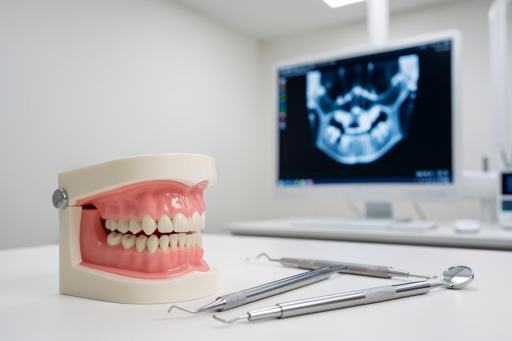
The first appointment generally focuses on examination and preparation. Your dentist will assess the tooth that requires the crown. They may take X-rays to evaluate the tooth and surrounding bone. This initial dental visit sets the stage for the entire crown process, ensuring that your treatment is tailored to your needs.
During the second visit, the dentist will place the crown. If you opted for a traditional crown, the dentist will take impressions of your prepared tooth. These impressions are used to create a custom crown that fits perfectly. The dentist may also place a temporary crown until the final one is ready. This step is crucial in maintaining function and aesthetics while waiting for the permanent crown.
After your crown is placed, following aftercare instructions is vital. Proper care will help your crown last longer and function well. Keeping up with regular dental checkups is also important for monitoring your crown. Be proactive about your dental health and communicate any concerns with your dentist. Doing so will ensure a smooth dental crown process and a positive outcome.
5 Crucial Factors That Impact Dental Crown Visits
Five crucial factors that impact dental crown visits can determine treatment duration. Each element influences the number of dental visits required for a successful outcome. Recognizing these factors affecting crown appointments helps patients prepare for their dental journey.
The first factor is the condition of the affected tooth. If the tooth has extensive decay or damage, more visits may be necessary. Complex cases often require additional treatments before placing a crown. This can increase crown treatment time significantly, making it vital to assess your specific needs.
Crown material choices are another essential consideration. Different materials, like porcelain and metal, have varying properties and costs. Some materials may require more precise fitting, leading to additional appointments. Patients should discuss their options with their dentist to find the best fit for their situation.
Finally, the dentist’s expertise and technology used can affect the process. Experienced dentists may use advanced techniques that reduce the number of visits. Technologies like CAD/CAM can allow for same-day crowns, streamlining the entire experience. Being aware of these factors can empower you to make informed decisions about your dental care.
Considering these crucial elements will help you plan effectively for your crown treatment. Discuss all concerns with your dentist to ensure a smooth experience. Being proactive can lead to better outcomes and a more comfortable dental journey.
Same-Day Crowns vs. Traditional Crowns: Time and Visit Comparison
Same-day crowns vs. traditional crowns presents a significant decision for patients. Each option offers distinct advantages regarding treatment time and the number of dental visits. Knowing the differences can help you choose the best option for your needs.
Same-day crowns utilize advanced dental crown technology to create a custom crown in one visit. This process typically involves digital impressions and computer-aided design. Patients leave the office with a permanent crown on the same day. The convenience of fewer dental visits makes same-day crowns an appealing choice for busy individuals.
Traditional crowns generally require multiple visits to complete the process. During the first appointment, your dentist will prepare the tooth and take impressions. A temporary crown is placed until the permanent crown is ready, which may take a few weeks. This method often results in longer treatment times compared to same-day crowns.
Evaluating your options carefully will help you make the right choice. Consider your schedule, the condition of your teeth, and your dentist's recommendations. Same-day crowns provide efficiency, while traditional crowns may offer more material choices. Discuss your needs with your dentist to determine the best approach for your dental crown treatment.
Plan Your Dental Crown Consultation
Share a few details about your dental crown needs so a clinic can better understand your goals and discuss suitable options with you.
Plan Your Dental Crown Consultation
Share any preferences or timing considerations for your treatment. This helps the clinic understand what matters most to you when discussing possible plans.
Plan Your Dental Crown Consultation
Add any details you would like the dental team to consider. You can mention previous crown treatment, general preferences, or questions you want to discuss.
Contact information
Your information is only used to contact you and is never shared with third parties.
Your request has been received!
Thank you. Your information has been submitted for review, and a clinic representative can follow up about your dental crown options.
How to Prepare for Your Dental Crown Appointments
How to prepare for your dental crown appointments is essential for a smooth experience. Being well-prepared can help alleviate anxiety and ensure efficient visits. Following these crown appointment tips will set the stage for successful treatment.
Gathering necessary information is the first step in preparation. Bring a list of any medications you are currently taking. This helps the dentist assess potential interactions during the procedure. Additionally, having your dental insurance information ready can streamline the billing process.
A dental visit checklist can help you remember important items. Consider bringing someone along for support, especially if you require sedation. It is also wise to wear comfortable clothing and avoid heavy meals before your appointment. These simple steps can enhance your comfort and ease during the visit.
Familiarizing yourself with what to expect at your crown appointment can build confidence. Discuss your concerns and ask questions about the procedure. Knowing what happens during each visit can alleviate fears and make the process more manageable. Take the time to prepare effectively for your dental crown appointments and improve your overall experience.
Vital Aftercare Steps for Dental Crowns
Vital aftercare steps for dental crowns are essential for long-lasting results. Proper care will enhance your comfort and protect your investment. Implementing effective dental crown aftercare can prevent complications and ensure optimal function.
Following your dentist's instructions is crucial for successful recovery. Avoid hard or sticky foods immediately after the crown placement. These items can dislodge or damage the crown. Instead, focus on softer foods during the initial healing period to minimize discomfort.
Maintaining excellent oral hygiene is another key aspect of crown maintenance. Brush gently around the crown area to avoid irritation. Flossing daily is equally important to keep the surrounding gums healthy. This will help prevent decay and ensure your dental crown remains intact.
Regular dental visit follow-ups are vital for monitoring your crown's condition. Schedule check-ups as advised by your dentist to assess your progress. Discuss any concerns you may have during these visits. Prioritizing caring for your dental crown will lead to a successful outcome and lasting satisfaction.
Key Takeaways
- The first visit focuses on tooth examination and preparation, which may include taking X-rays.
- During the second visit, the dentist places the crown, often using impressions to create a custom fit.
- Same-day crowns offer the advantage of completing the process in one visit, utilizing advanced technology.
- Proper aftercare is crucial; avoid hard or sticky foods immediately after placement to protect the crown.
- Regular dental check-ups are important for monitoring the condition of your crown and addressing any concerns.
Frequently Asked Questions
How many crown appointments are typically needed?
Typically, two to three crown appointments are needed. The first appointment involves tooth preparation. A second visit is often required to place the permanent crown. Some patients may even opt for same-day crowns.
What is the average crown treatment time?
Crown treatment time varies based on individual cases. Generally, it takes about two to three weeks for traditional crowns. However, same-day crowns can be completed in just one visit. Your dentist will provide a personalized timeline.
How should I prepare for dental visits for crowns?
Preparing involves gathering your medical history and insurance information. Bring a list of any medications you take. Discuss your concerns and ask questions during your visits. This preparation can make appointments smoother.
What steps are involved in the dental crown process?
The dental crown process includes tooth examination, preparation, and impressions. After that, a temporary crown is often placed. Finally, the permanent crown is fitted during a follow-up appointment. Each step is essential for a successful outcome.
Can I eat after getting a dental crown?
You can eat after getting a dental crown, but be cautious. Stick to soft foods for the first few days. Avoid hard or sticky items that could dislodge the crown. Following your dentist's aftercare instructions is important.
The information provided is for educational purposes only and does not constitute medical advice. Always consult with a healthcare professional for medical guidance specific to your situation.