Quick answer
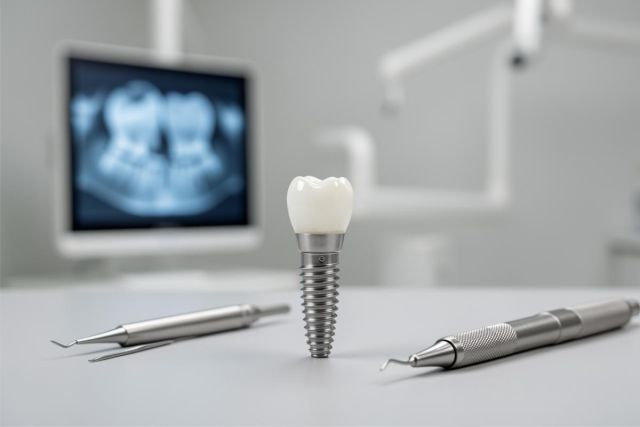
Dental crowns for implants are a reliable solution for restoring missing teeth, enhancing both functionality and aesthetics. Proper aftercare and regular dental check-ups are essential for the longevity of your implant-supported crown.
Dental Crowns for Implants: Implant-Supported Crown Treatment
Dental crowns for implants play a crucial role in restoring smiles and confidence. These implant-supported crowns offer a reliable solution for individuals with missing teeth. Many patients find themselves facing the challenges of tooth loss, which can impact day-to-day life. Opting for an implant crown can enhance both functionality and aesthetics, making it an essential consideration in modern dentistry.
Selecting the right treatment, such as a dental implant restoration, can lead to remarkable improvements in oral health. Patients should understand the various steps involved in the implant crown process. Knowing how these crowns work and what materials are available is vital for informed decision-making. Furthermore, understanding the importance of proper aftercare ensures the longevity of the implant-supported crown.
Choosing an implant restoration not only restores your smile but also promotes better oral hygiene. This process creates a stable foundation for your crown, allowing you to enjoy your favorite foods again. Engaging with a dental professional can help clarify any questions or concerns. Taking the first step towards a healthier smile begins with knowledge and awareness of your options.
Plan Your Dental Crown Consultation
Share a few details about your dental crown needs so a clinic can better understand your goals and discuss suitable options with you.
Plan Your Dental Crown Consultation
Share any preferences or timing considerations for your treatment. This helps the clinic understand what matters most to you when discussing possible plans.
Plan Your Dental Crown Consultation
Add any details you would like the dental team to consider. You can mention previous crown treatment, general preferences, or questions you want to discuss.
Contact information
Your information is only used to contact you and is never shared with third parties.
Your request has been received!
Thank you. Your information has been submitted for review, and a clinic representative can follow up about your dental crown options.
5 Key Benefits of Implant-Supported Crowns for Lasting Smiles
Implant-supported crowns provide significant advantages for individuals seeking lasting dental restoration. These crowns not only enhance the appearance of your smile but also contribute to overall oral health. Many patients appreciate the stability and functionality that come with an implant crown. These benefits make choosing an implant-supported crown an appealing option for many.
One of the primary implant crown benefits is their durability. Unlike traditional crowns, which may need replacement over time, implant-supported crowns are designed to last long-term. Made from high-quality materials, these crowns can withstand daily wear and tear effectively. Patients often find that the long-term crown implant enhances their quality of life significantly.
Another crucial advantage is the improved oral function that implant-supported crowns offer. They allow individuals to chew and speak without discomfort, restoring normal function. This enhancement contributes to better nutrition and overall health. Many patients report feeling more confident when eating their favorite foods again.
Practical takeaways include regular dental check-ups to monitor your implant-supported crown. Maintaining good oral hygiene is essential for long-lasting results. Understanding the implant crown benefits can help you appreciate the value of your investment. Consider speaking with your dentist about the best practices for caring for your new crown. Taking these steps will ensure that your smile remains bright and healthy for years to come.
Step-by-Step Guide: How the Implant Crown Procedure Works
The implant crown procedure involves several critical steps to ensure success. This comprehensive dental implant process restores functionality and aesthetics for patients. Beginning with an initial consultation, your dentist will evaluate your oral health. A tailored treatment plan will be created, focusing on your specific needs and goals.
The first major step in the implant restoration steps is placing the dental implant. During this procedure, a titanium post is surgically inserted into the jawbone. This post serves as the foundation for the crown. Over time, the post fuses with the bone in a process called osseointegration, ensuring stability for your crown implant.
Following successful integration, the next phase involves crafting the custom crown. Your dentist will take impressions of your mouth to create a crown that fits perfectly. Once the crown is ready, it is securely attached to the implant post. This step is crucial as it determines both appearance and functionality.
Practical takeaways include following your dentist’s aftercare instructions closely. Maintaining oral hygiene is vital for the longevity of your implant crown. Regular check-ups will monitor the health of your implant and crown. Engaging with your dental team throughout the process enhances your overall experience. Consider asking questions to clarify any concerns you may have about the implant crown procedure.
Vital Tips for Choosing the Right Crown Material for Implants
Choosing the right crown material for implants is crucial for long-term success. The crown implant material influences aesthetics, durability, and overall performance. Patients must consider their specific needs and preferences during this decision-making process. Evaluating the best crown for implants ensures that your restoration blends seamlessly with your natural teeth.
Porcelain and zirconia are two popular materials used in implant crowns. Porcelain offers excellent aesthetics and can closely mimic natural tooth enamel. However, zirconia is known for its strength and resistance to wear. Patients often find that the porcelain vs zirconia implant crown debate revolves around balancing aesthetic appeal and functional durability.
Another important factor to consider is the crown's location in the mouth. Front teeth typically require a more aesthetic approach, making porcelain a favorable choice. In contrast, back teeth benefit from the strength of zirconia. Discussing your specific implant restoration options with your dentist will help guide your material choice.
Practical takeaways include weighing the pros and cons of each material. Consider your lifestyle and oral habits when making your decision. Engaging in a thorough discussion with your dental professional will ensure you choose the right crown material. This proactive approach can lead to a successful and satisfying implant restoration experience.
Plan Your Dental Crown Consultation
Share a few details about your dental crown needs so a clinic can better understand your goals and discuss suitable options with you.
Plan Your Dental Crown Consultation
Share any preferences or timing considerations for your treatment. This helps the clinic understand what matters most to you when discussing possible plans.
Plan Your Dental Crown Consultation
Add any details you would like the dental team to consider. You can mention previous crown treatment, general preferences, or questions you want to discuss.
Contact information
Your information is only used to contact you and is never shared with third parties.
Your request has been received!
Thank you. Your information has been submitted for review, and a clinic representative can follow up about your dental crown options.
How to Maintain Your Implant-Supported Crown for Years of Success
Maintaining your implant-supported crown for years of success is essential for longevity. Proper implant crown aftercare helps prevent complications and promotes oral health. Patients should prioritize good oral hygiene to keep their crowns in excellent condition. Taking these steps ensures that your crown implant continues to function effectively.
Daily brushing and flossing are vital components of caring for implant restoration. Use a soft-bristled toothbrush and non-abrasive toothpaste to avoid damaging the crown. Flossing around the implant is equally important to remove food particles. Regular dental visits for professional cleanings will also help maintain your crown's integrity.
Monitoring any changes in your crown is crucial for long-lasting dental crowns. Look for signs of discomfort, loosening, or discoloration. Early detection of potential issues can lead to timely intervention. Your dental team can provide guidance on effective crown implant maintenance strategies tailored to your needs.
Practical takeaways include establishing a consistent oral hygiene routine. Regular check-ups will help monitor your implant's health and catch any issues early. Discussing any concerns with your dentist is vital for maintaining your crown. Engaging in proactive care will help ensure that your implant-supported crown remains a lasting part of your smile for years to come.
Recognizing Warning Signs: When to Seek Help for Your Implant Crown
Recognizing warning signs is crucial when it comes to your implant crown. Several implant crown problems can arise, and knowing when to seek help is essential. Patients should be aware of symptoms such as pain or swelling around the implant. Identifying these signs early can prevent more serious crown implant complications.
Pain or discomfort near the implant site is a common warning sign. This sensation may indicate infection or improper placement of the crown. Additionally, any visible swelling or redness should prompt immediate attention. Ignoring these symptoms can lead to more severe issues requiring an implant restoration emergency.
Loosening of the crown is another critical issue to monitor. If you notice any movement or instability, it is essential to contact your dentist. A loose crown may compromise the underlying implant and lead to further complications. Regular checks will help in identifying these issues early and ensuring your crown remains secure.
Practical takeaways include regularly assessing your implant for any changes. Staying alert to warning signs dental implant can save you from unnecessary pain. Engage with your dental professional if you notice anything unusual. Taking proactive steps will help maintain the health of your implant crown and overall oral well-being.
Key Takeaways
- Implant-supported crowns significantly improve oral health and restore normal function for eating and speaking.
- Choosing the right crown material, such as porcelain or zirconia, is important for aesthetics and durability.
- Maintaining good oral hygiene and following aftercare instructions are vital for the success of your implant crown.
- Patients should monitor for warning signs like pain or loosening of the crown and seek dental help if these occur.
- Regular dental visits are crucial for monitoring the health of your implant and ensuring long-lasting results.
Frequently Asked Questions
What is an implant crown and how does it work?
An implant crown is a prosthetic tooth attached to an implant. It restores function and aesthetics after tooth loss. The crown is custom-made to match your natural teeth. This solution enhances your smile and improves chewing ability.
How is the implant restoration process performed?
The implant restoration process involves multiple steps for success. First, a dental implant is surgically placed in the jawbone. After healing, a custom crown implant is attached to the implant. This process may take several months from start to finish.
When should I seek help for my implant crown?
Seek help if you experience pain or swelling around the crown. Loosening of the crown implant is another warning sign. Any visible changes or discomfort should prompt a dental visit. Early intervention can prevent complications and ensure implant success.
How do I care for my implant crown properly?
Caring for your implant crown involves regular brushing and flossing. Use a soft toothbrush to avoid damaging the crown. Routine dental check-ups are essential for monitoring implant health. Maintaining good oral hygiene will prolong the life of your crown.
Why are porcelain and zirconia popular crown implant materials?
Porcelain and zirconia are favored for their durability and appearance. Porcelain mimics natural teeth well, providing excellent aesthetics. Zirconia offers superior strength and resistance to wear. Choosing the right material depends on your specific dental needs.
The information provided is for educational purposes only and does not constitute medical advice. Always consult with a healthcare professional for medical guidance specific to your situation.