Quick answer
Dental crowns are necessary after root canal treatment to protect the weakened tooth and prevent complications. They provide essential support, sealing the tooth to avoid reinfection and fractures.
Dental Crowns After Root Canal Treatment: Why They Are Needed
Dental crowns after root canal treatment are essential for long-term tooth health. A root canal helps save a damaged tooth but often leaves it vulnerable. Without proper protection, the tooth may fracture or become reinfected. Patients must recognize the importance of fitting a dental crown after such treatment.
Choosing the right restoration, like a dental crown, is crucial for lasting results. Crowns restore strength and functionality to the tooth, allowing patients to enjoy normal activities. Various types of crowns are available, each offering unique benefits. Patients should carefully consider these options to find the best fit for their needs.
Maintaining a dental crown is equally important for overall oral health. Proper care can prolong the lifespan of the crown and protect the underlying tooth. Understanding the procedures involved and the reasons for using a crown will empower patients to make informed decisions. Knowledge about dental crowns promotes proactive dental health and ensures better outcomes.
Plan Your Dental Crown Consultation
Share a few details about your dental crown needs so a clinic can better understand your goals and discuss suitable options with you.
Plan Your Dental Crown Consultation
Share any preferences or timing considerations for your treatment. This helps the clinic understand what matters most to you when discussing possible plans.
Plan Your Dental Crown Consultation
Add any details you would like the dental team to consider. You can mention previous crown treatment, general preferences, or questions you want to discuss.
Contact information
Your information is only used to contact you and is never shared with third parties.
Your request has been received!
Thank you. Your information has been submitted for review, and a clinic representative can follow up about your dental crown options.
5 Crucial Reasons You Need a Crown After Root Canal
A crown after root canal treatment is vital for your dental health. This restoration provides essential protection for a tooth that has undergone significant treatment. After a root canal, the tooth becomes weaker and more susceptible to damage. Knowing why you need a crown will help you maintain long-term tooth protection.
One reason to get a crown is to prevent fractures. A tooth that has had a root canal may lack the strength to endure normal chewing forces. Without a crown, the risk of cracking increases significantly. This scenario can lead to further complications and additional dental treatments.
Another crucial reason involves sealing the tooth. A crown effectively protects against bacteria and debris from entering the treated area. This sealing action is essential for avoiding reinfection, a common root canal risk. By placing a crown, patients can significantly reduce the chances of needing future dental work.
Practical advice includes discussing crown options with your dentist. Various materials are available, and each has its benefits. Choosing the right crown can enhance aesthetics and durability. Prioritize a dental crown after your root canal to ensure lasting protection for your tooth and enjoy a healthy smile.
How Dental Crowns Protect and Restore Treated Teeth
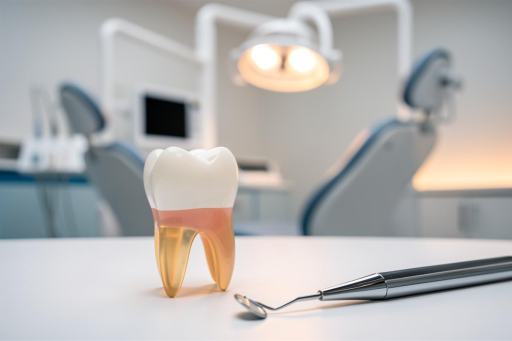
Dental crowns protect and restore treated teeth effectively after procedures like root canal therapy. These crowns cover the tooth, providing essential support and strength. By doing so, they help prevent further damage and ensure the tooth remains functional. A dental crown is crucial for maintaining tooth protection and longevity.
Tooth protection is a primary benefit of dental crowns. After a root canal, the tooth can become brittle and vulnerable to fractures. A well-fitted crown acts as a barrier against everyday biting forces. This protection significantly reduces the risk of additional dental issues and helps maintain oral health.
Sealing the tooth after root canal treatment is another vital function of crowns. Crowns seal off the tooth, preventing bacteria and food particles from entering. This sealing action is critical in avoiding reinfection, which can lead to pain and further treatments. Patients can enjoy peace of mind knowing their tooth is safeguarded.
Choosing the right crown material enhances its protective capabilities. Options like porcelain and ceramic can provide excellent aesthetics while ensuring durability. Discussing these choices with your dentist will lead to an informed decision. Prioritize a dental crown for effective root canal restoration and long-lasting tooth protection. Your smile deserves the best care possible.
Comparing Dental Crown Types: Which Is Best After Root Canal?
Comparing dental crown types is essential for optimal tooth restoration after root canal treatment. Choosing the right crown can significantly affect both aesthetics and function. Different materials offer unique advantages depending on individual needs and circumstances. Evaluating options will help you find the best crown after root canal therapy.
Porcelain crowns are a popular choice for many patients. These crowns closely resemble natural teeth, providing an excellent aesthetic appeal. Porcelain is also durable, making it suitable for front teeth restorations. However, they may be less resistant to wear compared to metal crowns, which can be a consideration for back teeth.
Metal crowns offer durability and strength, making them ideal for molars. They withstand significant biting forces, making them a reliable option. However, their appearance may not blend as well with natural teeth. The porcelain vs metal crowns debate often comes down to personal preference and specific dental needs.
Selecting the right crown involves discussing your options with your dentist. Consider your lifestyle, budget, and aesthetic preferences when making a decision. Each type of dental crown has its benefits and drawbacks. Prioritize a crown material that aligns with your needs for effective root canal restoration. Taking these steps ensures a successful outcome and a healthy smile.
Plan Your Dental Crown Consultation
Share a few details about your dental crown needs so a clinic can better understand your goals and discuss suitable options with you.
Plan Your Dental Crown Consultation
Share any preferences or timing considerations for your treatment. This helps the clinic understand what matters most to you when discussing possible plans.
Plan Your Dental Crown Consultation
Add any details you would like the dental team to consider. You can mention previous crown treatment, general preferences, or questions you want to discuss.
Contact information
Your information is only used to contact you and is never shared with third parties.
Your request has been received!
Thank you. Your information has been submitted for review, and a clinic representative can follow up about your dental crown options.
What to Expect: Step-by-Step Dental Crown Procedure
What to expect during the dental crown procedure is essential for patients. This process involves several steps to ensure successful crown placement after root canal treatment. Each phase is designed to provide comfort and effective restoration. Knowing these dental restoration steps can help alleviate any anxiety.
The initial appointment begins with a thorough examination. Your dentist will assess the tooth to determine its condition. Next, they will prepare the tooth by shaping it for the crown. This preparation often includes removing any damaged areas and smoothing the surface for better fit.
After tooth preparation, impressions are taken to create a custom crown. These impressions ensure the crown fits perfectly over the tooth. Temporary crowns may be placed while the permanent crown is fabricated. This temporary solution protects the tooth and maintains function until the final crown is ready.
Following the fabrication, a second appointment is scheduled for crown placement. Your dentist will check the fit and make necessary adjustments. Once satisfied, they will securely bond the crown in place. Prioritize open communication with your dentist throughout this process. Knowing what to expect with a dental crown procedure will help you feel confident. A well-fitted crown is crucial for a successful restoration and lasting oral health.
Essential Tips for Caring for Your Dental Crown
Essential tips for caring for your dental crown can help maintain its longevity. Proper dental crown care is crucial for ensuring your restoration lasts. With the right practices, you can protect your investment and maintain optimal oral health. Following these guidelines will lead to effective maintenance of your dental crowns.
Maintaining dental crowns starts with good oral hygiene habits. Brush your teeth at least twice a day to keep bacteria at bay. Flossing is equally important as it removes food particles between teeth. A consistent oral hygiene routine helps prevent plaque buildup around the crown.
Regular dental check-ups are vital for crown longevity. Your dentist can examine the crown and surrounding teeth for any issues. They will also provide professional cleanings to keep your smile bright. Regular visits help catch potential problems early, ensuring your crown remains in excellent condition.
Avoid hard foods that can damage your crown. Chewing on ice or hard candies can lead to fractures. Instead, focus on a balanced diet that supports dental health. Prioritize crown after root canal tips for maintaining your restoration. Taking these steps will enhance the durability of your crown and promote overall oral well-being. Your smile deserves the best care possible.
Key Takeaways
- Dental crowns restore strength and functionality to teeth that have undergone root canal treatment.
- Choosing the right crown material is important for both aesthetics and durability.
- Crowns help seal the tooth, preventing bacteria from entering and reducing the risk of reinfection.
- Maintaining good oral hygiene and regular dental check-ups is crucial for the longevity of dental crowns.
- Avoiding hard foods can help prevent damage to the crown after placement.
Frequently Asked Questions
What is a dental crown after root canal treatment?
A dental crown is a cap placed on a tooth. It restores the tooth's shape and function. After root canal treatment, it protects the vulnerable tooth. Crowns help ensure long-lasting root canal restoration.
How does a dental crown protect my tooth?
A dental crown provides essential protection for your tooth. It prevents fractures and reinfection after a root canal. The crown acts as a barrier against bacteria and damage. Proper care can enhance its effectiveness.
When should I get a crown after root canal?
A crown should be placed soon after root canal treatment. This timing enhances tooth protection and stability. Delaying crown placement can lead to complications or tooth loss. Prompt action is essential for effective root canal restoration.
Can I eat normally with a dental crown?
Yes, you can eat normally with a dental crown. However, avoid hard or sticky foods initially. This helps prevent damage to the new crown. After healing, return to your regular diet with care.
How long does a dental crown last after root canal?
A dental crown can last 10 to 15 years or longer. Its lifespan depends on material and care practices. Regular dental visits will help maintain its condition. Good oral hygiene is crucial for longevity.
The information provided is for educational purposes only and does not constitute medical advice. Always consult with a healthcare professional for medical guidance specific to your situation.