Quick answer
Dental crowns are recommended for severely damaged teeth needing support, while veneers are ideal for cosmetic enhancements. Choosing between the two depends on individual dental needs and goals.
Dental Crown vs Veneer: Differences and Treatment Selection
Dental crowns and veneers are essential options for restoring smiles. The choice between a dental crown vs veneer can greatly impact your oral health. Both treatments have unique benefits and are designed to address different dental issues. Understanding these differences is crucial for patients seeking effective solutions to enhance their smiles.
When considering the long-term effects of dental restoration, knowing when to choose a dental crown or veneer is vital. Crowns are often recommended for damaged teeth requiring significant support. On the other hand, veneers are perfect for correcting aesthetic concerns, such as discoloration or minor gaps. Each option serves a specific purpose, making it essential to evaluate personal needs carefully.
Choosing the right treatment can feel overwhelming due to the various options available. Dental restoration decisions should be based on individual circumstances and professional advice. An informed choice can lead to improved confidence and satisfaction with your smile. Explore the distinct characteristics of crowns and veneers to determine which solution aligns best with your goals.
Plan Your Dental Crown Consultation
Share a few details about your dental crown needs so a clinic can better understand your goals and discuss suitable options with you.
Plan Your Dental Crown Consultation
Share any preferences or timing considerations for your treatment. This helps the clinic understand what matters most to you when discussing possible plans.
Plan Your Dental Crown Consultation
Add any details you would like the dental team to consider. You can mention previous crown treatment, general preferences, or questions you want to discuss.
Contact information
Your information is only used to contact you and is never shared with third parties.
Your request has been received!
Thank you. Your information has been submitted for review, and a clinic representative can follow up about your dental crown options.
5 Key Differences Between Dental Crowns and Veneers
The differences between dental crowns and veneers play a crucial role in treatment selection. Both options serve distinct purposes in dental restoration. Crowns provide extensive coverage for damaged teeth, while veneers offer a cosmetic enhancement. Recognizing these differences helps patients make informed decisions.
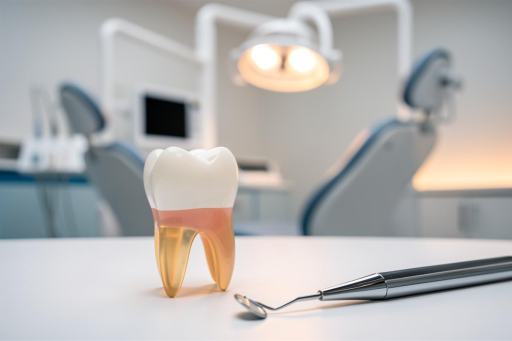
Dental crowns are designed to encase the entire tooth structure. This treatment is ideal for teeth that are cracked or extensively decayed. A dental crown can restore function and strength effectively. Patients with severe damage often benefit from this protective solution.
Veneers, on the other hand, focus primarily on aesthetics. They are thin shells that cover the front surface of teeth. This treatment is perfect for individuals seeking to improve their smile's appearance. Issues like discoloration, gaps, or minor misalignments can be addressed with veneers. Their minimally invasive nature makes them a popular choice for cosmetic improvements.
Selecting between a crown vs veneer ultimately depends on individual needs. For damaged teeth, a crown is often the best option. If the goal is cosmetic enhancement, veneers are typically recommended. Consulting with a dental professional ensures a personalized approach to dental restoration. Explore which option aligns with your goals for an improved smile.
When to Choose a Dental Crown: Signs and Scenarios
Knowing when to choose a dental crown is essential for effective treatment. Crowns are often recommended for teeth that are severely damaged or decayed. They provide comprehensive coverage and restore functionality to affected teeth. Recognizing the signs for a dental crown can greatly improve your dental health.
A dental crown for damaged teeth is ideal when large fillings are present. If a tooth has undergone root canal treatment, a crown is often necessary. This helps protect the remaining tooth structure and prevents fractures. Severe wear or trauma is another clear indication for considering a crown.
Patients experiencing significant cracks or chips in their teeth should also consider crowns. These restorations can restore both appearance and function. Additionally, dental crowns can support dental bridges, ensuring stability in multiple tooth replacements. Evaluating these scenarios is vital in determining the right treatment.
Consulting with a dental professional is crucial for making the right decision. They can assess your dental restoration needs and recommend the best option. If you suspect your tooth might require a crown, do not hesitate to seek expert advice. Taking action now can lead to a healthier smile in the future.
Veneers for a Stunning Smile: Cosmetic Benefits Explained
Veneers for a stunning smile offer remarkable cosmetic benefits. These thin shells can transform teeth by improving their appearance. Many people choose veneers to correct issues like discoloration, gaps, or minor misalignments. The result is a beautiful, natural-looking smile that boosts confidence.
One of the primary veneers cosmetic benefits is their ability to conceal imperfections. Discolored teeth can significantly affect one's self-esteem. By applying veneers, patients can achieve a uniform, white smile that lasts. This option is less invasive than other cosmetic treatments, making it appealing for many individuals.
Best candidates for veneers include those with healthy teeth seeking aesthetic improvements. For example, individuals with minor chips or gaps often find veneers ideal. They provide a quick solution without extensive dental work. Additionally, veneers resist staining, ensuring long-lasting results compared to traditional whitening methods.
Exploring dental veneers comparison reveals a multitude of advantages. They provide an effective way to enhance your smile with minimal discomfort. If you desire a more attractive smile, consider consulting a dental professional for personalized advice. Taking this step can lead to a stunning transformation that enhances your overall appearance.
Plan Your Dental Crown Consultation
Share a few details about your dental crown needs so a clinic can better understand your goals and discuss suitable options with you.
Plan Your Dental Crown Consultation
Share any preferences or timing considerations for your treatment. This helps the clinic understand what matters most to you when discussing possible plans.
Plan Your Dental Crown Consultation
Add any details you would like the dental team to consider. You can mention previous crown treatment, general preferences, or questions you want to discuss.
Contact information
Your information is only used to contact you and is never shared with third parties.
Your request has been received!
Thank you. Your information has been submitted for review, and a clinic representative can follow up about your dental crown options.
How to Decide: Crown or Veneer? Expert-Backed Checklist
Deciding between a crown or veneer can be challenging. An expert-backed checklist can simplify this crown or veneer decision. Each treatment serves a distinct purpose, and evaluating your needs is essential. Knowing the differences helps in making an informed choice regarding dental restoration.
Evaluate the condition of your teeth as the first step. If a tooth is severely damaged or decayed, a dental crown is often necessary. Crowns provide extensive support and protection. In contrast, veneers are best suited for cosmetic improvements, such as discoloration or minor gaps.
Consider your long-term goals when choosing dental treatment. If you aim for a functional solution, crowns are ideal. For purely aesthetic purposes, veneers may be more appropriate. Both options have unique benefits, so clarify your priorities before deciding.
Consulting a dental professional for expert dental restoration advice is crucial. They can guide you through the dental crown vs veneer checklist effectively. Taking the time to assess your situation can lead to the best outcome. Reach out to your dentist today to discuss your options for a healthier, more beautiful smile.
Treatment Process: What to Expect from Crowns and Veneers
The treatment process for crowns and veneers can vary significantly. Knowing what to expect from crowns or veneers helps reduce anxiety. Both procedures are designed to improve dental health and aesthetics. Each option involves specific steps that ensure successful results.
The dental crown procedure steps typically involve multiple visits. During the first appointment, the dentist prepares the tooth for the crown. They will reshape the tooth and take impressions for the custom crown. A temporary crown may be placed while the permanent one is created.
In contrast, the veneer treatment process is less invasive. The dentist will prepare the tooth by removing a small amount of enamel. After this, they will take impressions to craft the veneer. Patients often receive temporary veneers while waiting for the final product to be ready.
Preparing for either treatment involves discussing your dental restoration process with your dentist. They will explain the steps and address any concerns you may have. Knowing what to expect can help you feel more comfortable and confident. Schedule your consultation today to discuss crowns or veneers and achieve a healthier smile.
Key Takeaways
- Dental crowns provide extensive coverage for damaged or decayed teeth, restoring both function and strength.
- Veneers are thin shells that improve the appearance of healthy teeth, addressing issues like discoloration and minor gaps.
- Consulting with a dental professional is crucial for determining whether a crown or veneer is the best option for your situation.
- Patients with severely cracked or chipped teeth should consider crowns for effective restoration.
- The treatment process for crowns involves multiple visits, while veneers require less invasive preparation.
Frequently Asked Questions
What are the main differences between crowns and veneers?
Crowns cover the entire tooth while veneers only cover the front. Crowns are ideal for damaged teeth needing support. Veneers improve the appearance of healthy teeth. Each option serves a distinct dental restoration purpose.
How do I choose between a crown or veneer?
Consider the condition of your teeth when deciding. If a tooth is severely damaged, a crown is often necessary. For cosmetic improvements, veneers are typically the better choice. Consulting with a dental professional can clarify your options.
When is a dental crown the best option?
A dental crown is best for severely cracked or decayed teeth. It provides extensive support and protection for the tooth. Crowns are also used after root canal treatments. They ensure the tooth remains functional and healthy.
What is the process for getting dental veneers?
The process for getting veneers involves multiple appointments. First, the dentist prepares the tooth by removing a small amount of enamel. Impressions are taken to create custom veneers. Temporary veneers may be placed while waiting for the final product.
Can veneers improve my smile's appearance?
Yes, veneers can significantly enhance your smile's appearance. They cover imperfections such as discoloration and gaps. Many patients choose veneers for a stunning smile makeover. Discussing your goals with a dentist ensures the best results.
The information provided is for educational purposes only and does not constitute medical advice. Always consult with a healthcare professional for medical guidance specific to your situation.