Quick answer
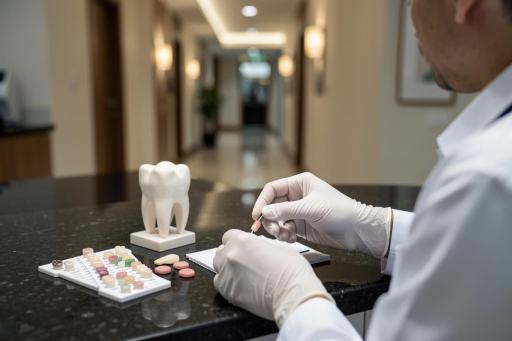
The dental crown procedure involves several steps, including tooth examination, shaping, and final placement of the crown. Proper care during the temporary crown phase and following post-procedure instructions are essential for a successful outcome.
Dental Crown Procedure: Preparation, Temporary Crown, and Final Placement
Dental crowns are a vital part of restorative dentistry. The dental crown procedure can restore the function and appearance of damaged teeth. Many patients face situations where a crown is essential for maintaining oral health. Understanding the process ensures a smoother experience and better outcomes.
Preparing for a dental crown involves multiple steps, including tooth examination and imaging. These essential steps help create a precise fit, ensuring lasting comfort and durability. Temporary crowns play an important role during this period, protecting your tooth while the final crown is crafted. Knowing how to care for a temporary crown helps prevent complications and discomfort.
Final crown placement is a careful process that guarantees an optimal fit. Dentists focus on color matching and adjustments to enhance your smile. Following the procedure, proper care is crucial for the longevity of your dental crown. Staying informed about each stage of the process empowers patients to make confident decisions regarding their dental health.
Plan Your Dental Crown Consultation
Share a few details about your dental crown needs so a clinic can better understand your goals and discuss suitable options with you.
Plan Your Dental Crown Consultation
Share any preferences or timing considerations for your treatment. This helps the clinic understand what matters most to you when discussing possible plans.
Plan Your Dental Crown Consultation
Add any details you would like the dental team to consider. You can mention previous crown treatment, general preferences, or questions you want to discuss.
Contact information
Your information is only used to contact you and is never shared with third parties.
Your request has been received!
Thank you. Your information has been submitted for review, and a clinic representative can follow up about your dental crown options.
5 Vital Steps in Dental Crown Preparation
Dental crown preparation is essential for ensuring a successful dental crown procedure. This process involves specific steps that help create a durable, comfortable fit for your crown. Each step plays a crucial role in the overall outcome and effectiveness of the treatment.
The initial step involves a thorough dental examination. Your dentist evaluates the condition of the affected tooth and surrounding tissues. Imaging techniques such as X-rays provide valuable insights into the tooth’s structure. This assessment is vital for planning the necessary tooth shaping that will occur later in the procedure.
Once the examination is complete, tooth shaping begins. This step requires careful removal of any decay and the reshaping of the tooth. Shaping helps create enough space for the crown to fit securely. A well-shaped tooth is essential for the longevity and stability of the dental crown.
After shaping, detailed impressions are taken for accurate crown fabrication. These impressions ensure that the crown fits precisely over the prepared tooth. Your dentist may place a temporary crown to protect the tooth while waiting for the final crown. Following these vital steps in dental crown preparation will lead to a smoother overall experience.
Patients should remain informed and engaged throughout the dental crown procedure. Knowing what to expect helps alleviate anxiety and promotes better outcomes. Consult your dentist if you have any questions about the preparation process.
What to Expect During Tooth Shaping and Impression Taking
What to expect during tooth shaping and impression taking is crucial for patients. This step is essential in the dental crown procedure. Proper tooth shaping prepares your tooth for the crown and ensures a secure fit. Clear communication during this phase helps alleviate anxiety.
Tooth shaping for the crown begins with local anesthesia. This numbs the area around the affected tooth, ensuring comfort during the process. Your dentist carefully removes any decay and reshapes the tooth, creating space for the crown. This shaping is critical for achieving the ideal fit of the dental crown.
After tooth shaping, dental impressions are taken to ensure accuracy. Dentists use special materials to create a detailed mold of your tooth. These impressions help in crafting a crown that fits perfectly. Accurate impressions are crucial for the crown procedure steps that follow, as they affect the final result significantly.
Patients should be prepared for some time in the dental chair. It is essential to communicate any discomfort during the process. After shaping and impressions, a temporary crown will be placed if needed. Knowing what to expect can make the experience smoother and more comfortable. Always ask your dentist about any concerns regarding tooth shaping and impressions.
Temporary Crown: Crucial Care Tips to Protect Your Tooth
Temporary crown care is essential after your dental crown procedure. A temporary crown protects your tooth while waiting for the final crown. Proper care helps prevent issues that could lead to discomfort or damage.
Avoid hard and sticky foods during the temporary crown period. Eating soft foods minimizes stress on the temporary crown, reducing the risk of dislodgment. If you notice any problems with temporary crowns, such as discomfort or looseness, contact your dentist immediately. Timely communication is crucial in ensuring your tooth remains protected throughout this phase.
Maintaining good oral hygiene is vital while you have a temporary crown. Brush gently around the crown area using a soft-bristled toothbrush. Floss carefully to avoid dislodging the crown while cleaning between teeth. This diligent care helps preserve your tooth's health and the integrity of the temporary crown.
Patients should prioritize following these care tips for their temporary crown. Taking simple precautions can greatly enhance your comfort and the crown's effectiveness. If you have any concerns, consult your dentist for personalized advice. Staying informed empowers you to protect your temporary crown effectively.
Final Crown Placement: How Dentists Ensure a Perfect Fit
Final crown placement is a critical step in the dental crown procedure. This process guarantees that your permanent crown fits comfortably and functions well. Dentists focus on several factors to ensure optimal results during the dental crown fitting.
Plan Your Dental Crown Consultation
Share a few details about your dental crown needs so a clinic can better understand your goals and discuss suitable options with you.
Plan Your Dental Crown Consultation
Share any preferences or timing considerations for your treatment. This helps the clinic understand what matters most to you when discussing possible plans.
Plan Your Dental Crown Consultation
Add any details you would like the dental team to consider. You can mention previous crown treatment, general preferences, or questions you want to discuss.
Contact information
Your information is only used to contact you and is never shared with third parties.
Your request has been received!
Thank you. Your information has been submitted for review, and a clinic representative can follow up about your dental crown options.
The fitting process begins with careful assessment of the prepared tooth. Dentists will place the crown on the tooth to check its alignment and comfort. They assess how the crown interacts with neighboring teeth and your bite. Adjustments may be necessary to achieve the perfect fit before moving to the crown cementing process.
Once satisfied with the fit, the dentist will prepare for cementing. A dental adhesive is applied to secure the crown in place. This cementing process guarantees longevity and stability for your crown. The dentist will provide instructions for post-placement care to ensure your crown remains in excellent condition.
Patients should be proactive during the final crown placement. Communicate any discomfort or concerns about the fit immediately. Following care instructions helps maintain the crown's integrity over time. Stay engaged with your dental team to ensure long-lasting results and a beautiful smile.
Top 7 Post-Procedure Tips for a Smooth Recovery
Dental crown recovery tips are essential for a successful healing process. After crown procedure care is critical for comfort and longevity. Knowing how to manage your recovery sets the stage for optimal results.
Follow your dentist's crown care instructions carefully. Avoid hard and sticky foods that may damage the crown. Soft foods are best during the initial recovery phase. This simple adjustment can help prevent complications and ensure your crown remains intact.
Maintain good oral hygiene while you recover. Gently brush your teeth, especially around the crown area. Floss carefully to avoid dislodging the crown while cleaning. Staying diligent with your dental care promotes a long-lasting dental crown.
Monitor any discomfort or sensitivity after the procedure. Mild pain can be managed with over-the-counter pain relievers. If discomfort persists, contact your dentist for further advice. Staying proactive helps address any issues before they escalate.
Patients should prioritize these dental crown recovery tips for a smooth healing process. Proper care and attention can significantly enhance your recovery experience. Always consult your dental team if you have questions or concerns about your recovery. This engagement ensures that your new crown remains functional and aesthetically pleasing.
Key Takeaways
- Dental crowns restore the function and appearance of damaged teeth, making them crucial for oral health.
- Tooth shaping and accurate impressions are vital for ensuring a proper fit for the dental crown.
- Temporary crowns protect the tooth while waiting for the final crown, and proper care is necessary to avoid complications.
- Patients should communicate any discomfort during the procedure and follow their dentist's post-placement care instructions.
- Monitoring for prolonged discomfort or sensitivity after crown placement is important, and patients should reach out to their dentist if issues arise.
Frequently Asked Questions
What is the dental crown procedure like?
The dental crown procedure involves several important steps. Initially, the dentist examines the affected tooth. Next, the tooth is shaped to accommodate the crown. Finally, a permanent crown is placed for protection.
How long do I need to wear a temporary crown?
A temporary crown is typically worn for two to three weeks. This allows time for the permanent crown to be made. During this time, it is crucial to protect the temporary crown. Avoid hard or sticky foods to prevent damage.
How is the crown placement done by the dentist?
Crown placement involves several precise steps by the dentist. After ensuring a proper fit, the crown is cemented onto the tooth. Dentists check the bite and alignment for comfort. Proper placement ensures the crown functions well.
When should I contact my dentist after crown placement?
Contact your dentist if you experience prolonged discomfort. Persistent sensitivity or a loose crown may also require attention. Early intervention can help avoid further issues. Regular check-ups are essential for maintaining dental health.
Can I eat normally after getting a dental crown?
Eating habits may change temporarily after receiving a dental crown. Soft foods are recommended immediately after the procedure. Hard or sticky foods should be avoided for a few days. Following your dentist's advice promotes a smooth recovery.
The information provided is for educational purposes only and does not constitute medical advice. Always consult with a healthcare professional for medical guidance specific to your situation.