Quick answer
If a clear aligner does not fit, stops tracking, cracks, or gets lost, immediate action is essential to minimize disruption to your treatment. Contact your orthodontist for guidance tailored to your specific situation.
What If a Clear Aligner Does Not Fit, Stops Tracking, Cracks, or Gets Lost?
Clear aligners are a popular orthodontic solution for achieving a straighter smile. When issues arise, such as when a clear aligner does not fit properly, it can lead to frustration and anxiety. Recognizing the importance of addressing these problems quickly is vital for maintaining treatment progress. Many patients encounter challenges like aligner tracking problems, cracked trays, or even lost aligners during their journey. Knowing how to respond to these situations can help ensure effective and timely care.
Immediate action is crucial if you find yourself facing a lost or broken clear aligner. Taking the correct steps can prevent delays and minimize disruption to your treatment plan. Whether you are dealing with a cracked aligner or tracking issues, understanding how to address each challenge is essential. Clear aligners, while beneficial, require active participation and care from patients to achieve the desired results.
Maintaining proper aligner hygiene and following your orthodontist's instructions can prevent many common issues. Being proactive in your care routine makes a significant difference in your overall orthodontic experience. If problems arise, knowing how to navigate them will keep you on the path to a successful outcome. Continue reading to discover strategies for managing aligner issues effectively.
Explore Clear Aligner Treatment Options
Share a few details about your orthodontic goals so providers can better understand what you are looking for.
Explore Clear Aligner Treatment Options
Your previous orthodontic experience can help providers understand your background. Select the answer that best describes you.
Explore Clear Aligner Treatment Options
These questions help providers understand your preferences and any details you would like to discuss. Answer in your own words where appropriate.
Contact information
Your information is only used to contact you and is never shared with third parties.
Your request has been received!
Thank you. Your information has been submitted for review by participating providers.
5 Vital Steps When Your Clear Aligner Does Not Fit Properly
When your clear aligner does not fit properly, it can disrupt your treatment. A proper fit is essential for effective tooth movement. If the aligner feels tight or loose, addressing the issue is crucial. Timely clear aligner troubleshooting helps maintain your orthodontic progress.
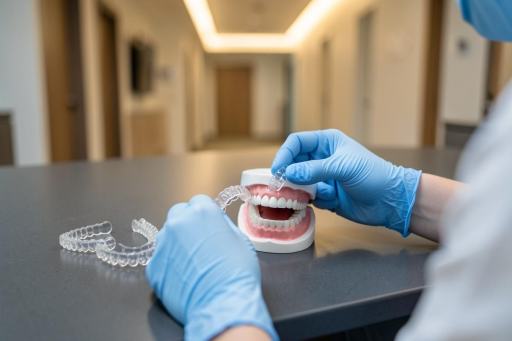
Start by checking the aligner's seating. Ensure the aligner is completely seated over your teeth. If it is not fitting snugly, gently use your fingers to position it correctly. This simple step often resolves minor fitting issues and aids in aligning your teeth effectively.
Next, assess the condition of your aligner. Look for any signs of cracks or damage. A damaged aligner can lead to improper fit and tracking problems. If the aligner feels tight, it may indicate that you need to adjust your wear schedule. Contacting your orthodontist for advice is a wise next step.
If you find that the aligner still does not fit after these checks, do not hesitate to reach out to your orthodontist. They can provide specific guidance tailored to your needs. Knowing what to do if the aligner does not fit properly helps you stay on track. Maintaining open communication with your provider is essential for successful treatment.
Troubleshooting Aligner Tracking Problems: How to Get Back on Track
Troubleshooting aligner tracking problems is essential for successful orthodontic treatment. When your clear aligner is not tracking correctly, it can hinder progress. Recognizing the signs early is key to maintaining your treatment timeline. Prompt action can prevent further complications and help you stay on course.
Begin by assessing your aligner's fit. If your aligner feels loose or does not sit properly, this could impact tracking. Ensure that your aligner is fully seated over your teeth. Correct seating is vital to avoid issues like the aligner not tracking properly.
Next, evaluate your wear time. Missing hours can lead to alignment issues. If you are not wearing your aligner for the recommended 20-22 hours daily, this may explain your tracking problems. Establish a routine to ensure consistent wear and avoid disruptions.
If you continue to experience issues, consult your orthodontist. They can provide personalized guidance tailored to your situation. Knowing how to fix aligner tracking effectively is crucial to successful treatment. Open communication with your orthodontist is essential for navigating any challenges.
What To Do When Your Clear Aligner Cracks or Breaks
What to do when your clear aligner cracks or breaks is crucial for treatment. A broken clear aligner can cause delays and affect your progress. Taking swift action ensures you stay on track with your orthodontic treatment. Being prepared can help you manage this unexpected situation effectively.
First, assess the damage to your aligner. If you notice a crack, avoid using it until you consult your orthodontist. A cracked aligner can lead to improper tooth movement if worn. Contacting your provider immediately is essential for proper clear aligner repair.
Next, consider temporary solutions if your aligner is broken. If the aligner is still somewhat intact, you might be able to continue wearing it until your orthodontist provides a replacement. However, do not wear a damaged aligner for an extended period. This could lead to complications and misalignment.
Ultimately, always have a backup plan in place. Discuss with your orthodontist what to do if an aligner cracks. Knowing how to handle these situations will help you stay on course. Regularly check your aligners for any signs of damage to prevent issues. Taking proactive steps can make a significant difference in your orthodontic journey.
Explore Clear Aligner Treatment Options
Share a few details about your orthodontic goals so providers can better understand what you are looking for.
Explore Clear Aligner Treatment Options
Your previous orthodontic experience can help providers understand your background. Select the answer that best describes you.
Explore Clear Aligner Treatment Options
These questions help providers understand your preferences and any details you would like to discuss. Answer in your own words where appropriate.
Contact information
Your information is only used to contact you and is never shared with third parties.
Your request has been received!
Thank you. Your information has been submitted for review by participating providers.
Lost Clear Aligner? Essential Tips to Stay on Track
Lost clear aligner? This situation can disrupt your orthodontic journey. Taking immediate action is crucial to minimize delays. Knowing what to do if an aligner is lost can help you stay on track with your treatment plan.
Start by checking your surroundings thoroughly. Retrace your steps to find your missing aligner. Look in common places like your bathroom, car, or office. This initial search can sometimes yield quick results and save time.
If you cannot find your aligner, contact your orthodontist as soon as possible. They can provide guidance on the next steps, including a clear aligner replacement. In some cases, you may need to revert to your previous aligner until a replacement arrives. This ensures that tooth movement continues without significant interruption.
Proactive measures can help prevent future losses. Keep your aligners in a designated case when not in use. Establishing a routine for storing your aligners minimizes the chance of misplacing them. Staying organized is key to successful treatment. Take these steps to manage missing aligners effectively and maintain your progress.
How to Prevent Clear Aligner Issues: Pro Tips for Success
How to prevent clear aligner issues is essential for successful treatment. Taking proactive steps ensures a smoother orthodontic journey. Being aware of potential problems can help you maintain progress and avoid complications. Implementing effective clear aligner care tips is crucial for achieving optimal results.
Start by maintaining good oral hygiene. Brush and floss your teeth before inserting your aligners. This practice prevents food particles from getting trapped, which can lead to discomfort. Regular cleaning of your aligners is also vital to avoid bacteria buildup.
Next, adhere to your orthodontist's wear schedule. Missing hours can lead to tracking problems and misalignment. It's essential to wear your aligners for the recommended 20-22 hours daily. Establish a routine to incorporate aligner maintenance into your daily life.
Finally, be mindful of how you handle your aligners. Always store them in their case when not in use. Avoid placing them in napkins or leaving them exposed. Knowing how to avoid aligner issues will help you stay on track. Taking these steps ensures a successful orthodontic experience and a confident smile.
Key Takeaways
- Check the fit of your aligner to ensure it is properly seated over your teeth.
- If your aligner is cracked or damaged, avoid using it and consult your orthodontist immediately.
- Maintain good oral hygiene and follow your orthodontist's wear schedule to prevent tracking problems.
- If you lose an aligner, thoroughly search your surroundings and contact your orthodontist for a replacement if necessary.
- Store your aligners in a designated case when not in use to avoid misplacing them.
Frequently Asked Questions
What should I do if my clear aligner is not fitting?
Check if the aligner is properly seated on your teeth. Ensure that you are wearing it for the correct duration. If issues persist, contact your orthodontist for guidance. They can provide solutions for clear aligner not fitting properly.
How can I solve aligner tracking problems effectively?
Begin by examining the fit of your aligner. Ensure that you wear it for at least 20 hours daily. If tracking issues continue, consult your orthodontist. They can help address any aligner tracking problems you may have.
What are the steps if I lost or broken clear aligner?
First, search your surroundings thoroughly for the lost aligner. If you cannot find it, contact your orthodontist immediately. They will advise on the best approach and provide a replacement. Acting quickly helps minimize treatment delays.
How do I prevent issues with my clear aligners?
Maintain good oral hygiene to avoid complications. Follow your orthodontist's instructions regarding wear time. Store your aligners in their case when not in use. These steps help prevent clear aligner problems from occurring.
When should I contact my orthodontist about my aligner?
Contact your orthodontist if the aligner does not fit properly. If you experience any discomfort or pain, reach out for advice. Reporting issues with lost or broken clear aligners promptly is essential. Open communication ensures a successful treatment experience.
The information provided is for educational purposes only and does not constitute medical advice. Always consult with a healthcare professional for medical guidance specific to your situation.