Quick answer
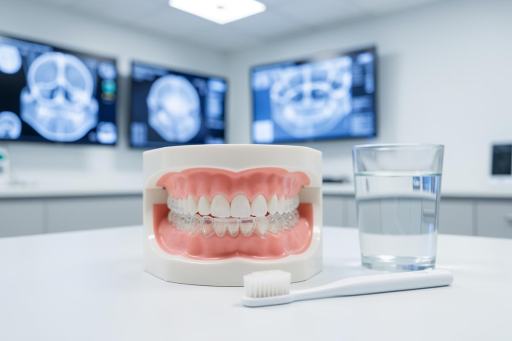
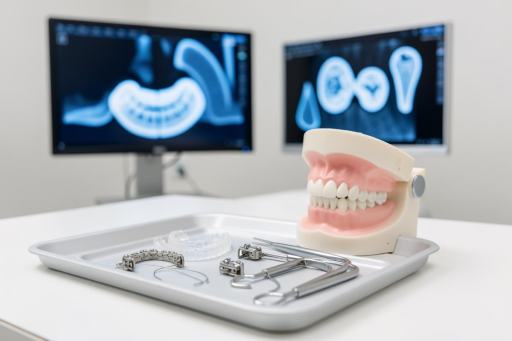
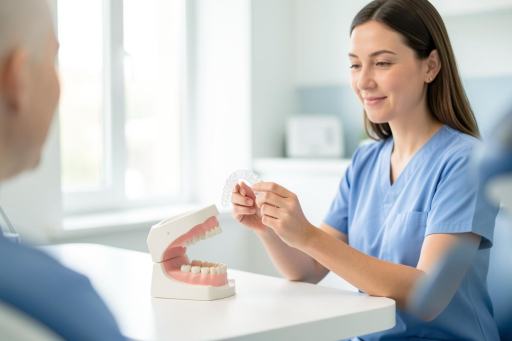
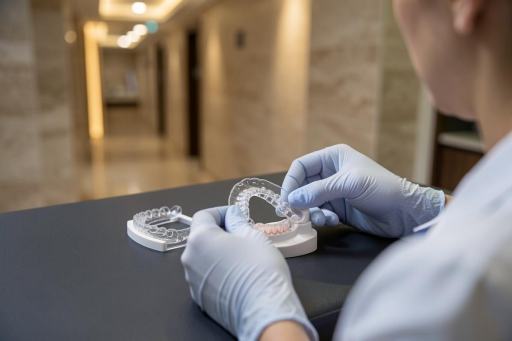
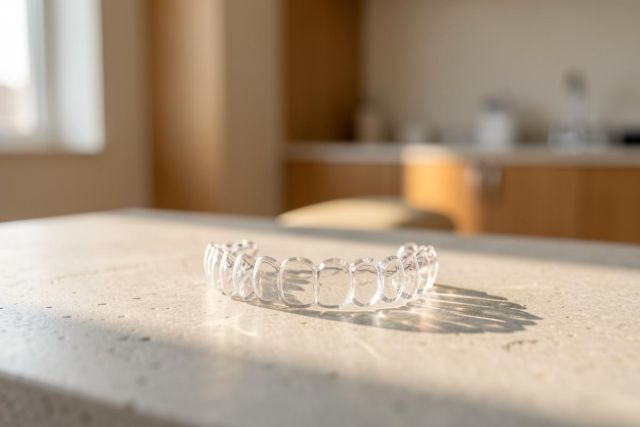
Clear aligners are custom-made, removable trays designed to gradually straighten teeth. They offer a discreet and comfortable alternative to traditional metal braces for various orthodontic issues.
What Are Clear Aligners? How They Move Teeth and What Orthodontic Problems They Can Treat
Clear aligners are becoming a popular choice for patients seeking effective teeth straightening solutions. These innovative orthodontic devices offer a discreet alternative to traditional metal braces. Many individuals appreciate the ability to improve their smiles without the visibility of conventional braces. As the demand for clear aligners increases, understanding what they are and how they work becomes crucial for informed decisions.
The process of clear aligner treatment involves gradual teeth movement, making it easier for patients to achieve their desired results. Many people wonder how do clear aligners work, especially compared to other orthodontic options. Aligners are designed to apply gentle pressure to teeth, promoting movement over time. This method not only enhances comfort but also provides flexibility in daily life.
Patients can also consider the various orthodontic problems clear aligners can treat effectively. Issues such as overcrowded teeth, gaps, and misalignment can often be addressed with this method. Clear aligners present a modern solution for anyone looking to enhance their smile with minimal disruption to their daily routine. Continue reading to discover the essential information about clear aligners and their benefits.
Explore Clear Aligner Treatment Options
Share a few details about your orthodontic goals so providers can better understand what you are looking for.
Explore Clear Aligner Treatment Options
Your previous orthodontic experience can help providers understand your background. Select the answer that best describes you.
Explore Clear Aligner Treatment Options
These questions help providers understand your preferences and any details you would like to discuss. Answer in your own words where appropriate.
Contact information
Your information is only used to contact you and is never shared with third parties.
Your request has been received!
Thank you. Your information has been submitted for review by participating providers.
5 Essential Facts About Clear Aligners for Straight Teeth
Clear aligners are transforming orthodontic care for many patients. What are clear aligners? They are custom-made, removable trays designed to straighten teeth. These innovative devices offer a more comfortable and discreet alternative to traditional braces. Many people find clear aligner basics appealing as they provide a modern approach to achieving straight teeth.
Clear aligners work by gradually shifting teeth into their desired positions. Each set of aligners is worn for about two weeks before switching to the next. This process applies gentle pressure, which leads to effective teeth movement over time. Many patients appreciate how clear aligners can treat various orthodontic issues, including overcrowding and spacing problems.
The benefits of clear aligners extend beyond aesthetics. They are removable, making oral hygiene easier compared to metal braces. Patients can enjoy meals and snacks without restrictions. Additionally, aligners typically require fewer visits to the orthodontist, offering greater convenience. This efficiency can be a significant factor for busy individuals.
Choosing clear aligners can lead to a more confident smile. Straight teeth with aligners not only enhance appearance but also improve oral health. Patients should consider discussing their options with a qualified orthodontist. Taking the first step toward a straighter smile is easier than ever. Explore the possibilities that clear aligners offer for your dental journey.
How Do Clear Aligners Move Teeth? The Science Explained
How do clear aligners move teeth? The science behind this process is intriguing and effective. Clear aligners apply controlled pressure to teeth, guiding them into better positions. This method makes the clear aligner treatment process efficient and precise.
Teeth movement with aligners relies on the biological response of the periodontal ligament. When pressure is applied to a tooth, the surrounding bone begins to remodel. This allows the tooth to shift gradually. As patients wear each set of aligners, they experience this gentle force, leading to successful orthodontic tooth movement.
Clear aligners are designed to be changed every few weeks. Each new aligner is slightly different from the previous one. This gradual change keeps the teeth moving toward the desired position. Many patients find this approach comfortable compared to traditional braces, which can create discomfort.
Choosing clear aligners can significantly enhance your smile. The clear aligner treatment process is straightforward and manageable. Patients should wear their aligners for at least 22 hours daily for optimal results. Taking this commitment seriously will lead to a successful outcome. Consider discussing clear aligners with your orthodontist to explore this effective option.
Top 7 Orthodontic Problems Clear Aligners Can Fix
Top 7 orthodontic problems clear aligners can fix are diverse and common. These innovative devices can effectively address various dental issues. Many patients benefit from clear aligners for gaps and misalignment. Their effectiveness makes them a popular choice for orthodontic treatment.
Crowded teeth are a frequent concern for many individuals. Aligners for crowded teeth work by gradually shifting teeth into proper positions. This gradual movement helps create space, improving overall alignment. Patients often enjoy the comfort and convenience of clear aligners during this process.
Another common issue is spacing between teeth. Clear aligners for gaps can effectively close unwanted spaces. They gently pull teeth closer together, creating a more uniform smile. This gentle, consistent pressure results in a more aesthetically pleasing appearance.
Overbite and underbite conditions can also be treated effectively. Misalignments are often corrected through the precise adjustments provided by aligners. Many patients appreciate how these devices can address complex orthodontic problems without braces.
Choosing clear aligners can lead to significant improvements in dental health. Patients experiencing any of these common orthodontic issues should consult an orthodontist. They can discuss the long-tail orthodontic treatment options available. Taking action now can lead to a confident smile in the future.
Explore Clear Aligner Treatment Options
Share a few details about your orthodontic goals so providers can better understand what you are looking for.
Explore Clear Aligner Treatment Options
Your previous orthodontic experience can help providers understand your background. Select the answer that best describes you.
Explore Clear Aligner Treatment Options
These questions help providers understand your preferences and any details you would like to discuss. Answer in your own words where appropriate.
Contact information
Your information is only used to contact you and is never shared with third parties.
Your request has been received!
Thank you. Your information has been submitted for review by participating providers.
Why Choose Clear Aligners? Vital Benefits for Adults and Teens
Why choose clear aligners? Vital benefits for adults and teens make this option appealing. Clear aligners provide a modern way to straighten teeth discreetly. Many individuals appreciate the aesthetic advantages of invisible braces.
Comfort of clear aligners is another significant factor. Unlike traditional braces, aligners are smooth and do not irritate gums. Patients often find them more comfortable for daily wear. This comfort makes clear aligners a preferred choice for many seeking orthodontic treatment.
Flexibility is another advantage that clear aligners offer. Individuals can easily remove them for eating or special occasions. This feature allows for better oral hygiene compared to braces. Many patients enjoy the freedom of eating their favorite foods without restrictions.
Choosing clear aligners can lead to a healthier smile. Adults and teens aligners provide an effective solution for misaligned teeth. Consulting an orthodontist can help determine if clear aligners are right for you. Taking action now can set the stage for a more confident future.
How to Get the Best Results from Your Clear Aligner Treatment
How to get the best results from your clear aligner treatment involves commitment and care. Following specific clear aligner treatment tips can significantly enhance your results. Many patients benefit from adhering strictly to their aligner wear schedule. Consistency is key to achieving effective teeth movement.
Wearing aligners for at least 22 hours daily is crucial. Removing them only for meals and oral hygiene helps ensure effectiveness. Skipping wear time can delay your progress and extend treatment duration. Many individuals find it helpful to set reminders to stay on track.
Maintaining proper oral hygiene is essential during treatment. Brushing and flossing regularly will help prevent cavities and gum issues. Rinsing aligners before putting them back in also keeps them clean. Patients often notice improved comfort and fit with clean aligners.
Achieving clear aligner success is within reach with dedication. Following the recommended clear aligner treatment tips will lead to a confident smile. Consult your orthodontist regularly to monitor progress and make adjustments. Taking proactive steps today will pave the way for an exceptional smile tomorrow.
Key Takeaways
- Clear aligners apply gentle pressure to teeth, promoting gradual movement for effective treatment.
- Patients should wear aligners for at least 22 hours daily to achieve optimal results.
- Clear aligners can effectively treat issues such as overcrowding, gaps, and misalignment.
- Maintaining proper oral hygiene during treatment is essential to prevent cavities and gum problems.
- Consulting an orthodontist is important to determine if clear aligners are suitable for your specific orthodontic needs.
Frequently Asked Questions
What are clear aligners and how do they work?
Clear aligners are custom-made trays designed to straighten teeth. They work by applying gentle pressure to move teeth gradually. Most patients wear each aligner for about two weeks. Regularly changing aligners helps achieve the desired results effectively.
How to care for my clear aligners properly?
Caring for clear aligners involves regular cleaning and maintenance. Rinse them with water before putting them back in your mouth. Brush aligners gently with a soft toothbrush to remove plaque. Avoid using hot water which can warp the material.
When can I expect results from clear aligner treatment?
Results from clear aligner treatment vary by individual. Most patients notice changes in their smile within a few weeks. Completing the full treatment plan usually takes several months. Regular check-ins with your orthodontist will help monitor progress.
Can clear aligners fix severe orthodontic issues?
Clear aligners can address many orthodontic problems, including mild to moderate cases. However, severe issues may require traditional braces for optimal results. Your orthodontist can evaluate your specific situation and recommend the best option. Always discuss your concerns during your consultation.
Is there a difference between clear aligners and traditional braces?
Yes, clear aligners are removable and more discreet than traditional braces. They do not use metal brackets or wires, making them less noticeable. Aligners are often more comfortable and easier to clean. Both options can effectively straighten teeth but cater to different preferences.
The information provided is for educational purposes only and does not constitute medical advice. Always consult with a healthcare professional for medical guidance specific to your situation.