Quick answer
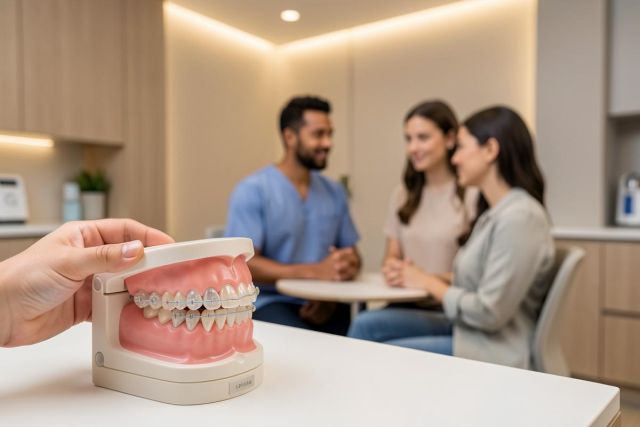
Clear aligner attachments, buttons, and elastics are essential components that enhance the effectiveness of clear aligners in orthodontic treatment. They help improve tooth movement and can lead to faster results and increased satisfaction with the treatment outcomes.
Clear Aligner Attachments, Buttons, and Elastics: Why They Are Used and How Visible They Are
Clear aligner attachments, buttons, and elastics play a pivotal role in orthodontic treatments. These components help to enhance the effectiveness of clear aligners, ensuring that teeth move into the desired positions. Many patients may be unaware of how these small additions can make a big difference in their journey toward a straighter smile. Their proper use can lead to faster results and improved overall satisfaction with treatment outcomes.
The integration of elastics with clear aligners can address complex bite issues effectively. Properly placed attachments and buttons facilitate better control over tooth movement, providing the necessary support for a successful alignment journey. Understanding how these components work together can empower patients to make informed decisions about their orthodontic care. With this knowledge, individuals can feel more confident during their treatment.
Patients frequently ask about the visibility of these attachments and buttons. Knowing what to expect can alleviate concerns about aesthetics during treatment. Each element serves a unique purpose that contributes to achieving optimal results. This understanding fosters a more positive experience as patients navigate their orthodontic journey. Engaging with this information can enhance your comfort and confidence while wearing clear aligners.
Explore Clear Aligner Treatment Options
Share a few details about your orthodontic goals so providers can better understand what you are looking for.
Explore Clear Aligner Treatment Options
Your previous orthodontic experience can help providers understand your background. Select the answer that best describes you.
Explore Clear Aligner Treatment Options
These questions help providers understand your preferences and any details you would like to discuss. Answer in your own words where appropriate.
Contact information
Your information is only used to contact you and is never shared with third parties.
Your request has been received!
Thank you. Your information has been submitted for review by participating providers.
5 Essential Reasons for Clear Aligner Attachments
Clear aligner attachments are vital components in orthodontic treatment. These small bumps enhance the effectiveness of clear aligners by improving tooth movement. Their purpose is to provide better grip and control during the alignment process. Knowing why attachments are used can help patients appreciate their role in achieving a straight smile.
One main reason for using clear aligner attachments is effectiveness. Attachments create additional friction between the aligner and the teeth. This increased friction allows for more precise movements, especially for complex cases. For example, when correcting rotated teeth, attachments can significantly enhance the aligner's ability to reposition them.
Another essential reason involves improving treatment efficiency. Attachments for invisible braces can accelerate tooth movement, leading to a shorter treatment duration. Patients can often see results faster when their aligners utilize these components. This means spending less time in orthodontic treatment, which is a significant advantage for many individuals.
Practical guidance for patients includes maintaining good oral hygiene around attachments. Regular cleaning helps prevent plaque buildup, which can affect treatment. Being aware of the purpose of attachments can also help patients stay motivated. Embrace the journey of clear aligners with confidence, knowing that attachments are there to support your smile transformation.
How Buttons and Elastics Boost Your Aligner Results
Buttons and elastics boost your aligner results significantly. These components provide added support and enhance your orthodontic treatment. Using buttons for invisible aligners improves the overall effectiveness of clear aligners. They help in achieving better tooth movement and alignment.
Elastics with clear aligners serve a critical purpose in treatment. They create additional forces that help correct bite issues. For instance, elastics can effectively close gaps between teeth, ensuring a better fit. This additional force allows for more precise adjustments that aligners alone may not accomplish.
Aligner buttons function as anchor points, helping elastics pull teeth into alignment. By anchoring elastics, buttons ensure that teeth move in the desired direction. This collaboration between buttons and elastics can make a noticeable difference in treatment duration. Patients often report faster results when these components are integrated into their plans.
Practical advice for patients includes wearing elastics as prescribed. Consistency in wearing elastics with clear aligners ensures optimal results. Regularly following your orthodontist's instructions can lead to a smoother transformation. Embrace the power of buttons and elastics in your aligner treatment for a confident smile.
Are Clear Aligner Attachments and Buttons Noticeable? What to Expect
Are clear aligner attachments and buttons noticeable? This question often concerns patients during treatment. Clear aligner aesthetics play a crucial role in patient comfort and confidence. Knowing how visible attachments and buttons are can help ease any worries.
The visibility of aligner attachments can vary based on placement. Typically, attachments are small and made from tooth-colored materials. They blend well with the natural shade of your teeth. Most people find that attachments are not easily noticeable when smiling or speaking.
Aligner buttons, while slightly more prominent, are designed to be discreet. The question, "Are aligner buttons visible?" is common among patients. In many cases, buttons are placed on the back teeth, making them less conspicuous. When placed properly, both attachments and buttons can enhance treatment without drawing unwanted attention.
Practical advice includes maintaining good oral hygiene around attachments and buttons. A clean mouth can help reduce any visibility concerns. Regular check-ups with your orthodontist can also ensure proper placement. Embrace your clear aligner journey, knowing that attachments and buttons are there to support your treatment goals.
Explore Clear Aligner Treatment Options
Share a few details about your orthodontic goals so providers can better understand what you are looking for.
Explore Clear Aligner Treatment Options
Your previous orthodontic experience can help providers understand your background. Select the answer that best describes you.
Explore Clear Aligner Treatment Options
These questions help providers understand your preferences and any details you would like to discuss. Answer in your own words where appropriate.
Contact information
Your information is only used to contact you and is never shared with third parties.
Your request has been received!
Thank you. Your information has been submitted for review by participating providers.
How to Care for Attachments, Buttons, and Elastics: Vital Maintenance Tips
How to care for attachments, buttons, and elastics is essential for successful treatment. Proper maintenance ensures these components function effectively throughout your orthodontic journey. Caring for aligner attachments can prevent issues and keep your treatment on track. Knowing the best practices can enhance your overall experience.
Cleaning aligner buttons should be part of your daily routine. Brush your teeth and buttons gently after meals to remove food particles. Using a soft-bristled toothbrush can help avoid damage to these components. Regular cleaning promotes good oral hygiene and prevents plaque buildup around buttons.
Aligner elastics maintenance is equally important for optimal results. Change your elastics as directed by your orthodontist. Consistently using fresh elastics enhances their effectiveness in moving teeth. Neglecting this step can lead to slower progress and unexpected complications.
Practical tips include using a soft toothbrush and non-abrasive toothpaste. Regularly rinse your mouth with water after meals to maintain cleanliness. Following these clear aligner hygiene tips can improve your comfort and confidence. Stay committed to your oral care routine for a successful treatment outcome.
Troubleshooting Common Issues With Clear Aligner Attachments and Elastics
Troubleshooting common issues with clear aligner attachments and elastics is essential for treatment success. Patients may encounter several problems that can affect their progress. Addressing aligner attachment issues promptly can keep your treatment on track and efficient.
One frequent issue involves a lost aligner button. If a button becomes detached, it can hinder the effectiveness of your treatment. Contact your orthodontist as soon as possible for guidance. They can provide advice on whether to replace the button or adjust your treatment plan accordingly.
Another common problem is a broken aligner elastic. When an elastic snaps, it can interrupt the force needed for tooth movement. Replace any broken aligner elastic immediately to maintain progress. Failing to do so may result in delays in achieving your desired results.
Practical tips include keeping a spare supply of elastics on hand. Regularly check your attachments and buttons for any signs of wear. Communicate openly with your orthodontist about any concerns. Following these aligner troubleshooting tips can help you navigate issues effectively and maintain a smooth treatment journey.
Key Takeaways
- Clear aligner attachments improve the grip and control of aligners, facilitating better tooth movement.
- Elastics create additional forces that help correct bite issues and enhance the overall effectiveness of clear aligners.
- Attachments and buttons are typically small and made from tooth-colored materials, making them less noticeable during treatment.
- Maintaining good oral hygiene around attachments and buttons is crucial to prevent plaque buildup and support treatment progress.
- If you experience issues like a lost button or broken elastic, contact your orthodontist promptly to avoid delays in your treatment.
Frequently Asked Questions
What are clear aligner attachments and their purpose?
Clear aligner attachments are small bumps on teeth. They help aligners grip better and improve tooth movement. Their purpose is to enhance the effectiveness of treatment. This ensures a more precise adjustment of your smile.
How do elastics with clear aligners work?
Elastics with clear aligners provide additional force for tooth movement. They connect between buttons on aligners and teeth. This helps correct bite issues effectively. Proper use of elastics can speed up your treatment.
When should I replace my broken aligner elastic?
Replace a broken aligner elastic immediately to maintain progress. Delaying replacement may slow down your tooth movement. Always carry spare elastics for convenience. Your orthodontist can provide guidance on proper usage.
Can buttons for invisible aligners be seen easily?
Buttons for invisible aligners are generally discreet but visible. Their placement can affect visibility when smiling or talking. Most patients find them less noticeable than expected. Comfort with their appearance improves with time.
How to care for clear aligner attachments and buttons?
Caring for clear aligner attachments involves regular brushing and rinsing. Clean buttons gently to prevent plaque buildup. Maintain good oral hygiene to support treatment. Consult your orthodontist for specific cleaning recommendations.
The information provided is for educational purposes only and does not constitute medical advice. Always consult with a healthcare professional for medical guidance specific to your situation.