Quick answer
Personalized neoantigen cancer vaccines are tailored treatments that target specific tumor markers unique to each patient. They enhance the immune system's ability to recognize and destroy cancer cells, potentially leading to improved outcomes and quality of life.
What Is a Personalized Neoantigen Cancer Vaccine? Patient-Specific Design and Treatment Goals
Personalized neoantigen cancer vaccines represent a groundbreaking approach in cancer treatment. These innovative therapies are designed to target specific tumor markers unique to each patient. This tailored strategy enhances the immune system's ability to recognize and destroy cancer cells. As a result, personalized neoantigen vaccines can lead to improved outcomes and potentially better quality of life for patients battling cancer.
The development of personalized cancer vaccines involves a detailed analysis of tumor mutations. This process creates a vaccine that is specifically engineered to match an individual's cancer profile. As research progresses, the effectiveness of neoantigen cancer treatment continues to show promise. Patients can benefit from a more targeted approach, which can lead to fewer side effects compared to traditional therapies.
Understanding the role of personalized neoantigen vaccines in immunotherapy is essential for informed decision-making. These vaccines offer hope by harnessing the body's immune system to fight cancer more effectively. With ongoing advancements in this field, the future of cancer treatment looks increasingly promising, encouraging patients to seek more information. The potential for personalized treatment options is growing, making this an important topic for anyone interested in cancer care.
Explore Cancer Vaccine Treatment Options
Share a few details about what you would like to learn regarding preventive or therapeutic cancer vaccines. A specialist evaluation can help clarify which options may be relevant to your situation.
Explore Cancer Vaccine Treatment Options
Share your preferred planning timeframe so the care team can understand your priorities. Select the option that is closest to your situation.
Explore Cancer Vaccine Treatment Options
Add any information you would like the specialist team to consider. Please share only what you are comfortable providing, such as the type of information you are seeking or questions about evaluation.
Contact information
Your information is only used to contact you and is never shared with third parties.
Your request has been received!
Thank you. Your inquiry has been received and can be reviewed by a specialist team.
5 Vital Facts About Personalized Neoantigen Vaccines
Personalized neoantigen vaccines are transforming cancer treatment approaches. These innovative therapies are designed to target specific tumor markers. Each vaccine is crafted based on the patient's unique genetic profile. Patient-specific immunotherapy can lead to more effective cancer management strategies.
The first vital fact is that personalized neoantigen vaccines stimulate the immune system. By training the immune cells to recognize cancer cells, they enhance the body's defenses. This approach improves outcomes compared to traditional therapies. What is neoantigen vaccine? It is a tailored solution that empowers patients in their cancer fight.
Another important aspect is the vaccine's design process. Developing a personalized neoantigen vaccine involves analyzing tumor DNA. This helps identify unique mutations to target. As a result, the treatment can focus on the most relevant cancer features. Innovative cancer treatment like this minimizes damage to healthy cells while maximizing effectiveness.
Patients seeking personalized cancer therapies should consult their healthcare providers. Discussing the potential of personalized neoantigen vaccines can lead to informed decisions. These vaccines offer hope for those looking for new treatment options. Exploring patient-specific immunotherapy could be a vital step in your cancer journey.
How Neoantigen Cancer Vaccines Are Custom-Designed for You
Neoantigen cancer vaccines are custom-designed specifically for each patient. This personalized approach tailors treatment to match individual tumor characteristics. Each vaccine is crafted based on the unique genetic makeup of the patient's cancer. Patient-specific vaccine design enhances the effectiveness of the treatment.
The neoantigen selection process begins with tumor analysis. Doctors extract and sequence DNA from the cancerous cells. This helps identify unique mutations present in the tumor. By pinpointing these mutations, researchers can create a personalized cancer vaccine that targets the specific cancer markers. Custom cancer immunotherapy can significantly improve the immune response against tumors.
Next, the selected neoantigens are formulated into a vaccine. This process involves using specialized technologies to synthesize the vaccine components. The goal is to stimulate the immune system effectively. By training immune cells to recognize cancer-specific neoantigens, the vaccine can enhance the body's ability to fight cancer.
Patients interested in personalized cancer vaccines should discuss this option with their oncologists. Exploring patient-specific vaccine design can lead to tailored treatment plans. Understanding the custom cancer immunotherapy process can empower you in your treatment journey. Taking proactive steps in your cancer care can make a significant difference.
Top 4 Treatment Goals of Personalized Neoantigen Vaccines
The treatment goals of personalized neoantigen vaccines focus on enhancing patient outcomes. These innovative therapies aim to provide targeted cancer care. By addressing specific tumor markers, they help in achieving better treatment results. The ultimate aim is to improve the effectiveness of neoantigen cancer treatment.
One critical goal is immune response activation. Personalized neoantigen vaccines stimulate the immune system to recognize and attack cancer cells. This targeted response can enhance the body's natural defenses. By focusing on unique tumor mutations, these vaccines empower the immune system to identify threats effectively.
Another important goal is cancer recurrence prevention. Personalized vaccines can help reduce the chances of cancer returning after initial treatment. By training the immune system to remember and target cancer cells, these vaccines play a vital role in long-term patient survival. This proactive approach is essential for improving overall patient prognosis.
Patients should discuss these treatment goals with their healthcare providers. Exploring the benefits of personalized neoantigen vaccines can lead to informed choices. Prioritizing immune response activation and cancer recurrence prevention is crucial for effective cancer management. Engaging with your medical team about these treatment goals can enhance your cancer care journey.
Explore Cancer Vaccine Treatment Options
Share a few details about what you would like to learn regarding preventive or therapeutic cancer vaccines. A specialist evaluation can help clarify which options may be relevant to your situation.
Explore Cancer Vaccine Treatment Options
Share your preferred planning timeframe so the care team can understand your priorities. Select the option that is closest to your situation.
Explore Cancer Vaccine Treatment Options
Add any information you would like the specialist team to consider. Please share only what you are comfortable providing, such as the type of information you are seeking or questions about evaluation.
Contact information
Your information is only used to contact you and is never shared with third parties.
Your request has been received!
Thank you. Your inquiry has been received and can be reviewed by a specialist team.
Crucial Benefits and Potential Risks of Neoantigen Vaccines
Crucial benefits and potential risks of neoantigen vaccines must be carefully considered. These innovative therapies offer promising advantages in cancer treatment. By targeting unique tumor markers, personalized cancer vaccines aim to improve patient outcomes. However, being aware of possible risks is essential for informed decision-making.
One significant benefit of neoantigen vaccines is their ability to activate the immune system. By training immune cells to recognize and attack cancer cells, these vaccines enhance the body’s natural defenses. This targeted approach can lead to fewer side effects compared to traditional treatments. Exploring the benefits of neoantigen vaccine can provide patients with new hope for effective cancer management.
On the other hand, personalized cancer vaccine side effects can occur. Common side effects may include fatigue, fever, and localized reactions at the injection site. While these effects are usually mild, some patients may experience more severe reactions. Discussing immunotherapy pros and cons with healthcare providers can help manage expectations and ensure patient safety.
Patients should weigh the benefits against potential risks before starting treatment. Engaging in open discussions with healthcare professionals can provide clarity. Exploring the unique advantages of personalized cancer vaccines, along with understanding side effects, will empower informed choices. Take proactive steps in your cancer care journey by seeking comprehensive information about neoantigen vaccines.
How to Discuss Personalized Cancer Vaccines With Your Oncologist
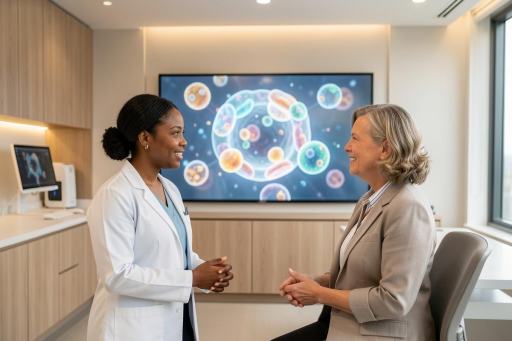
How to discuss personalized cancer vaccines with your oncologist is crucial for informed decisions. Engaging in open conversations about neoantigen vaccines can clarify treatment options. It is essential to express your interest and gather information on personalized cancer therapies. This proactive approach ensures that you are well-informed about your choices.
Begin by preparing a list of patient questions for cancer vaccine discussions. Asking specific questions can help you gain valuable insights. Inquire about the effectiveness, potential side effects, and eligibility for personalized vaccines. Discussing these aspects will empower you to understand how neoantigen vaccines fit into your treatment plan.
Additionally, share any concerns or previous experiences with treatments. This information can help your oncologist tailor their recommendations. Being transparent creates a collaborative atmosphere where both you and your oncologist work together. This partnership is vital for making informed cancer treatment choices that align with your health goals.
Patients should feel empowered to initiate these conversations. Exploring personalized cancer vaccine options can lead to more effective treatments. Take the time to ask questions and express your thoughts clearly. Engaging in a personalized cancer vaccine discussion may open new avenues for your cancer care journey.
Key Takeaways
- Personalized neoantigen vaccines are designed based on an individual's unique genetic profile and tumor mutations.
- These vaccines stimulate the immune system to recognize and attack cancer cells, potentially leading to fewer side effects than traditional therapies.
- Patients should consult their healthcare providers to discuss the potential of personalized neoantigen vaccines as part of their treatment options.
- The design process for these vaccines involves detailed analysis of tumor DNA to identify specific mutations to target.
- Engaging in discussions with oncologists about personalized cancer vaccines can empower patients to make informed decisions about their treatment.
Frequently Asked Questions
What is a personalized neoantigen vaccine?
A personalized neoantigen vaccine is a tailored cancer treatment. It targets specific mutations found in a patient's tumor. This vaccine stimulates the immune system to fight cancer effectively. Patients benefit from a treatment designed just for them.
How does a personalized cancer vaccine work?
A personalized cancer vaccine works by training the immune system. It identifies and attacks cancer cells based on unique tumor markers. This targeted approach enhances the body's natural defenses. Patients experience potentially fewer side effects compared to traditional treatments.
When should I consider neoantigen cancer treatment?
Consider neoantigen cancer treatment if conventional therapies are ineffective. This option may be suitable for advanced or recurrent cancers. Discuss your eligibility with your oncologist to explore personalized options. Early consultation can lead to better outcomes.
Can personalized neoantigen vaccines prevent cancer recurrence?
Personalized neoantigen vaccines can help reduce cancer recurrence. They train the immune system to remember and target cancer cells. This proactive measure enhances long-term patient survival rates. Discuss this potential with your healthcare provider.
How do I discuss personalized cancer vaccine options with my doctor?
Prepare specific questions about personalized cancer vaccines before your appointment. Ask about effectiveness, side effects, and treatment processes. Sharing your treatment history creates a collaborative atmosphere. This approach will help tailor a suitable treatment plan.
The information provided is for educational purposes only and does not constitute medical advice. Always consult with a healthcare professional for medical guidance specific to your situation.