Quick answer
Monitoring cancer vaccine treatment involves regular scans and blood tests to evaluate effectiveness. This proactive approach helps detect issues like pseudoprogression and informs treatment decisions.
Monitoring Cancer Vaccine Treatment: Scans, Blood Tests, Immune Markers, and Pseudoprogression
Monitoring cancer vaccine treatment is crucial for evaluating its effectiveness. Regular assessments through scans, blood tests, and immune markers help track progress. Patients have a vital role in understanding how these tests inform treatment decisions. They can also help detect issues like pseudoprogression, where scans may show misleading results.
Effective cancer vaccine monitoring requires a multi-faceted approach. Utilizing specific imaging tests and analyzing blood markers provides comprehensive insights. By combining these methods, healthcare providers can make informed recommendations tailored to each patient's needs. Staying proactive about monitoring can enhance overall treatment outcomes and provide reassurance during the journey.
Communicating openly with your oncology team is essential for successful treatment. Discuss any concerns about your scans or blood tests to ensure clarity. This engagement empowers patients and fosters a collaborative environment. Continuous communication about cancer vaccine monitoring is a key component of effective care.
Explore Cancer Vaccine Treatment Options
Share a few details about what you would like to learn regarding preventive or therapeutic cancer vaccines. A specialist evaluation can help clarify which options may be relevant to your situation.
Explore Cancer Vaccine Treatment Options
Share your preferred planning timeframe so the care team can understand your priorities. Select the option that is closest to your situation.
Explore Cancer Vaccine Treatment Options
Add any information you would like the specialist team to consider. Please share only what you are comfortable providing, such as the type of information you are seeking or questions about evaluation.
Contact information
Your information is only used to contact you and is never shared with third parties.
Your request has been received!
Thank you. Your inquiry has been received and can be reviewed by a specialist team.
5 Essential Scans to Track Cancer Vaccine Progress
Five essential scans to track cancer vaccine progress play a key role in treatment monitoring. These imaging tests provide valuable insights into how well the vaccine is working. Regularly scheduled scans help detect changes in the body. Effective monitoring of cancer vaccine treatment relies on these advanced imaging techniques.
CT scans are often among the best scans for cancer vaccine treatment. They provide detailed images of internal organs and tissues. This clarity allows doctors to identify any changes in tumor size. Additionally, a CT scan can help in assessing the response to therapy over time.
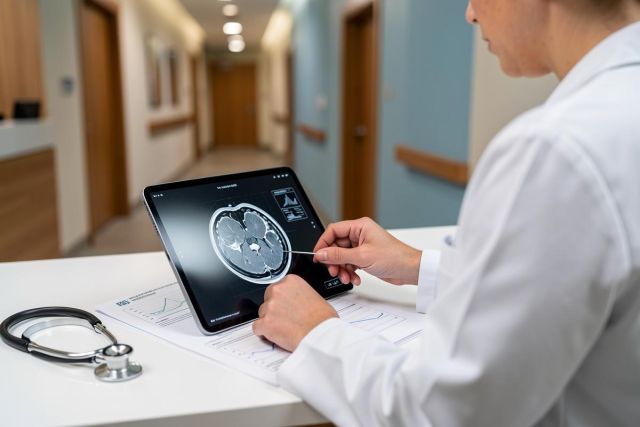
MRI scans are another important tool in monitoring cancer vaccines. They are particularly useful for evaluating brain tumors and soft tissue. MRI scans use powerful magnets and radio waves to create images. These scans can identify subtle changes that may indicate treatment effectiveness.
PET scans are also vital for tracking cancer vaccine progress. These scans use a radioactive tracer to highlight areas of high metabolic activity. This can indicate whether cancer is responding to the vaccine. Combining PET scans with CT scans can enhance the assessment accuracy.
Employing a combination of these imaging tests for cancer vaccines is essential. Regular scans during cancer immunotherapy vaccine treatment ensure prompt adjustments to care plans. Talk to your healthcare provider about scheduling these essential scans. Staying proactive can significantly impact your treatment journey.
How Blood Tests Reveal Your Immune Response
Blood tests for cancer vaccines play a crucial role in monitoring immune response. These tests help track how effectively the body responds to treatment. By analyzing specific markers in the blood, healthcare providers gain insights into treatment effectiveness. Regular testing is essential for effective cancer vaccine monitoring.
Immune response blood tests measure levels of antibodies and immune cells. This information helps determine if the vaccine is stimulating a strong immune reaction. For example, elevated levels of certain antibodies can indicate a positive response. Monitoring these levels over time provides a clearer picture of tracking cancer vaccine progress.
Additional tests focus on specific immune markers that correlate with treatment success. For instance, the presence of certain T-cells can signify a robust immune defense. Blood tests can also reveal any potential side effects or complications. Assessing these factors allows doctors to adjust treatment plans as needed.
Staying proactive with blood tests is vital for effective cancer vaccine monitoring. Engaging in regular testing can provide peace of mind. Discuss with your healthcare team about the appropriate blood tests for your situation. Keeping track of your immune response can significantly influence your treatment journey.
Vital Immune Markers: What They Mean for Your Cancer Journey
Vital immune markers play a significant role in your cancer journey. These markers help assess how well the immune system responds to cancer vaccines. They provide crucial insights into treatment effectiveness and potential adjustments needed. Monitoring immune response is essential for optimizing your cancer care.
Key immune markers cancer vaccine can indicate how the body is fighting cancer. For example, high levels of specific T-cells suggest a robust immune response. These T-cells are critical in recognizing and attacking cancer cells. Regular assessment of these markers can help track the effectiveness of your treatment.
Cancer immunotherapy biomarkers also play a pivotal role in treatment evaluation. Certain proteins can indicate how well your immune system is functioning. Elevated levels of these proteins can signal a positive response to therapy. Tracking these biomarkers allows healthcare providers to make informed decisions about your treatment plan.
Engaging with your healthcare team about immune markers is vital. Knowing these markers can empower you throughout your cancer journey. Ask about which immune system tracking tests are most relevant for you. Staying informed can help you better navigate your treatment options and make proactive decisions.
Explore Cancer Vaccine Treatment Options
Share a few details about what you would like to learn regarding preventive or therapeutic cancer vaccines. A specialist evaluation can help clarify which options may be relevant to your situation.
Explore Cancer Vaccine Treatment Options
Share your preferred planning timeframe so the care team can understand your priorities. Select the option that is closest to your situation.
Explore Cancer Vaccine Treatment Options
Add any information you would like the specialist team to consider. Please share only what you are comfortable providing, such as the type of information you are seeking or questions about evaluation.
Contact information
Your information is only used to contact you and is never shared with third parties.
Your request has been received!
Thank you. Your inquiry has been received and can be reviewed by a specialist team.
Recognizing Pseudoprogression: When Cancer Vaccine Scans Look Worse Before Improving
Recognizing pseudoprogression cancer vaccine is crucial for effective treatment. Patients may experience scans that suggest tumor growth initially. This phenomenon can be confusing and alarming. However, it is important to realize that these changes might not indicate treatment failure.
Scans during cancer immunotherapy vaccine can sometimes show increased tumor size. This increase may occur due to inflammation caused by the immune response. As the body activates its defenses, it can create swelling around the tumor. Such changes can mislead healthcare providers if not interpreted correctly.
Cancer vaccine monitoring is essential to distinguish between progression and pseudoprogression. Regular scans and assessments allow doctors to track true tumor behavior. By analyzing trends over time, they can determine if the immune response is effective. Proper interpretation of pseudoprogression helps guide treatment adjustments.
Staying informed about pseudoprogression can reduce anxiety during treatment. Ask your healthcare team how they monitor for this effect. Understanding that scans do not always reflect negativity can be empowering. Engaging in open discussions about interpreting pseudoprogression enhances your treatment experience.
How to Communicate Effectively With Your Oncology Team
Effective communication with your oncology team is vital for successful treatment. Clear dialogue ensures that all your concerns are addressed. Discussing scan results openly can lead to better-informed decisions. Engaging with your healthcare providers enhances the overall cancer vaccine treatment communication process.
Preparing questions for your oncology team can facilitate productive discussions. Write down specific inquiries about your treatment and test results. This preparation can help you remember important topics during appointments. Asking about potential side effects or treatment options leads to a more comprehensive understanding of your care.
Active participation in conversations with your oncology team is essential. Share your experiences and any side effects you encounter. Providing this information can help your team adjust your treatment plan effectively. Regular updates on your condition help with cancer vaccine monitoring and ensure that you receive the best care.
Be proactive in your healthcare journey by fostering open communication. Discuss your concerns and feedback with your oncology team. Understanding your treatment options and scan results will empower you. Building this collaborative relationship can significantly enhance your cancer treatment experience.
Key Takeaways
- Regular assessments through scans and blood tests are essential for tracking cancer vaccine progress.
- CT, MRI, and PET scans are important imaging tools that provide insights into treatment effectiveness.
- Blood tests measure immune response and can indicate how well the body is responding to the vaccine.
- Understanding pseudoprogression is crucial, as scans may show misleading results that do not indicate treatment failure.
- Effective communication with your oncology team about symptoms and test results enhances your treatment experience.
Frequently Asked Questions
How does cancer vaccine monitoring work during treatment?
Cancer vaccine monitoring typically involves regular scans and blood tests. These tests assess how well your body responds to the vaccine. Your healthcare team will track immune markers and symptoms. This information helps guide treatment decisions effectively.
What is pseudoprogression in cancer vaccine treatment?
Pseudoprogression refers to a misleading appearance on scans. It can show tumor growth even when treatment is effective. This occurs due to inflammation from the immune response. Understanding pseudoprogression cancer vaccine is crucial for treatment interpretation.
When should scans during cancer immunotherapy vaccine be scheduled?
Scans during cancer immunotherapy vaccine are usually scheduled every few months. Your doctor will determine the frequency based on your treatment plan. Regular imaging helps monitor tumor response to the vaccine. Discuss any concerns about timing with your healthcare provider.
How can I prepare for my cancer vaccine monitoring appointments?
Preparing for your appointments involves listing questions and concerns. Write down any symptoms or changes you notice. Bring your records of previous scans and tests. This preparation helps ensure effective communication with your healthcare team.
What symptoms should I report during cancer vaccine monitoring?
Report any new or worsening symptoms to your healthcare team. Common symptoms include fatigue, pain, or unexpected side effects. Keeping your team informed aids in accurate cancer vaccine monitoring. They can adjust your treatment plan as necessary.
The information provided is for educational purposes only and does not constitute medical advice. Always consult with a healthcare professional for medical guidance specific to your situation.