Quick answer
BCG is an immunotherapy used to treat non-muscle-invasive bladder cancer by stimulating the immune system to fight cancer cells. It is administered directly into the bladder to enhance the body's natural defenses against tumors.
Is BCG a Cancer Vaccine? How BCG Immunotherapy Treats Non-Muscle-Invasive Bladder Cancer
BCG, or Bacillus Calmette-Guérin, is an innovative cancer vaccine primarily used for treating non-muscle-invasive bladder cancer. This immunotherapy has gained recognition for its role in stimulating the immune system to fight cancer cells. Patients facing a bladder cancer diagnosis often seek effective treatment options, making BCG an essential topic for discussion. Understanding how BCG functions can empower patients to make informed decisions about their health.
Intravesical BCG immunotherapy delivers the vaccine directly into the bladder, allowing for targeted action against tumors. This method enhances the body's natural defenses, encouraging an immune response that can lead to tumor reduction or elimination. As patients consider their treatment options, the importance of comprehending BCG’s mechanism and its effectiveness cannot be overstated.
Exploring the potential side effects of BCG bladder cancer treatment is crucial in managing patient expectations. Knowledge about post-treatment care and follow-up procedures further supports successful outcomes. Staying informed about these aspects will help patients navigate their cancer journey with confidence and clarity.
Explore Cancer Vaccine Treatment Options
Share a few details about what you would like to learn regarding preventive or therapeutic cancer vaccines. A specialist evaluation can help clarify which options may be relevant to your situation.
Explore Cancer Vaccine Treatment Options
Share your preferred planning timeframe so the care team can understand your priorities. Select the option that is closest to your situation.
Explore Cancer Vaccine Treatment Options
Add any information you would like the specialist team to consider. Please share only what you are comfortable providing, such as the type of information you are seeking or questions about evaluation.
Contact information
Your information is only used to contact you and is never shared with third parties.
Your request has been received!
Thank you. Your inquiry has been received and can be reviewed by a specialist team.
BCG Cancer Vaccine: What Makes It Unique for Bladder Cancer?
The BCG cancer vaccine stands out as a vital treatment for bladder cancer. It is not a traditional vaccine designed to prevent disease. Instead, it stimulates the immune system to fight existing cancer cells. This unique approach makes the BCG cancer vaccine a crucial option for patients.
BCG works by introducing a weakened strain of bacteria into the bladder. This triggers an immune response that targets cancer cells. Clinical studies have shown that this method significantly reduces tumor recurrence in patients with non-muscle-invasive bladder cancer. Such results highlight BCG's effectiveness as a bladder cancer vaccine, offering hope to many.
Another important factor is BCG's history and development. Initially created to combat tuberculosis, researchers found its immunotherapy potential against cancer. This background gives BCG a unique position among bladder cancer treatments. Its dual purpose showcases the versatility of immunotherapy in modern medicine.
Patients should consider BCG as a key option when evaluating bladder cancer treatments. Discussing this vaccine with healthcare providers can lead to informed decisions. Exploring BCG's unique properties may offer additional insights into effective treatment strategies. Engaging with medical professionals about BCG may pave the way for better health outcomes.
How Intravesical BCG Immunotherapy Fights Non-Muscle-Invasive Bladder Cancer
Intravesical BCG immunotherapy is a powerful treatment for non-muscle-invasive bladder cancer. This therapy involves placing the BCG vaccine directly into the bladder. By doing so, it aims to stimulate an immune response to target cancer cells effectively. The method enhances the body’s ability to combat bladder cancer.
BCG bladder cancer treatment works by introducing a weakened strain of bacteria. This process triggers the immune system to recognize and attack cancer cells. Research shows that patients undergoing this therapy often experience a significant reduction in tumor recurrence rates. The immune response generated by BCG is vital in controlling bladder cancer progression.
The administration of intravesical BCG is usually performed in a healthcare setting. Patients typically receive the treatment once a week for several weeks. After the initial treatment, maintenance therapy may help prolong effectiveness. This structured approach keeps the immune response active against potential tumor regrowth.
Patients should discuss intravesical BCG immunotherapy with their healthcare providers. Gaining insight into how BCG works can empower informed treatment decisions. Engaging in conversation about this therapy may lead to personalized care plans and improved outcomes. Exploring BCG as a treatment option could be a pivotal step in managing bladder cancer effectively.
5 Essential Steps in the BCG Treatment Process for Patients
The BCG treatment process involves several essential steps for patients. These steps ensure effective delivery of BCG immunotherapy and optimal outcomes. Familiarizing oneself with these BCG immunotherapy steps can make the experience smoother and more manageable.
Preparing for BCG therapy begins with a thorough consultation. During this appointment, healthcare providers explain the treatment and its benefits. Patients should discuss their medical history and any existing conditions. This information helps tailor the BCG bladder cancer treatment to individual needs.
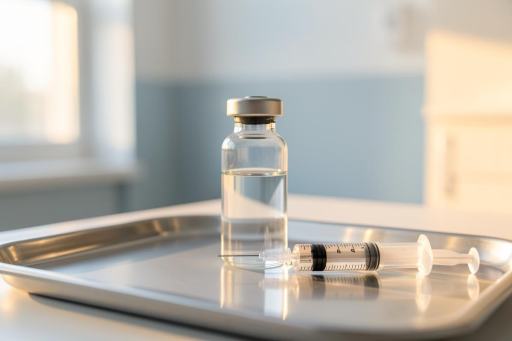
The next step involves the actual administration of the BCG vaccine. This is typically done in a clinic or hospital setting. A healthcare professional will insert the vaccine into the bladder through a catheter. Following this procedure, patients are often advised to hold the vaccine in the bladder for a specific period. This allows the medication to work effectively.
After treatment, monitoring patients for side effects is crucial. Common side effects may include mild bladder irritation or flu-like symptoms. Healthcare providers will schedule follow-up appointments to assess the treatment’s effectiveness. Engaging with medical professionals throughout the BCG treatment process helps ensure a successful experience.
Patients should stay informed and proactive during their BCG therapy journey. Knowing the steps involved in BCG immunotherapy can alleviate anxiety. This knowledge empowers patients to participate actively in their treatment decisions. Communicating with healthcare teams is essential for achieving the best possible outcomes.
Explore Cancer Vaccine Treatment Options
Share a few details about what you would like to learn regarding preventive or therapeutic cancer vaccines. A specialist evaluation can help clarify which options may be relevant to your situation.
Explore Cancer Vaccine Treatment Options
Share your preferred planning timeframe so the care team can understand your priorities. Select the option that is closest to your situation.
Explore Cancer Vaccine Treatment Options
Add any information you would like the specialist team to consider. Please share only what you are comfortable providing, such as the type of information you are seeking or questions about evaluation.
Contact information
Your information is only used to contact you and is never shared with third parties.
Your request has been received!
Thank you. Your inquiry has been received and can be reviewed by a specialist team.
Potential Side Effects: What Patients Need to Know About BCG Immunotherapy
Potential side effects are an important aspect of BCG immunotherapy. Patients must be aware of these effects to manage their treatment effectively. While many experience mild symptoms, others might face more significant reactions. Knowing BCG immunotherapy side effects can help patients prepare adequately.
Common side effects include bladder irritation and frequent urination. Some patients may also experience flu-like symptoms, such as fever and fatigue. These reactions typically arise as the immune system responds to the vaccine. Understanding these BCG bladder cancer risks can help patients distinguish between normal and concerning symptoms.
Managing BCG side effects often involves simple strategies. Staying hydrated can alleviate bladder discomfort and reduce irritation. Over-the-counter pain relievers may also assist with mild symptoms. Regular communication with healthcare providers ensures that any severe or persistent issues are addressed promptly.
Patients should remain proactive in discussing potential side effects with their doctors. Being informed about BCG treatment safety leads to better outcomes. Recognizing the importance of monitoring reactions can make a difference in the overall treatment experience. Engaging with medical professionals enables patients to navigate their journey confidently and effectively.
Crucial Follow-Up Care After BCG Bladder Cancer Treatment
Crucial follow-up care after BCG bladder cancer treatment is essential for patient health. Regular monitoring helps detect any signs of recurrence early. This proactive approach can significantly enhance treatment outcomes and overall well-being. Patients must prioritize bladder cancer monitoring during the recovery process.
Scheduled follow-up appointments typically occur every three to six months. During these visits, healthcare providers perform cystoscopies to examine the bladder. This procedure allows doctors to check for any new tumors or abnormalities. Consistent BCG follow-up care is vital in preventing recurrence of bladder cancer.
Patients should also report any unusual symptoms promptly. Side effects like increased pain or changes in urination may indicate complications. Open communication with healthcare providers ensures that any issues are addressed quickly. Engaging actively in follow-up care can help patients maintain their health in the long term.
Staying vigilant during post-BCG treatment is key for successful recovery. Following medical advice and attending all scheduled appointments are crucial steps. Patients should not hesitate to ask questions or voice concerns. Taking these actions empowers individuals to take charge of their health and enhances their treatment journey.
Key Takeaways
- BCG immunotherapy is delivered directly into the bladder to target cancer cells effectively.
- Common side effects of BCG treatment include bladder irritation and flu-like symptoms, which are usually mild.
- Patients should have regular follow-up appointments every three to six months to monitor for signs of cancer recurrence.
- Open communication with healthcare providers is essential for managing side effects and ensuring effective treatment.
- Understanding the BCG treatment process can empower patients to actively participate in their cancer care.
Frequently Asked Questions
What is the BCG cancer vaccine used for?
The BCG cancer vaccine is primarily used for bladder cancer. This vaccine stimulates the immune system to fight cancer cells. Patients with non-muscle-invasive bladder cancer often receive this treatment. It has shown effectiveness in reducing tumor recurrence.
How does intravesical BCG immunotherapy work?
Intravesical BCG immunotherapy delivers the vaccine directly into the bladder. This process triggers an immune response against cancer cells. The body then targets and eliminates these cells effectively. Patients typically undergo a series of treatments for optimal results.
What are the side effects of BCG bladder cancer treatment?
Common side effects include bladder irritation and flu-like symptoms. Patients may experience increased frequency of urination as well. Most side effects are mild and manageable. Discussing any discomfort with healthcare providers is essential.
When should I expect follow-up care after BCG treatment?
Follow-up care typically occurs every three to six months. Healthcare providers monitor for any signs of recurrence during these visits. Cystoscopy procedures help in assessing bladder health. Regular follow-ups are crucial for maintaining patient well-being.
Can BCG immunotherapy prevent bladder cancer recurrence?
BCG immunotherapy is effective in preventing bladder cancer recurrence. Studies show significant reductions in tumor regrowth among treated patients. Adhering to treatment schedules enhances the chances of success. Ongoing monitoring after treatment is also vital.
The information provided is for educational purposes only and does not constitute medical advice. Always consult with a healthcare professional for medical guidance specific to your situation.