Quick answer
The time it takes for a cancer vaccine to work can vary from several weeks to months, depending on individual factors. Patients should monitor their health and communicate with their healthcare team to understand their specific response timeline.
How Long Does It Take for a Cancer Vaccine to Work? Delayed Responses and Treatment Assessment
Cancer vaccines represent a promising advancement in cancer treatment. Patients often seek clarity on how long it takes for a cancer vaccine to work. Understanding the timeline for cancer vaccine response is essential for managing treatment expectations and making informed decisions. Every patient's journey is unique, and knowing what to anticipate can empower individuals facing this challenging diagnosis.
The process of how long cancer vaccine takes to work can vary widely. Factors such as the type of cancer and the individual’s health greatly influence response time. Patients may experience delayed immunotherapy responses, which can be confusing and concerning. Recognizing the signs of progress, even when immediate effects are not visible, is crucial for maintaining morale during treatment.
Doctors assess the effectiveness of cancer vaccines through regular monitoring and evaluations. Patients often have questions regarding how their progress will be tracked and what indicators signify success. Open communication with healthcare providers ensures that concerns are addressed, promoting a collaborative approach to treatment planning. Continue reading to discover vital information about cancer vaccine timelines and effective communication with your care team.
Explore Cancer Vaccine Treatment Options
Share a few details about what you would like to learn regarding preventive or therapeutic cancer vaccines. A specialist evaluation can help clarify which options may be relevant to your situation.
Explore Cancer Vaccine Treatment Options
Share your preferred planning timeframe so the care team can understand your priorities. Select the option that is closest to your situation.
Explore Cancer Vaccine Treatment Options
Add any information you would like the specialist team to consider. Please share only what you are comfortable providing, such as the type of information you are seeking or questions about evaluation.
Contact information
Your information is only used to contact you and is never shared with third parties.
Your request has been received!
Thank you. Your inquiry has been received and can be reviewed by a specialist team.
Cancer Vaccine Response Time: What to Expect in the First Months
Cancer vaccine response time varies significantly among patients. Initial effects may take weeks or even months to appear. During this period, it is vital to remain informed about what to expect. Knowing the average timeline helps manage expectations regarding how long a cancer vaccine takes to work.
Early responses to cancer vaccines often begin with immune activation. Patients may notice changes in their health but might not feel immediate relief. Commonly, the first signs of cancer vaccine effectiveness include improved blood markers or reduced tumor size. Keeping track of these indicators can provide reassurance during the waiting period.
Monitoring continues throughout the initial months of treatment. Regular check-ups and imaging tests help determine vaccine effectiveness. Doctors assess immune responses and evaluate any changes in symptoms. This ongoing evaluation ensures timely adjustments to the treatment plan when necessary.
Practical takeaways include staying proactive and communicating with your healthcare team. Ask about your progress and the metrics used for assessment. Understanding cancer vaccine response time can empower you during this journey. Stay engaged and informed to make the best decisions for your health.
5 Vital Factors That Influence Cancer Vaccine Effectiveness
Several vital factors influence cancer vaccine effectiveness. Each patient's response can vary based on unique characteristics. These factors play a crucial role in determining how well a vaccine works. Recognizing these elements can help clarify delayed immunotherapy response.
The type of cancer significantly impacts vaccine effectiveness. Certain cancers respond better to immunotherapy than others. For instance, melanoma and some types of lung cancer often show promising results. This variability highlights the importance of personalized treatment plans based on cancer type.
Patient health status is another critical factor affecting cancer vaccine response. Individuals with a robust immune system tend to respond more effectively. Chronic illnesses or weakened immunity can hinder the desired immune response. Addressing underlying health issues can enhance the chances of achieving better outcomes.
Age also plays a significant role in determining vaccine effectiveness. Younger patients often have a more active immune system. This can lead to a more robust response compared to older patients. Recognizing these factors affecting cancer vaccine response can guide treatment plans and expectations.
Practical takeaways include discussing these factors with your healthcare team. Ask about how your unique circumstances may influence vaccine effectiveness. Staying informed empowers you to make better decisions about your treatment. Focus on a collaborative approach to enhance your cancer vaccine journey.
How to Recognize Delayed Immunotherapy Responses
Recognizing delayed immunotherapy responses is crucial for patients. Many may not see immediate results from cancer vaccines. It is essential to be aware of the signs of cancer vaccine working, even when effects are not visible right away. This awareness can reduce anxiety and help maintain a positive outlook.
One of the first signs of a delayed immunotherapy response is gradual improvement in symptoms. Patients might notice less pain or increased energy levels over time. Additionally, lab results may show improving blood markers that indicate immune activity. These subtle changes highlight the importance of ongoing monitoring during treatment.
Another vital aspect involves imaging tests that track tumor changes. Doctors often use scans to evaluate the effectiveness of cancer vaccines. A stable tumor size or a gradual reduction can signal that the vaccine is working. Recognizing delayed cancer vaccine effects through these tests provides valuable insights into treatment progress.
Practical advice includes maintaining open communication with your healthcare team. Discuss any changes in symptoms or concerns about treatment. Regular check-ups are vital for assessing your response to cancer vaccines. Staying informed and proactive can significantly enhance your treatment journey and outcomes.
Explore Cancer Vaccine Treatment Options
Share a few details about what you would like to learn regarding preventive or therapeutic cancer vaccines. A specialist evaluation can help clarify which options may be relevant to your situation.
Explore Cancer Vaccine Treatment Options
Share your preferred planning timeframe so the care team can understand your priorities. Select the option that is closest to your situation.
Explore Cancer Vaccine Treatment Options
Add any information you would like the specialist team to consider. Please share only what you are comfortable providing, such as the type of information you are seeking or questions about evaluation.
Contact information
Your information is only used to contact you and is never shared with third parties.
Your request has been received!
Thank you. Your inquiry has been received and can be reviewed by a specialist team.
Crucial Monitoring: How Doctors Assess Cancer Vaccine Progress
Cancer vaccine progress monitoring is essential for effective treatment. Regular assessments help doctors determine how well a patient is responding to the vaccine. This process involves evaluating various indicators of treatment success. Staying informed about these assessments can empower patients during their treatment journey.
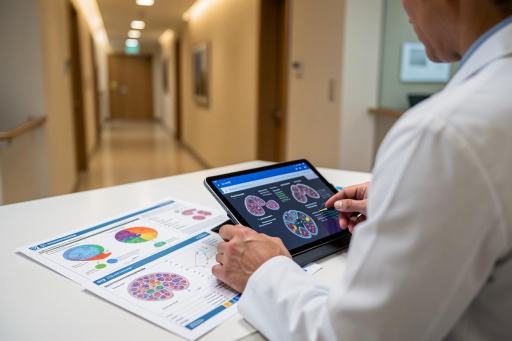
One of the primary methods for assessing cancer vaccine success involves blood tests. These tests measure specific biomarkers that indicate immune activity. Elevated immune markers often signify that the vaccine is working as intended. Additionally, patients may experience fewer symptoms, contributing to overall health improvement.
Imaging tests also play a crucial role in monitoring progress. Doctors use scans, such as CT or MRI, to visualize tumor changes. A stable or shrinking tumor size often indicates a positive response to treatment. These imaging results provide concrete evidence of how the cancer vaccine is performing.
Practical advice includes maintaining regular follow-up appointments with your healthcare team. Discuss the results of blood tests and scans openly. Understanding cancer vaccine progress monitoring can help you stay engaged in your treatment. Stay proactive in your health to ensure the best possible outcomes.
Top Questions to Ask Your Care Team About Cancer Vaccine Timing
Top questions to ask your care team about cancer vaccine timing can enhance your treatment experience. Engaging with your oncology team fosters open communication. This dialogue is essential for setting clear cancer treatment expectations. Patients should feel empowered to seek clarity during their treatment journey.
One important question concerns the expected timeline for vaccine effectiveness. Asking how long cancer vaccine takes to work allows you to gauge progress. Knowing what to expect can help you stay motivated. Additionally, inquire about the signs that indicate the vaccine is working effectively.
Another crucial area involves follow-up appointments and monitoring. Discuss how often you will undergo assessments to evaluate progress. Consistent communication with your oncology team ensures that any issues are addressed promptly. This proactive approach can significantly impact your overall treatment experience.
Practical advice includes preparing a list of questions before appointments. Focus on your concerns about cancer vaccine timing and progress. Communicating with your oncology team can provide reassurance and clarity. Stay engaged in your treatment process to navigate your cancer journey more effectively.
Key Takeaways
- Cancer vaccine response time is influenced by factors such as cancer type and individual health status.
- Initial signs of effectiveness may include improved blood markers or reduced tumor size, which can take time to appear.
- Regular monitoring through blood tests and imaging is essential to assess the effectiveness of the vaccine.
- Patients should maintain open communication with their healthcare team to discuss progress and any concerns during treatment.
- Lifestyle changes, such as a healthy diet and exercise, may positively impact cancer vaccine response.
Frequently Asked Questions
How long does it take for a cancer vaccine to work?
The time it takes for a cancer vaccine to work varies. Typically, it may take several weeks to months. Each patient's cancer vaccine response time can differ significantly. Factors such as cancer type and individual health impact timing.
What are the signs of a cancer vaccine working?
Signs of cancer vaccine effectiveness include improving symptoms and lab results. Patients may notice decreased tumor size during follow-up scans. Increased immune markers in blood tests also indicate progress. Monitoring these changes is essential for assessing treatment success.
Why do some patients experience delayed immunotherapy response?
Delayed immunotherapy response can occur due to various factors. Each patient's immune system reacts differently to treatment. Additionally, the type of cancer can influence response timing. Understanding these delays helps manage expectations during treatment.
How can patients track their cancer vaccine progress?
Patients can track progress through regular medical appointments. Blood tests and imaging scans help monitor treatment effectiveness. Keeping a journal of symptoms and side effects is beneficial. Open communication with healthcare providers enhances the tracking process.
Can lifestyle changes affect cancer vaccine response time?
Yes, lifestyle changes can influence cancer vaccine response time. A healthy diet and regular exercise may boost the immune system. Managing stress levels also plays a vital role in treatment. Discussing lifestyle adjustments with your healthcare team is advisable.
The information provided is for educational purposes only and does not constitute medical advice. Always consult with a healthcare professional for medical guidance specific to your situation.