Quick answer
Cancer vaccines are administered through various methods, including injections, intravenous delivery, and intratumoral injections. Discussing these options with your healthcare provider is essential to determine the best approach for your treatment.
How Are Cancer Vaccines Given? Injection, Intradermal, Intravenous, and Intratumoral Routes
Cancer vaccines play a crucial role in the fight against cancer. How cancer vaccines are given can greatly affect treatment outcomes and patient experiences. These vaccines stimulate the immune system to recognize and attack cancer cells, helping to improve overall health and survival rates. Understanding the different methods of administration is essential for patients considering this treatment option.
The administration methods for cancer vaccines vary widely among patients. Common routes include injection, intradermal, intravenous, and intratumoral delivery. Each method has its benefits and potential side effects, making it vital for patients to discuss options with their healthcare team. Knowing how cancer vaccines are given can empower patients and lead to informed decisions about their treatment plans.
Cancer vaccine injection techniques are designed to ensure safety and effectiveness during treatment. Patients should feel comfortable asking questions and seeking clarity about their specific administration method. Engaging in discussions about these vital topics can help patients navigate their cancer journey more confidently.
Explore Cancer Vaccine Treatment Options
Share a few details about what you would like to learn regarding preventive or therapeutic cancer vaccines. A specialist evaluation can help clarify which options may be relevant to your situation.
Explore Cancer Vaccine Treatment Options
Share your preferred planning timeframe so the care team can understand your priorities. Select the option that is closest to your situation.
Explore Cancer Vaccine Treatment Options
Add any information you would like the specialist team to consider. Please share only what you are comfortable providing, such as the type of information you are seeking or questions about evaluation.
Contact information
Your information is only used to contact you and is never shared with third parties.
Your request has been received!
Thank you. Your inquiry has been received and can be reviewed by a specialist team.
5 Key Ways Cancer Vaccines Are Administered Safely
Cancer vaccines are administered safely using various methods tailored to each patient. How cancer vaccines are given can significantly influence their effectiveness and overall patient comfort. Healthcare providers carefully assess factors like the patient's health and the specific vaccine type to determine the best method. Each cancer vaccine administration method aims to enhance safety and immune response.
One common method is injection into muscle tissue. This technique allows for quick absorption into the bloodstream. Cancer vaccine injections are typically administered in a clinical setting by trained professionals. Proper technique ensures minimal discomfort and maximizes cancer vaccine safety during treatment.
Intradermal delivery is another effective method for administering cancer vaccines. This approach involves injecting the vaccine into the skin’s dermis layer. It can stimulate a robust immune response while also reducing systemic side effects. Many patients find that intradermal administration provides a comfortable experience and encourages safe vaccine delivery.
Lastly, intravenous delivery is often used for specific cancer vaccines. This method allows the vaccine to enter the bloodstream rapidly, ensuring immediate distribution throughout the body. Patients should discuss their administration options with healthcare providers to understand what suits their needs best. Cancer vaccine administration methods can vary, so staying informed is essential for making confident choices about treatment.
Cancer Vaccine Injection: What to Expect During Treatment
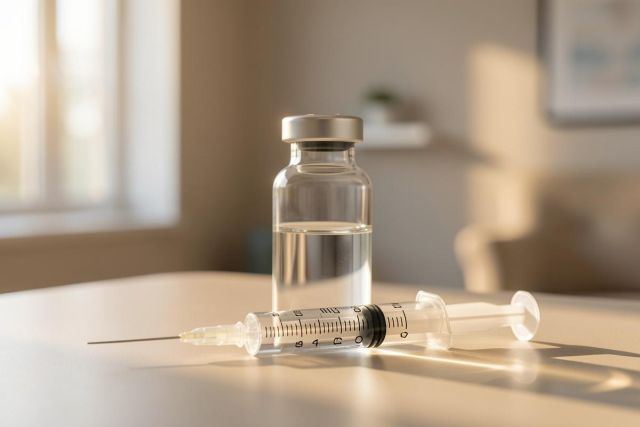
Cancer vaccine injection is a vital method for delivering treatment. Patients can expect a process that is straightforward and carefully managed by healthcare professionals. This type of cancer vaccine shot aims to stimulate the immune system effectively. Knowing what to expect during the injection can ease any concerns patients may have.
Before the injection, healthcare providers will review medical history and specific details about the vaccine. This preparation ensures that the cancer vaccine injection is safe and appropriate for the patient. During the procedure, the nurse or doctor will clean the injection site and use a sterile needle. Patients typically feel a brief pinch, similar to other routine vaccinations.
After receiving the cancer vaccine shot, monitoring for side effects is essential. Common injection side effects may include soreness at the injection site or mild fatigue. These symptoms are generally temporary and resolve quickly. It is crucial for patients to report any unusual reactions or prolonged discomfort to their healthcare team.
Patients should remain engaged in their treatment plan and ask questions. Being informed about what to expect from a cancer vaccine injection can help alleviate anxiety. Discussing potential side effects and follow-up care is also important for a comprehensive understanding of the process. Empowering oneself with knowledge fosters confidence in the journey toward recovery.
Why Intradermal Cancer Vaccine Delivery Matters for Immune Response
Intradermal cancer vaccine delivery plays a crucial role in enhancing immune response. This method involves injecting the vaccine directly into the skin's dermis layer. Such targeted delivery allows for a more robust immune reaction. The advantages of intradermal injection can significantly improve treatment outcomes for patients.
One significant benefit of intradermal cancer vaccine administration is the increased concentration of antigens. When the vaccine is delivered into the skin, it interacts closely with immune cells. This interaction can lead to a stronger and more effective immune response to cancer cells. Studies have shown that vaccines delivered intradermally can yield higher levels of specific antibodies.
Cancer vaccine skin injections also tend to have fewer systemic side effects. By targeting the immune response more locally, patients may experience less discomfort. This localized approach allows for a better balance between efficacy and tolerability. Many patients appreciate the reduced risk of adverse reactions associated with this method.
Patients should consider discussing intradermal delivery with their healthcare providers. Knowing the benefits of intradermal injection can empower them in making informed choices. Engaging with healthcare teams about this option can lead to tailored treatment plans. A proactive approach helps ensure that patients receive the best possible care in their cancer journey.
Explore Cancer Vaccine Treatment Options
Share a few details about what you would like to learn regarding preventive or therapeutic cancer vaccines. A specialist evaluation can help clarify which options may be relevant to your situation.
Explore Cancer Vaccine Treatment Options
Share your preferred planning timeframe so the care team can understand your priorities. Select the option that is closest to your situation.
Explore Cancer Vaccine Treatment Options
Add any information you would like the specialist team to consider. Please share only what you are comfortable providing, such as the type of information you are seeking or questions about evaluation.
Contact information
Your information is only used to contact you and is never shared with third parties.
Your request has been received!
Thank you. Your inquiry has been received and can be reviewed by a specialist team.
Intravenous Cancer Vaccines: Are They Right for You?
Intravenous cancer vaccines are a significant treatment option for many patients. This method delivers the vaccine directly into the bloodstream. IV cancer vaccine delivery allows for rapid distribution throughout the body. Patients may find that this approach enhances the vaccine's effectiveness against cancer cells.
One advantage of the intravenous route cancer vaccine is its quick absorption. When administered intravenously, the vaccine can reach various tissues more effectively. This method may be particularly beneficial for patients with advanced-stage cancers. Quick administration can lead to a faster immune response, potentially improving outcomes.
Patients considering cancer vaccine infusion should be aware of potential side effects. Common reactions may include mild fever, fatigue, or localized irritation at the injection site. These side effects are generally manageable and temporary. Monitoring by healthcare professionals ensures that any adverse reactions are addressed promptly.
Engaging in discussions with healthcare providers about intravenous cancer vaccines is essential. Patients should evaluate their overall health and treatment goals. Knowing the benefits of intravenous delivery can help in making informed decisions. Taking an active role in treatment discussions can lead to better health outcomes and improved confidence in one’s cancer journey.
Intratumoral Cancer Vaccine: Direct Injection into Tumors Explained
Intratumoral cancer vaccine delivery involves direct injection into tumors. This innovative cancer vaccine delivery method targets cancerous cells more precisely. By injecting the vaccine directly into the tumor, healthcare providers aim to enhance the immune system's response. This approach can lead to improved treatment outcomes for many patients.
Direct tumor injection allows for a concentrated dose of the vaccine. This localized treatment can stimulate a stronger immune response against the tumor. Research has shown that intratumoral route cancer vaccines can generate significant anti-tumor activity. Patients receiving these injections often experience fewer systemic side effects compared to traditional methods.
The intratumoral cancer vaccine method may also improve patient comfort. Since the injection is localized, patients may not feel the same level of discomfort as with other delivery methods. Healthcare teams closely monitor patients during treatment to ensure safety and manage any side effects. This attention to care can enhance the overall experience for patients undergoing this procedure.
Patients should discuss the potential benefits and risks of intratumoral delivery with their healthcare providers. Knowing how the intratumoral cancer vaccine works can empower patients in their treatment decisions. Engaging in these conversations can lead to personalized care plans that align with individual health goals. Taking an active role in treatment options enhances confidence and promotes better health outcomes.
Key Takeaways
- Cancer vaccines stimulate the immune system to recognize and attack cancer cells, improving health and survival rates.
- Injection into muscle tissue is a common method for administering cancer vaccines, ensuring quick absorption into the bloodstream.
- Intradermal delivery involves injecting the vaccine into the skin's dermis layer, which can enhance immune response and reduce systemic side effects.
- Intravenous delivery allows for rapid distribution of the vaccine throughout the body, which may be beneficial for patients with advanced-stage cancers.
- Patients should engage in discussions with their healthcare providers about the administration methods to make informed decisions about their treatment.
Frequently Asked Questions
How are cancer vaccines given to patients?
Cancer vaccines are given through various administration methods. Common methods include injections, intravenous delivery, and intratumoral injections. Each method is tailored to enhance the immune response. Discuss with your healthcare provider to determine the best option.
What is an intratumoral cancer vaccine injection?
An intratumoral cancer vaccine injection involves delivering the vaccine directly into tumors. This method targets cancer cells more precisely. It aims to stimulate a localized immune response. Patients may experience fewer systemic side effects with this approach.
How does a cancer vaccine injection work?
A cancer vaccine injection introduces antigens to stimulate the immune system. This triggers the body to recognize and attack cancer cells. The immune response generated can help prevent cancer growth. Each vaccine type may have unique mechanisms of action.
When should patients receive a cancer vaccine injection?
Patients typically receive cancer vaccines during specific treatment phases. Timing depends on individual health conditions and treatment plans. Healthcare providers assess the best schedule for vaccine administration. Regular follow-up appointments ensure optimal timing for effectiveness.
Can cancer vaccines be combined with other treatments?
Cancer vaccines can often be combined with other therapies. Common combinations include chemotherapy, radiation, or immunotherapy. This approach aims to enhance overall treatment effectiveness. Consult with your healthcare team about the best combination for your situation.
The information provided is for educational purposes only and does not constitute medical advice. Always consult with a healthcare professional for medical guidance specific to your situation.