Quick answer
The gut microbiome significantly influences the effectiveness of cancer vaccines. Maintaining a healthy microbiome through diet and probiotics can enhance immune responses during cancer treatment.
Gut Microbiome, Antibiotics, and Cancer Vaccine Response: What Does the Research Suggest?
The gut microbiome plays a crucial role in the effectiveness of cancer vaccines. Research shows that the composition of gut bacteria can influence immune responses. A healthy microbiome may enhance how well vaccines work against cancer. This connection highlights the importance of gut health for patients undergoing cancer treatment.
Antibiotics can disrupt the delicate balance of gut bacteria, potentially affecting vaccine outcomes. Patients receiving cancer immunotherapy should consider how antibiotic use may impact their microbiome. Understanding this relationship is vital for optimizing cancer vaccine responses. Strategies to support gut health before vaccination can lead to better treatment results.
Maintaining a diverse gut microbiome is essential for overall health and immune function. Ongoing studies continue to uncover the complex interactions between gut bacteria and cancer therapies. Engaging with this information can empower patients to make informed choices regarding their health. Staying informed about the gut microbiome and cancer vaccine response may lead to improved treatment experiences.
Explore Cancer Vaccine Treatment Options
Share a few details about what you would like to learn regarding preventive or therapeutic cancer vaccines. A specialist evaluation can help clarify which options may be relevant to your situation.
Explore Cancer Vaccine Treatment Options
Share your preferred planning timeframe so the care team can understand your priorities. Select the option that is closest to your situation.
Explore Cancer Vaccine Treatment Options
Add any information you would like the specialist team to consider. Please share only what you are comfortable providing, such as the type of information you are seeking or questions about evaluation.
Contact information
Your information is only used to contact you and is never shared with third parties.
Your request has been received!
Thank you. Your inquiry has been received and can be reviewed by a specialist team.
5 Ways Gut Bacteria Influence Cancer Vaccine Effectiveness
Gut bacteria play a significant role in cancer vaccine effectiveness. The microbiome can shape how the immune system responds to vaccines. Evidence suggests that specific gut bacteria enhance vaccine responses. This connection highlights the importance of maintaining a healthy microbiome.
Certain gut bacteria can boost immune responses to cancer vaccines. For example, a diverse microbiome is linked to stronger immunity. Studies show that patients with varied gut flora often have better vaccine outcomes. These patients frequently exhibit enhanced immune system and microbiome interactions.
Additionally, some gut bacteria produce beneficial metabolites. These metabolites can strengthen immune function and promote inflammation. An optimal inflammatory response is crucial for effective cancer vaccine action. The right balance of gut bacteria can thus enhance the cancer vaccine response.
Practical steps to support gut health can lead to better vaccine results. Incorporating probiotics, prebiotics, and a balanced diet is essential. A thriving microbiome can significantly impact cancer vaccine effectiveness. Patients should consider their gut health when discussing treatment options.
Antibiotics and Cancer Immunotherapy: Vital Risks You Should Know
Antibiotics can pose significant risks during cancer immunotherapy. The relationship between antibiotics and cancer vaccines may impact treatment effectiveness. Studies indicate that antibiotic use can disrupt the gut microbiome. This disruption may lead to reduced effectiveness of cancer immunotherapy.
The gut microbiome plays a crucial role in immune responses. When antibiotics alter this balance, the immune system may weaken. A healthier microbiome typically enhances responses to cancer immunotherapy vaccines. Patients using antibiotics might experience diminished vaccine efficacy due to these changes.
Research highlights the importance of timing when using antibiotics. Taking antibiotics during immunotherapy can interfere with treatment outcomes. For instance, antibiotics can reduce the diversity of gut bacteria. This reduction can compromise the immune system's ability to respond effectively to cancer treatments.
Patients should be cautious when considering antibiotics during cancer therapy. Discussing the risks of antibiotics and cancer vaccines with your healthcare provider is essential. They can help weigh the benefits and risks of antibiotic use. Maintaining gut health can significantly enhance the effectiveness of cancer immunotherapy. Prioritize discussions about your treatment plan to ensure optimal outcomes.
How to Support a Healthy Gut Before Cancer Vaccination
Supporting a healthy gut before cancer vaccination is crucial. A well-functioning microbiome can enhance the effectiveness of vaccines. Preparing your gut for vaccine administration may lead to better outcomes. Patients should consider various strategies to promote gut health.
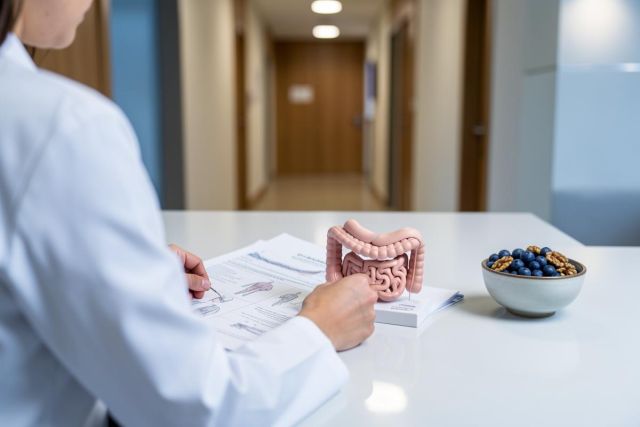
Incorporating probiotics into your diet can significantly help. Probiotics support gut microbiome diversity, which is essential for immune function. Foods like yogurt, kefir, and sauerkraut contain beneficial bacteria. Regularly consuming these foods can strengthen your gut before receiving a cancer vaccine.
Fiber-rich foods also play an essential role in maintaining gut health. Whole grains, fruits, and vegetables provide nutrients that nourish beneficial bacteria. These foods help create a balanced environment in the gut. A healthy gut cancer vaccine response depends on this balance and diversity.
Patients should prioritize gut health in their treatment plans. Consuming a variety of probiotics, along with fiber-rich foods, can make a difference. Staying informed and proactive about your gut health can enhance cancer immunotherapy outcomes. Consult your healthcare provider to discuss the best approaches for supporting your gut microbiome.
Explore Cancer Vaccine Treatment Options
Share a few details about what you would like to learn regarding preventive or therapeutic cancer vaccines. A specialist evaluation can help clarify which options may be relevant to your situation.
Explore Cancer Vaccine Treatment Options
Share your preferred planning timeframe so the care team can understand your priorities. Select the option that is closest to your situation.
Explore Cancer Vaccine Treatment Options
Add any information you would like the specialist team to consider. Please share only what you are comfortable providing, such as the type of information you are seeking or questions about evaluation.
Contact information
Your information is only used to contact you and is never shared with third parties.
Your request has been received!
Thank you. Your inquiry has been received and can be reviewed by a specialist team.
Top 3 Research Studies Linking Microbiome and Vaccine Outcomes
Numerous research studies highlight the connection between microbiome and vaccine outcomes. These studies demonstrate how gut bacteria influence immune responses to vaccines. Scientific evidence increasingly shows that the microbiome plays a critical role in cancer vaccine effectiveness.
One notable study focused on the relationship between gut bacteria and cancer immunotherapy. Researchers found that patients with diverse gut microbiomes experienced improved vaccine responses. This research microbiome cancer vaccine indicated that specific bacterial species could enhance immune activation. The findings suggest that a healthy microbiome may be vital for optimal vaccine outcomes.
Another significant study examined the effects of probiotics on vaccine efficacy. Clinical studies showed that patients taking probiotics had better responses. These findings underscore the importance of gut health in immunotherapy. Improved microbiome diversity can lead to more effective cancer vaccine results.
Patients should take note of these insights from microbiome and immunotherapy research. Supporting gut health may enhance vaccine effectiveness and improve treatment outcomes. Incorporating probiotics and a balanced diet can be beneficial. Engaging with your healthcare provider about microbiome health can help create an effective treatment plan.
Can Changing Your Microbiome Improve Cancer Vaccine Results?
Changing your microbiome can potentially improve cancer vaccine results. Altering gut bacteria may enhance immune responses to vaccines. Research suggests that a healthier microbiome can positively influence vaccine efficacy. This connection emphasizes the need for strategies to support gut health.
Probiotics play a vital role in microbiome modulation cancer. These beneficial bacteria can help restore balance to the gut microbiome. Studies have shown that patients taking probiotics during cancer treatment often experience better outcomes. By improving gut health, patients may enhance their overall vaccine response.
Diet also significantly impacts gut bacteria composition. Consuming a variety of fiber-rich foods can promote beneficial bacteria growth. A balanced diet contributes to a diverse microbiome and supports cancer vaccine effectiveness. Focusing on nutrition can create a positive environment for gut health.
Patients should consider the potential benefits of changing their microbiome. Incorporating probiotics and a diverse diet may improve vaccine response microbiome. Discussing these strategies with a healthcare provider can lead to better treatment outcomes. Taking proactive steps can help ensure the best possible results from cancer vaccines.
Key Takeaways
- A diverse gut microbiome is essential for optimal immune function and can improve cancer vaccine outcomes.
- Antibiotic use during cancer treatment may disrupt gut bacteria and reduce vaccine effectiveness, so patients should discuss this with their healthcare provider.
- Incorporating probiotics and fiber-rich foods into the diet can support gut health and enhance vaccine responses.
- Preparing the gut a few weeks before vaccination can help establish beneficial bacteria for better immune responses.
- Patients should prioritize discussions about gut health with their healthcare provider to optimize their treatment plans.
Frequently Asked Questions
How does the microbiome affect cancer vaccine effectiveness?
The microbiome can enhance immune responses to cancer vaccines. A diverse gut flora boosts the vaccine's effectiveness. Healthy gut bacteria play a vital role in immunity. Maintaining gut health is crucial for optimal vaccine outcomes.
Can antibiotics impact cancer immunotherapy vaccine responses?
Yes, antibiotics can disrupt gut bacteria and immunity. Their use may reduce the effectiveness of cancer vaccines. Patients should discuss antibiotic use during treatment with their healthcare provider. Monitoring gut health is essential during cancer therapy.
What are the best ways to support gut health before vaccination?
Incorporating probiotics into your diet can support gut health. Eating a variety of fiber-rich foods promotes beneficial bacteria. Maintaining a balanced diet helps optimize your gut bacteria vaccine response. Discuss dietary changes with your healthcare provider for guidance.
How can changing my microbiome improve vaccine outcomes?
Changing your microbiome may enhance immune responses to vaccines. Probiotics can help restore balance to gut bacteria. A healthier microbiome supports better cancer vaccine effectiveness. Consult your doctor about incorporating probiotics into your plan.
When should I start preparing my gut for cancer vaccination?
Start preparing your gut a few weeks before vaccination. This timeframe allows beneficial bacteria to establish themselves. Adjusting your diet early can significantly impact your immune response. Discuss your plan with a healthcare professional for optimal timing.
The information provided is for educational purposes only and does not constitute medical advice. Always consult with a healthcare professional for medical guidance specific to your situation.