Quick answer
Dendritic cell cancer vaccines are a type of immunotherapy that uses the body's immune system to target and destroy cancer cells. They involve a multi-step process including cell collection, laboratory preparation, and patient engagement to enhance treatment effectiveness.
Dendritic Cell Cancer Vaccines: Collection, Laboratory Preparation, Evidence, and Limitations
Dendritic cell cancer vaccines represent a promising advancement in cancer treatment. These innovative therapies harness the power of the immune system to target and destroy cancer cells effectively. As patients seek more personalized and effective treatment options, dendritic cell immunotherapy is gaining traction. The potential of DC vaccine treatment lies in its ability to train the immune system to recognize and attack tumors, offering hope for better outcomes.
The process of developing a dendritic cell vaccine involves several crucial steps, including cell collection and laboratory preparation. Each stage plays a vital role in ensuring the vaccine's effectiveness in fighting cancer. Patients should be aware of how dendritic cell vaccines work and their unique benefits. Engaging with healthcare providers can provide valuable insights into this evolving field of cancer immunotherapy.
As research continues to unveil the capabilities of dendritic cell vaccines, it is essential to understand their limitations and challenges. Balancing the potential benefits and risks empowers patients to make informed decisions regarding their treatment options. Being proactive in discussions with healthcare professionals can help clarify any uncertainties surrounding dendritic cell cancer vaccines. This exploration will cover essential aspects of the therapy, helping patients navigate this transformative approach to cancer care.
Explore Cancer Vaccine Treatment Options
Share a few details about what you would like to learn regarding preventive or therapeutic cancer vaccines. A specialist evaluation can help clarify which options may be relevant to your situation.
Explore Cancer Vaccine Treatment Options
Share your preferred planning timeframe so the care team can understand your priorities. Select the option that is closest to your situation.
Explore Cancer Vaccine Treatment Options
Add any information you would like the specialist team to consider. Please share only what you are comfortable providing, such as the type of information you are seeking or questions about evaluation.
Contact information
Your information is only used to contact you and is never shared with third parties.
Your request has been received!
Thank you. Your inquiry has been received and can be reviewed by a specialist team.
5 Crucial Steps for Dendritic Cell Vaccine Collection
Dendritic cell vaccine collection is a critical process in immunotherapy. The quality of the collected cells significantly impacts the effectiveness of treatment. Proper collection techniques can enhance the overall success of dendritic cell immunotherapy. Patients should be well-informed about the steps involved in this essential procedure.
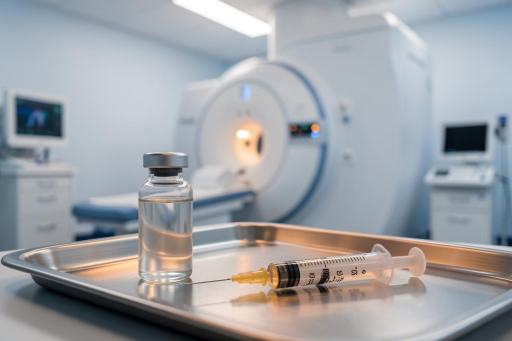
Blood harvesting for DC vaccine is the first step in the process. Healthcare professionals typically perform this procedure through a method called leukapheresis. This technique separates white blood cells from other blood components. The result is a concentrated collection of dendritic cells, which are vital for creating an effective dendritic cell vaccine cancer treatment.
Once the blood is collected, the next step is dendritic cell preparation. This involves isolating the dendritic cells and activating them with specific antigens. These antigens help the cells recognize cancer cells more effectively. Proper DC vaccine preparation ensures that the vaccine can engage the immune system to target tumors.
Patients should remain engaged throughout the collection process. Understanding how dendritic cell collection and preparation work can alleviate anxiety. Consulting with medical professionals can provide clarity and reassurance. Gaining knowledge about each step helps patients feel more empowered about their treatment journey. Taking an active role in the process can ultimately lead to better health outcomes.
How Laboratory Preparation Boosts Vaccine Potency
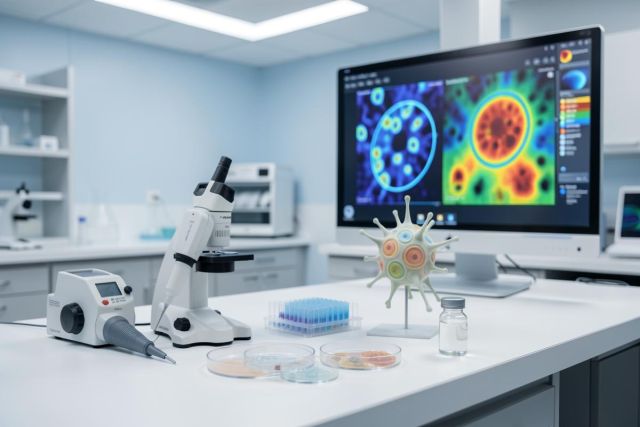
Laboratory preparation plays a crucial role in enhancing vaccine potency. Proper DC vaccine laboratory preparation ensures that dendritic cells are primed for action. This crucial step determines how effectively the immune system will respond to the vaccine. A well-prepared vaccine can significantly improve patient outcomes in dendritic cell immunotherapy.
Antigen loading for DC vaccine is a key component of this preparation. During this process, dendritic cells are introduced to specific cancer antigens. These antigens train the cells to recognize and attack cancer cells. A successful antigen loading process results in a more robust immune response against tumors.
Quality control measures are also essential in laboratory preparation. Ensuring that dendritic cells remain viable and functional is vital for successful treatment. Advanced techniques are used to monitor cell health and potency throughout the preparation process. This attention to detail maximizes the effectiveness of the dendritic cell immunotherapy.
Patients should be informed about the importance of laboratory preparation. Knowing that meticulous processes are in place can provide peace of mind. Engaging with healthcare providers can clarify the preparation's role in enhancing vaccine potency. Understanding these aspects can empower patients to take an active role in their treatment journey.
Top 4 Scientific Findings on DC Vaccine Effectiveness
Top scientific findings on DC vaccine effectiveness reveal promising results. Research highlights how dendritic cell vaccines can stimulate the immune system. Many studies show that these vaccines can lead to significant tumor reduction. The potential of DC vaccine treatment is becoming increasingly evident in cancer care.
Cancer immunotherapy studies demonstrate that dendritic cell vaccines enhance patient outcomes. One landmark study found that patients receiving DC vaccine therapy experienced improved survival rates. This supports the idea that tailored immunotherapy can effectively combat various cancers. Evidence indicates that combining DC vaccines with other treatments may yield even better results.
Further research indicates that specific patient characteristics influence DC vaccine effectiveness. Factors like tumor type and genetic makeup can impact how well the vaccine works. Understanding these variables helps doctors personalize treatment plans for each patient. Tailoring therapies based on scientific findings can optimize outcomes in cancer immunotherapy.
Patients should engage with their healthcare teams about DC vaccine treatment options. Knowing the scientific evidence supporting these therapies can empower informed decisions. Staying informed about developments in dendritic cell vaccine evidence can facilitate proactive health management. Engaging in conversations about these findings can lead to better treatment strategies.
Explore Cancer Vaccine Treatment Options
Share a few details about what you would like to learn regarding preventive or therapeutic cancer vaccines. A specialist evaluation can help clarify which options may be relevant to your situation.
Explore Cancer Vaccine Treatment Options
Share your preferred planning timeframe so the care team can understand your priorities. Select the option that is closest to your situation.
Explore Cancer Vaccine Treatment Options
Add any information you would like the specialist team to consider. Please share only what you are comfortable providing, such as the type of information you are seeking or questions about evaluation.
Contact information
Your information is only used to contact you and is never shared with third parties.
Your request has been received!
Thank you. Your inquiry has been received and can be reviewed by a specialist team.
Vital Limitations and Challenges Facing Dendritic Cell Vaccines
Vital limitations and challenges facing dendritic cell vaccines can impact their effectiveness. Despite their promise, several obstacles hinder broader application in cancer treatment. These challenges include variability in patient responses and complex manufacturing processes. Addressing these limitations is essential for advancing dendritic cell immunotherapy.
Dendritic cell vaccine limitations often stem from inconsistent patient outcomes. Not all patients experience the same level of immune response. Factors such as tumor type and immune system health can influence effectiveness. Researchers are actively studying these variables to enhance the overall success of DC vaccine treatment.
Another significant challenge involves the complexity of the manufacturing process. Producing dendritic cell vaccines requires specialized facilities and expertise. This can lead to increased costs, limiting accessibility for some patients. Ensuring DC vaccine safety during the production process is also crucial for maintaining patient health.
Patients should be informed about the current limitations and challenges. Engaging in conversations with healthcare professionals can clarify potential obstacles. Staying informed about ongoing research can empower patients in their treatment decisions. Exploring collaborative options may also help address these challenges and enhance the effectiveness of dendritic cell vaccines.
How to Maximize Results: Patient Selection and Support Tips
Maximizing DC vaccine results begins with effective patient selection. Choosing the right candidates for dendritic cell immunotherapy can significantly impact outcomes. Factors such as tumor type, stage, and overall health play crucial roles. Identifying suitable patients enhances the potential for successful treatment.
Dendritic cell immunotherapy candidates should ideally have specific characteristics. Patients with advanced cancer may benefit more from this therapy. Those with a strong immune response are also more likely to see positive results. Engaging in thorough discussions with healthcare providers can help determine the best candidates for DC vaccine treatment.
Support during the treatment process is equally important. Providing emotional and nutritional support can improve patient morale. Patients should also stay informed about their treatment journey. Resources such as support groups can offer valuable insights and encouragement during their experience with dendritic cell immunotherapy.
Patients should prioritize open communication with their healthcare team. Discussing any concerns or questions can foster a collaborative approach. Tailoring treatment and support based on individual needs can maximize results. Taking an active role in treatment decisions can empower patients and lead to better health outcomes.
Key Takeaways
- Dendritic cell vaccines train the immune system to recognize and attack tumors, offering potential benefits in cancer treatment.
- The collection and preparation of dendritic cells are critical steps that significantly impact the effectiveness of the vaccine.
- Patients should engage with healthcare providers to understand the process and benefits of dendritic cell immunotherapy.
- Research indicates that patient characteristics, such as tumor type and immune response, can influence the effectiveness of dendritic cell vaccines.
- Open communication with healthcare teams is essential for maximizing treatment outcomes and addressing any concerns during the process.
Frequently Asked Questions
What is a dendritic cell vaccine for cancer?
A dendritic cell vaccine for cancer is a type of immunotherapy. It uses the body’s dendritic cells to stimulate an immune response. This response targets and attacks cancer cells effectively. The goal is to improve patient outcomes and survival rates.
How does dendritic cell immunotherapy work?
Dendritic cell immunotherapy works by activating the immune system. It trains dendritic cells to recognize specific cancer antigens. These activated cells then help the immune system identify and destroy cancer cells. This process enhances the body's natural ability to fight cancer.
When is DC vaccine treatment recommended for patients?
DC vaccine treatment is often recommended for advanced cancer stages. It may also be suitable for patients with specific tumor types. Consulting with an oncologist can determine if this therapy is appropriate. Individual health factors play a key role in this decision.
Can dendritic cell vaccines be combined with other therapies?
Yes, dendritic cell vaccines can be combined with other cancer treatments. This may include chemotherapy or radiation therapy for enhanced effectiveness. Combining therapies can help achieve better patient outcomes. Always discuss treatment plans with your healthcare team.
How are dendritic cells collected for the vaccine?
Dendritic cells are usually collected through a procedure called leukapheresis. This process separates white blood cells from the patient’s blood. The extracted cells are then processed in a laboratory. This preparation is essential for creating an effective DC vaccine.
The information provided is for educational purposes only and does not constitute medical advice. Always consult with a healthcare professional for medical guidance specific to your situation.