Quick answer
Dental implants can be placed without bone grafting in certain cases, particularly using short implants or other alternatives. Consulting with a qualified dentist is essential to determine the best option based on individual bone density and dental needs.
Can Dental Implants Be Placed Without Bone Grafting or a Sinus Lift? Short Implants and Other Alternatives
Dental implants without bone grafting offer a practical solution for many patients. This topic is crucial as it addresses concerns for those with insufficient bone density. Many individuals face challenges when considering dental implants due to bone loss. Understanding the options available can help patients make informed decisions about their oral health.
Exploring alternatives to sinus lift procedures can significantly enhance treatment efficiency. Short dental implants provide a viable option for patients with limited bone height. These alternatives allow dental professionals to restore smiles without the need for extensive grafting. The flexibility in treatment options makes it easier for patients to find suitable solutions.
The ability to avoid bone grafting and sinus lifts can streamline the implant process. Patients can benefit from shorter recovery times and reduced costs. Engaging with a qualified dentist will help clarify the best approach for unique situations. Discovering the right alternatives can lead to effective and lasting dental restoration.
Plan Your Bone Grafting or Sinus Lift Consultation
Share a few details about your planned dental treatment and available records. This helps the clinic understand what you would like to discuss before your consultation.
Plan Your Bone Grafting or Sinus Lift Consultation
Let us know whether you have already discussed this treatment with a dental professional. You can briefly describe any scans, X-rays, or treatment recommendations you have.
Plan Your Bone Grafting or Sinus Lift Consultation
Share any relevant history about the area and your questions for the consultation. Answer only what you are comfortable providing.
Contact information
Your information is only used to contact you and is never shared with third parties.
Your request has been received!
Thank you. Your information has been submitted for review, and the clinic will follow up using the contact details provided separately.
5 Vital Facts About Dental Implants Without Bone Graft
Dental implants without bone graft can be a viable option. Many patients seek alternatives to traditional methods due to concerns about surgery. Knowing the facts can help patients feel more confident in their dental decisions. Exploring implant eligibility is essential for understanding available solutions for patients.
Eligibility for dental implants without bone graft depends on individual circumstances. Patients with sufficient bone height may avoid complex procedures. In some cases, short implants can replace traditional options effectively. These alternatives help minimize the need for more extensive surgical interventions, making treatment more accessible.
Risks associated with dental implants without bone graft can vary. While the procedure is generally safe, complications can arise. It is crucial to discuss potential dental implant risks with your dentist. They can provide personalized guidance based on your specific dental condition and health profile.
Patients should consider all available options when deciding on implants. Avoiding bone grafting can lead to shorter recovery times and fewer complications. Consulting with a qualified dental professional will ensure the best approach is taken. Taking these steps will help you achieve a successful outcome with your dental implants.
Short Dental Implants: A Game-Changer for Low Bone Volume
Short dental implants are revolutionizing treatment for patients with low bone volume. These implants provide effective solutions without the need for extensive procedures. By using short implants, patients can achieve better outcomes even with limited bone height. This approach opens up new possibilities for many individuals seeking dental restoration.
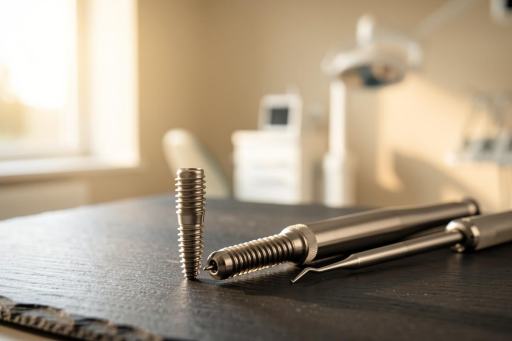
Low bone volume solutions like short implants are designed specifically for challenging cases. They typically range from 6 to 8 millimeters in length. This design allows for placement in areas where traditional implants may fail. Compared to sinus lifts, short implants can be a simpler and less invasive option. Patients often experience less discomfort and quicker recovery when opting for shorter implants.
Dental implant alternatives can also include techniques like zygomatic implants. These implants anchor in the cheekbone, providing additional support for patients with severe bone loss. While short implants are effective, it is crucial to weigh all options when considering dental restoration. Each case is unique, and your dentist can help determine the most suitable approach.
Exploring short dental implants offers valuable benefits for individuals with low bone volume. These implants provide a reliable solution while avoiding complex procedures. Consulting with a dental professional will help identify the best options for your needs. Taking proactive steps can lead to a successful dental restoration and improved quality of life.
Top 3 Alternatives to Sinus Lift for Dental Implants
Top 3 alternatives to sinus lift for dental implants can significantly enhance treatment options. Many patients face challenges due to insufficient bone height in the upper jaw. Exploring these alternatives can help individuals achieve successful dental restoration without invasive procedures.
Zygomatic implants are a popular option for patients with severe bone loss. These implants anchor into the zygomatic bone, providing greater stability. By using zygomatic implants, the need for sinus lifts is often eliminated. This option is ideal for patients who wish to avoid additional surgeries and recovery time.
Tilted dental implants offer another effective solution, especially for those with limited bone. By angling the implants, dentists can maximize existing bone structure. This approach can help support longer prosthetic teeth while bypassing sinus lift complications. Patients often find this method less invasive and quicker to implement.
Considering alternatives to sinus lift can lead to better outcomes for many patients. Zygomatic and tilted dental implants provide reliable solutions while minimizing surgical interventions. Consulting with a dental professional will help identify the best option for individual needs. Taking these steps can pave the way for a successful dental implant procedure and improved overall health.
Plan Your Bone Grafting or Sinus Lift Consultation
Share a few details about your planned dental treatment and available records. This helps the clinic understand what you would like to discuss before your consultation.
Plan Your Bone Grafting or Sinus Lift Consultation
Let us know whether you have already discussed this treatment with a dental professional. You can briefly describe any scans, X-rays, or treatment recommendations you have.
Plan Your Bone Grafting or Sinus Lift Consultation
Share any relevant history about the area and your questions for the consultation. Answer only what you are comfortable providing.
Contact information
Your information is only used to contact you and is never shared with third parties.
Your request has been received!
Thank you. Your information has been submitted for review, and the clinic will follow up using the contact details provided separately.
How to Choose the Best Dental Implant Option for Bone Loss
Choosing the best dental implant option for bone loss is crucial for successful restoration. Patients with dental bone loss face unique challenges when considering implants. Evaluating various factors helps determine the most suitable approach for individual needs.
Assessing the extent of bone loss is essential. Some patients may benefit from short dental implants, which require less bone height. Others may consider alternatives like zygomatic implants, which anchor into the cheekbone. Your dentist will evaluate your specific situation to recommend appropriate options.
A dental implant consultation is vital for making informed decisions. During this meeting, your dentist will discuss the best dental implant for bone loss based on your health and lifestyle. They will provide insights on treatment duration, recovery, and potential risks associated with each option. This personalized approach ensures that you receive tailored recommendations.
Taking proactive steps can lead to successful dental restoration. Exploring dental bone loss options with your dentist will help clarify the best choice. Being informed and engaged in the decision-making process is essential. This approach will lead to improved dental health and a renewed smile.
Crucial Benefits and Risks of Avoiding Bone Grafting Procedures
Crucial benefits and risks of avoiding bone grafting procedures must be carefully considered. Many patients seek to eliminate the need for additional surgeries. This choice can lead to quicker procedures and less discomfort during recovery. However, it is essential to weigh the potential risks of skipping bone graft against these advantages.
Benefits of no bone graft dental implants include shorter healing times. Patients often experience less pain and fewer complications as well. By avoiding bone grafting, individuals can return to their normal routines faster. Additionally, this option can reduce overall treatment costs, making it more appealing for many.
However, skipping bone grafting may not be suitable for everyone. Dental implant risks can increase if there is insufficient bone support. Patients may face complications, such as implant failure or shifting teeth. It is crucial to evaluate your specific dental condition before deciding to bypass bone grafting.
Making informed decisions about dental procedures is vital for success. Discussing your options with a dental professional will clarify the best approach for your situation. Healing without bone graft can be an effective solution, but it requires careful consideration. Engaging in a thorough consultation will help ensure a successful outcome and lasting dental health.
Key Takeaways
- Short dental implants are a viable alternative for patients with limited bone height, allowing for effective dental restoration without extensive procedures.
- Zygomatic implants anchor into the cheekbone, providing stability for patients with severe bone loss and eliminating the need for sinus lifts.
- Avoiding bone grafting can lead to shorter recovery times and reduced treatment costs, making the procedure more appealing for many patients.
- Patients should discuss potential risks with their dentist, as skipping bone grafting may increase the likelihood of implant failure or complications.
- A thorough dental consultation is crucial for assessing individual circumstances and determining the most suitable implant options.
Frequently Asked Questions
What are dental implants without bone grafting options?
Dental implants without bone grafting can be a practical solution. They allow placement even with limited bone density. Options include short implants and tilted implants for better support. These alternatives can simplify the process for many patients.
How do short implants compare to sinus lifts?
Short implants provide a viable alternative to sinus lifts. They require less bone height for successful placement. Patients may experience fewer complications with short implants. This option can significantly reduce recovery time and discomfort.
What are the benefits of avoiding a sinus lift?
Avoiding a sinus lift can streamline the dental implant process. Patients often face shorter recovery times and less pain. This approach also reduces costs associated with additional procedures. Many individuals find this option appealing for their dental needs.
Can I get dental implants if I have bone loss?
Yes, dental implants can still be placed with bone loss. Various options are available, including implants without grafting. Consulting with a dentist will help determine the best approach. Your specific condition will guide the treatment plan.
What alternatives exist to sinus lift procedures?
Alternatives to sinus lift include short implants and zygomatic implants. These options provide stability without extensive bone manipulation. They can be effective for patients with limited bone height. Discussing these options with a dentist is essential.
The information provided is for educational purposes only and does not constitute medical advice. Always consult with a healthcare professional for medical guidance specific to your situation.