Quick answer
Bone grafting and sinus lift procedures may be necessary for patients with insufficient bone volume to support dental implants. Patients should prepare relevant medical records and consult with licensed clinicians to determine their suitability for these procedures.
Overview
Bone grafting and sinus lift procedures may be needed when bone volume is not enough to support dental implants safely. This guide is written for international patients comparing care in Turkey and preparing for a structured specialist review. It is educational information, not a diagnosis, personal treatment recommendation, or guarantee of outcome; final decisions must be made after examination by licensed clinicians.
Who may request an assessment?
Patients may request review after tooth loss, failed implants, long-term denture use, or when CBCT shows limited bone height. Suitability depends on age, general health, medications, allergies, previous procedures, expectations, and the amount of time available for recovery. For surgical or invasive care, patients should share chronic conditions, smoking status, anesthesia history, and any previous complications before travel is planned.
Records to prepare before review
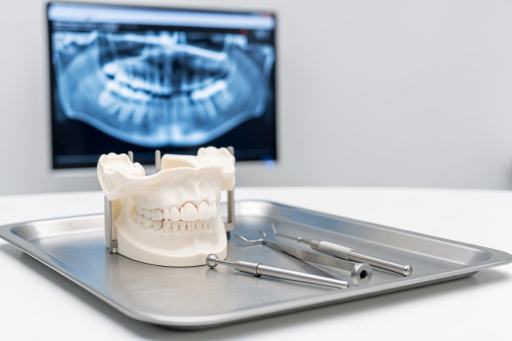
Prepare recent photographs, dental imaging or relevant scans, blood tests when available, previous operation notes, a medication list, allergies, and a short summary of goals. Dental planning is stronger with panoramic X-rays or CBCT files; aesthetic planning is stronger with clear photographs from several angles and a record of previous fillers, implants, or surgery.
Plan Your Bone Grafting or Sinus Lift Consultation
Share a few details about your planned dental treatment and available records. This helps the clinic understand what you would like to discuss before your consultation.
Plan Your Bone Grafting or Sinus Lift Consultation
Let us know whether you have already discussed this treatment with a dental professional. You can briefly describe any scans, X-rays, or treatment recommendations you have.
Plan Your Bone Grafting or Sinus Lift Consultation
Share any relevant history about the area and your questions for the consultation. Answer only what you are comfortable providing.
Contact information
Your information is only used to contact you and is never shared with third parties.
Your request has been received!
Thank you. Your information has been submitted for review, and the clinic will follow up using the contact details provided separately.
Planning and safety questions
- Am I a suitable candidate for this procedure or condition pathway?
- What are the realistic alternatives, limitations, and recovery timelines?
- Which materials, techniques, implant systems, or devices will be documented?
- How does the clinic handle follow-up if a complication occurs?
- What care or review is needed after I return home?
Coordinating care in Turkey
SpesHealth can help organize records, initial provider communication, expected timelines, translation needs, and travel logistics. The goal is to help patients reach the medical decision point with transparent information, realistic expectations, and a written care plan from the treating provider.
Travel and follow-up
Travel dates should match the procedure type, planned controls, dressing changes, and any temporary restoration stages. Do not shorten follow-up just to fit flights. Seek urgent medical care for severe pain, fever, breathing difficulty, uncontrolled bleeding, vision changes, signs of infection, or any rapidly worsening symptom.
Key Takeaways
- Patients may seek an assessment after tooth loss, failed implants, or when imaging shows limited bone height.
- It is important to disclose chronic conditions, smoking status, and any previous complications before planning travel for surgery.
- Preparing recent photographs and dental imaging can strengthen dental planning for procedures.
- Patients should inquire about realistic alternatives and recovery timelines during their assessment.
- Urgent medical care should be sought for severe symptoms such as pain, fever, or signs of infection after the procedure.