Quick answer
Upper blepharoplasty is a surgical procedure designed to improve the appearance and functionality of hooded or heavy eyelids. It can enhance vision and boost self-confidence for many patients.
Upper Blepharoplasty for Hooded or Heavy Eyelids: Procedure, Visual Field, and Results
Upper blepharoplasty is an essential option for individuals with hooded or heavy eyelids. This procedure can greatly improve both appearance and functionality. Many patients seek upper eyelid surgery to enhance their vision and restore a youthful look. As eyelids naturally lose elasticity with age, performing this surgery has gained popularity among various age groups.
Patients with heavy eyelids often experience vision impairment, which can affect daily activities. Upper blepharoplasty addresses these concerns effectively, restoring a clear line of sight. This type of surgery not only enhances aesthetics but also significantly improves quality of life. Seeing better and feeling more confident are vital benefits that patients can enjoy.
Real results from upper eyelid surgery reveal transformative changes for many individuals. Witnessing before-and-after photos highlights the impact on both vision and appearance. Consulting with a qualified surgeon can help determine if this procedure is right. Exploring the various aspects of upper blepharoplasty can provide valuable insights into its benefits.
Plan your blepharoplasty consultation
Share a few details about the eyelid surgery options you would like to discuss. Your answers help the care team understand your goals and prepare for a consultation.
Plan your blepharoplasty consultation
These questions provide background for the consultation. Select the answer that best describes your situation.
Plan your blepharoplasty consultation
Share timing preferences and any details you want the care team to consider. Keep your response general and avoid including contact information.
Contact information
Your information is only used to contact you and is never shared with third parties.
Your request has been received!
Thank you. Your inquiry has been submitted for review, and the care team can use these details to prepare for your consultation.
5 Vital Reasons to Consider Upper Blepharoplasty for Hooded Eyelids
Upper blepharoplasty is a transformative procedure that addresses hooded eyelids effectively. Many individuals experience visual obstruction due to sagging skin. This surgery can significantly improve both vision and overall appearance. Patients often seek upper eyelid surgery to regain their youthful look and enhance functionality.
One of the primary benefits of eyelid surgery is improved vision. Sagging eyelids can restrict peripheral vision, making daily activities more challenging. By removing excess skin and fat, patients often enjoy a clearer line of sight. This enhancement can lead to increased safety while driving and participating in sports.
Another vital reason for upper blepharoplasty is the boost in self-confidence. Many people feel self-conscious about their heavy eyelids. After the surgery, patients frequently report feeling more attractive and youthful. These psychological benefits can enhance social interactions and overall well-being.
Considering the reasons for upper eyelid surgery is crucial for informed decisions. The procedure not only addresses functional issues but also improves aesthetic appeal. Consulting with a qualified surgeon can provide personalized recommendations. Exploring the benefits of eyelid surgery can pave the way for a more confident and fulfilling life.
How Upper Blepharoplasty Surgery Works: Step-by-Step Guide
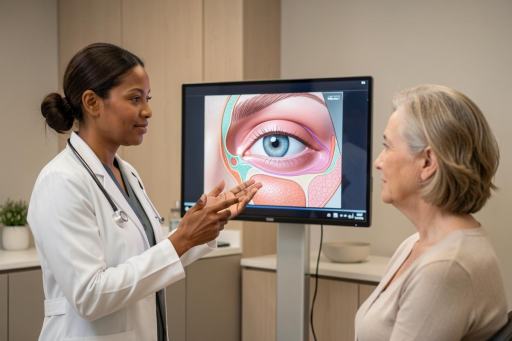
The upper blepharoplasty procedure involves several important steps to achieve optimal results. This surgery begins with a comprehensive consultation with a qualified surgeon. During this initial meeting, the surgeon evaluates your eyelids and discusses your goals. Establishing clear expectations is essential for a successful upper eyelid surgery process.
After the consultation, the next step is the surgical day. Patients are typically given local anesthesia to minimize discomfort. The surgeon then marks the areas for incision, ensuring precision. Following this, the excess skin and fat are carefully removed, reshaping the eyelid.
Once the removal is complete, the surgeon closes the incisions with fine sutures. This careful technique helps to minimize scarring and promote healing. Post-operative instructions are crucial for a smooth recovery. Patients are advised on how to care for their eyelids during the healing phase.
Planning for the upper blepharoplasty procedure requires careful consideration of each step. Knowing what to expect can ease anxiety and lead to better outcomes. Consult with your surgeon to discuss the eyelid surgery steps in detail. This information can empower you to make informed decisions about your surgical journey.
Visual Field Improvement: How Upper Eyelid Surgery Helps You See Better
Visual field improvement is a significant benefit of upper eyelid surgery. Patients with heavy or hooded eyelids often face restricted vision. This condition can hinder daily activities and overall quality of life. Upper blepharoplasty results in enhanced visibility, allowing for a more comfortable experience.
Eyelid surgery and vision improvement go hand in hand. By removing excess skin and fat, the procedure opens up the eye area. Patients frequently report a wider field of vision after surgery. This improvement can make activities like driving and reading much easier.
Additionally, many individuals experience a renewed sense of safety with improved eyesight. Clearer vision allows for better spatial awareness and reduces the risk of accidents. Enhanced visibility can also boost confidence in social situations. Patients often feel less self-conscious about their appearance and more engaged in life.
Considering upper blepharoplasty can be a life-changing decision. The potential to improve eyesight with eyelid surgery is a vital factor. Discussing your specific concerns with a qualified surgeon can provide clarity. Exploring visual field improvement through this surgery can lead to a brighter future.
Plan your blepharoplasty consultation
Share a few details about the eyelid surgery options you would like to discuss. Your answers help the care team understand your goals and prepare for a consultation.
Plan your blepharoplasty consultation
These questions provide background for the consultation. Select the answer that best describes your situation.
Plan your blepharoplasty consultation
Share timing preferences and any details you want the care team to consider. Keep your response general and avoid including contact information.
Contact information
Your information is only used to contact you and is never shared with third parties.
Your request has been received!
Thank you. Your inquiry has been submitted for review, and the care team can use these details to prepare for your consultation.
What to Expect During Recovery: Pain, Swelling, and Healing Timeline
What to expect during recovery is essential for upper blepharoplasty patients. Post-surgery, individuals experience various levels of pain and swelling. These symptoms are normal reactions as the body begins the healing process. Knowing these aspects can significantly ease anxiety during recovery.
Blepharoplasty recovery tips focus on managing pain and swelling effectively. Patients may notice bruising and swelling around their eyes. Applying cold compresses can help reduce these symptoms and promote comfort. Following your surgeon's aftercare instructions is crucial for optimal eyelid surgery healing.
Many patients report discomfort in the first few days post-surgery. This pain is generally manageable with prescribed medications. Monitoring your recovery closely can prevent complications, ensuring a smoother healing timeline. Most individuals return to normal activities within a week to ten days.
Planning for upper eyelid surgery aftercare is vital for success. Being prepared can make the recovery process easier. Discuss any concerns with your surgeon to create a tailored recovery plan. Taking proactive steps can lead to a more comfortable and effective healing experience.
Real Results: Before-and-After Transformations and Patient Stories
Real results highlight the effectiveness of upper eyelid surgery. Many patients share their before-and-after transformations, showcasing impressive changes. These visual examples provide insight into what hooded eyelid surgery can achieve. The impact on both appearance and self-esteem is often profound.
Upper eyelid surgery results can vary, but many patients are thrilled. For instance, one patient reported a significant improvement in vision and confidence. After surgery, they felt more alert and youthful. Such positive outcomes reflect the potential of blepharoplasty to enhance quality of life.
Patient stories further illustrate the transformative nature of this procedure. Many individuals express relief at no longer struggling with droopy eyelids. Their experiences highlight the emotional benefits of improved aesthetics. Eyelid surgery outcomes often include increased self-esteem and better social interactions.
Considering the real results of upper blepharoplasty can guide your decision. Reviewing hooded eyelid surgery before and after photos helps set realistic expectations. Consulting with experienced surgeons can provide personalized insights. Embracing the potential for transformation can lead to a more fulfilling life.
Key Takeaways
- Upper blepharoplasty effectively addresses visual obstruction caused by sagging eyelids.
- The procedure can significantly improve both vision and overall appearance for individuals with heavy eyelids.
- Many patients report increased self-confidence and a more youthful look after undergoing eyelid surgery.
- Post-operative care is crucial for optimal healing, and patients should follow their surgeon's instructions closely.
- Consulting with a qualified surgeon is essential to determine if upper blepharoplasty is the right choice for you.
Frequently Asked Questions
What is upper blepharoplasty and why is it done?
Upper blepharoplasty is a surgical procedure for hooded eyelids. It removes excess skin and fat from the upper eyelids. This surgery improves vision and enhances appearance. Many patients seek this for cosmetic and functional reasons.
How does the upper eyelid surgery process work?
The upper eyelid surgery process includes consultation and surgical steps. During surgery, the surgeon removes excess skin and fat. Anesthesia is used to minimize discomfort during the procedure. Recovery involves following specific aftercare instructions for best results.
When can I expect to see upper eyelid surgery results?
Upper eyelid surgery results are typically visible after a few weeks. Initial swelling may take time to subside completely. Most patients notice significant improvements within one month. Final results can be appreciated after full healing occurs.
Can upper blepharoplasty improve my vision significantly?
Yes, upper blepharoplasty can improve vision for many patients. Droopy eyelids often obstruct peripheral vision, affecting daily activities. After surgery, patients frequently report enhanced sight and comfort. This improvement can lead to a more active lifestyle.
What are common risks associated with hooded eyelid surgery?
Common risks of hooded eyelid surgery include infection and scarring. Some patients may experience temporary vision changes after the procedure. Following post-operative care guidelines helps minimize these risks. Discussing concerns with your surgeon is essential for safety.
The information provided is for educational purposes only and does not constitute medical advice. Always consult with a healthcare professional for medical guidance specific to your situation.