Quick answer
Candidates for blepharoplasty typically have excess skin or drooping eyelids that affect their vision or appearance. Age and overall eye health are important factors to consider when evaluating candidacy for this procedure.
Am I a Good Candidate for Blepharoplasty? Age, Eye Health, Dry Eye, and Expectations
Blepharoplasty, commonly referred to as eyelid surgery, is increasingly popular among patients seeking rejuvenation. Many individuals experience droopy eyelids or puffiness that affects their appearance and self-esteem. This procedure addresses concerns related to excess skin and fat around the eyes, restoring a more youthful look. For those considering this option, evaluating candidacy is essential to achieve desired results.
Age plays a crucial role in determining who is a good candidate for blepharoplasty. Younger patients may seek the surgery for aesthetic reasons, while older adults often focus on functional improvements. Certain eye health conditions, such as dry eyes, can complicate candidacy and impact recovery. Understanding how these factors influence your eligibility is vital for a successful outcome.
Blepharoplasty with dry eyes poses unique challenges that require careful consideration. Patients with pre-existing eye conditions should discuss their concerns with healthcare professionals. Making informed decisions about this procedure can lead to satisfying results and improved quality of life. Exploring these factors will empower you to take the next step in your cosmetic journey.
Plan your blepharoplasty consultation
Share a few details about the eyelid surgery options you would like to discuss. Your answers help the care team understand your goals and prepare for a consultation.
Plan your blepharoplasty consultation
These questions provide background for the consultation. Select the answer that best describes your situation.
Plan your blepharoplasty consultation
Share timing preferences and any details you want the care team to consider. Keep your response general and avoid including contact information.
Contact information
Your information is only used to contact you and is never shared with third parties.
Your request has been received!
Thank you. Your inquiry has been submitted for review, and the care team can use these details to prepare for your consultation.
Top 5 Signs You’re Ready for Blepharoplasty Surgery
Recognizing the signs you’re ready for blepharoplasty surgery is essential. Many individuals seek eyelid surgery to enhance their appearance and regain confidence. Common indicators include sagging eyelids, puffiness, and impaired vision. Patients often wonder who needs blepharoplasty and what factors contribute to candidacy.
One of the primary signs of candidacy is persistent eyelid drooping. This condition can significantly impact your daily life. If you often find yourself lifting your eyebrows to see better, it may be time to consider eyelid surgery. Excess skin can obstruct your vision and cause discomfort.
Another crucial sign is the presence of bags under your eyes. Fat deposits can create a tired or aged appearance, even when you feel well-rested. If these bags persist despite lifestyle changes, you might be a suitable candidate for blepharoplasty. Addressing this concern can lead to a more youthful and vibrant look.
Practical takeaways include scheduling a consultation with a qualified surgeon. Discussing your concerns will provide clarity on your suitability for surgery. Evaluating signs of eyelid surgery will guide your decision-making process. Taking the first step toward an improved appearance can lead to renewed confidence.
Best Age for Blepharoplasty: What Research Reveals
Determining the best age for blepharoplasty is crucial for optimal results. Research indicates that both younger and older adults can benefit from this surgery. Factors such as skin elasticity and individual needs play significant roles in candidacy. Evaluating the ideal age for eyelid surgery can lead to enhanced satisfaction.
Younger patients, typically in their late twenties and thirties, may seek blepharoplasty for aesthetic reasons. They often have minimal skin laxity but desire a more alert appearance. Many find that early intervention helps prevent further aging signs. This approach can lead to better long-term results and a youthful look.
For older adults, the best age for blepharoplasty often coincides with significant skin sagging. As skin loses elasticity, drooping eyelids can obstruct vision. Addressing this issue not only improves appearance but also enhances functionality. Many patients in their forties and fifties report high satisfaction after surgery.
Consulting with a qualified surgeon helps determine your ideal age for eyelid surgery. Assessing your unique needs and concerns is essential for successful outcomes. Age and blepharoplasty results vary widely, making personalized guidance important. Taking the first step toward rejuvenation can lead to a more confident you.
How Eye Health Impacts Blepharoplasty Success
Eye health plays a vital role in blepharoplasty success. Pre-existing conditions can significantly affect surgical outcomes. Patients with healthy eyes tend to experience smoother recoveries and better results. Evaluating the relationship between eye health and blepharoplasty is essential for prospective candidates.
Certain eye conditions may complicate the safety of blepharoplasty. For example, individuals with chronic dry eyes may face heightened risks during surgery. Proper assessment is necessary to ensure a safe blepharoplasty. Addressing these concerns can prevent complications and improve overall satisfaction.
A thorough eye exam before blepharoplasty is crucial. This examination helps identify any potential issues that could impact surgery. Surgeons can recommend tailored solutions for patients with specific eye conditions. Open communication about your eye health leads to informed decisions.
Consulting with a qualified ophthalmologist can help determine your candidacy. Discussing your eye history ensures a safe surgical experience. Prioritizing eye health and blepharoplasty can lead to improved results. Taking proactive steps will guide you toward a successful outcome and renewed confidence.
Plan your blepharoplasty consultation
Share a few details about the eyelid surgery options you would like to discuss. Your answers help the care team understand your goals and prepare for a consultation.
Plan your blepharoplasty consultation
These questions provide background for the consultation. Select the answer that best describes your situation.
Plan your blepharoplasty consultation
Share timing preferences and any details you want the care team to consider. Keep your response general and avoid including contact information.
Contact information
Your information is only used to contact you and is never shared with third parties.
Your request has been received!
Thank you. Your inquiry has been submitted for review, and the care team can use these details to prepare for your consultation.
Blepharoplasty with Dry Eyes: Crucial Risks and Solutions
Blepharoplasty with dry eyes presents unique challenges for patients. Individuals experiencing dry eye syndrome may face heightened risks during and after surgery. Managing these risks is essential for achieving successful outcomes. Patients must be aware of the potential complications related to dry eyes.
Dry eye after eyelid surgery can manifest in various ways. Symptoms may include increased discomfort, sensitivity to light, and blurred vision. These issues can lead to dissatisfaction with surgical results. Addressing dry eye risks before surgery is crucial for a smooth recovery.
Consulting with an eye care specialist is vital for patients with dry eyes. They can recommend appropriate treatment options before and after blepharoplasty. Common solutions include using lubricating eye drops and anti-inflammatory medications. These strategies can help mitigate symptoms and promote healing.
Preparing for blepharoplasty with dry eyes involves proactive management. Discussing your eye health with your surgeon is essential for personalized care. Proper planning can lead to a more comfortable experience and better results. Taking these steps will help you feel confident in your decision to undergo eyelid surgery.
Setting Realistic Expectations: What Blepharoplasty Can and Cannot Do
Setting realistic expectations is key for anyone considering blepharoplasty. Patients often hope for dramatic changes but must recognize the procedure's limitations. Knowing what blepharoplasty can and cannot do helps guide your decision. Clear communication with your surgeon will improve your overall experience.
Blepharoplasty can significantly enhance your appearance by removing excess skin. Many patients report a more youthful and refreshed look after surgery. However, this procedure does not address underlying issues such as sagging brows or crow’s feet. These factors can influence eyelid surgery results and should be discussed beforehand.
Realistic outcomes from eyelid surgery often include improved vision and reduced puffiness. Patients may also experience increased confidence and satisfaction with their appearance. However, results will vary based on individual factors such as skin type and age. Being open about your goals will help set attainable expectations.
Consult with your surgeon to discuss your specific concerns and desires. They can provide tailored advice on what blepharoplasty can do for you. Keeping realistic expectations in mind will lead to a more satisfying experience. Taking the time to understand the possibilities will empower you in your cosmetic journey.
Key Takeaways
- Blepharoplasty can improve both appearance and functionality by addressing sagging eyelids and puffiness.
- Younger patients may seek surgery for aesthetic reasons, while older adults often focus on functional improvements.
- Pre-existing eye conditions, such as dry eyes, can complicate candidacy and recovery from blepharoplasty.
- A thorough eye exam prior to surgery is essential to identify any potential issues that could affect the procedure.
- Setting realistic expectations about the outcomes of blepharoplasty is crucial for patient satisfaction.
Frequently Asked Questions
What are the ideal characteristics of a blepharoplasty candidate?
A good blepharoplasty candidate typically has excess skin. Candidates often experience droopy eyelids that affect vision. Age is not the only factor; overall eye health matters too. Discussing your specific concerns with a surgeon is essential.
How old should I be for the best age for blepharoplasty?
The best age for blepharoplasty varies among individuals. Younger patients may seek surgery for cosmetic reasons. Older adults often opt for functional improvements in vision. Consulting with a qualified surgeon helps determine the right timing.
Can I have blepharoplasty with dry eyes safely?
Blepharoplasty with dry eyes is possible but requires careful evaluation. Patients should discuss their eye condition before surgery. Managing dry eye symptoms helps improve surgical outcomes. A thorough eye exam will ensure safety during the procedure.
How does age affect the results of blepharoplasty?
Age can influence the healing process and skin elasticity. Younger patients often experience quicker recovery and better results. Older patients may need to manage more skin laxity. Personalized treatment plans can address age-related concerns effectively.
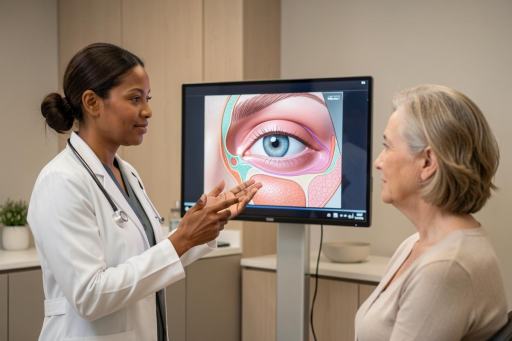
What should I expect during my blepharoplasty consultation?
During your consultation, expect a discussion about your goals. The surgeon will evaluate your eye health and skin condition. They will explain the procedure and potential risks involved. Prepare to ask questions to clarify your concerns.
The information provided is for educational purposes only and does not constitute medical advice. Always consult with a healthcare professional for medical guidance specific to your situation.