Quick answer
Roux-en-Y gastric bypass is a weight-loss surgery that alters the digestive system to promote significant weight loss and improve health. Patients must adopt new lifestyle habits post-surgery to ensure long-term success and prevent complications.
Roux-en-Y Gastric Bypass: Procedure, Weight-Loss Results, Benefits, and Long-Term Risks
Roux-en-Y gastric bypass is a widely recognized weight-loss surgery that offers patients a viable solution for obesity. This procedure not only helps individuals achieve significant weight loss but also improves overall health. Many patients experience reduced risks of obesity-related conditions such as diabetes, hypertension, and sleep apnea. As the prevalence of obesity continues to rise, understanding the benefits and risks of gastric bypass becomes increasingly important for those considering surgical options.
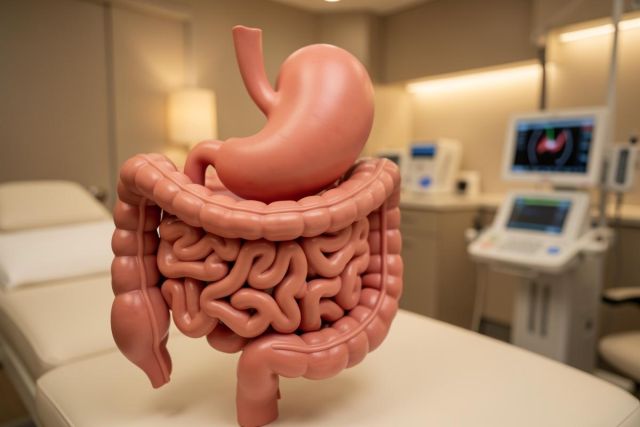
Patients often seek information about the Roux-en-Y gastric bypass procedure to make informed decisions. This weight-loss surgery involves creating a small stomach pouch and rerouting the intestines, which alters how food is digested. Effective long-term weight-loss results can be achieved, enhancing quality of life and promoting better health overall. Adopting new lifestyle habits post-surgery is vital for sustained success and preventing complications.
Long-term risks associated with Roux-en-Y gastric bypass should not be overlooked. Recognizing these potential complications helps patients prepare for their recovery journey. Embracing a proactive approach to health and well-being is essential after this transformative surgery. Exploring all aspects of the Roux-en-Y gastric bypass will empower individuals on their path to better health and lasting weight loss.
Explore Bariatric Surgery Options
Share a few details about your weight-loss surgery interests so a care team can help outline suitable options, preparation, recovery, and follow-up planning.
Medical background
This information provides general context for the care team. Answer as much as you feel comfortable sharing and avoid including information that is not relevant.
Planning preferences
These questions help with practical planning and communication. Select the option that best reflects your current situation.
Contact information
Your information is only used to contact you and is never shared with third parties.
Your request has been received!
Thank you. Your information has been received for review. A care coordinator will follow up using the contact details provided separately.
What Happens During Roux-en-Y Gastric Bypass Surgery?
The Roux-en-Y gastric bypass procedure is a surgical method designed for significant weight loss. This operation changes how your body digests food, helping you achieve lasting results. Patients often benefit from a reduced appetite and improved metabolic function. The gastric bypass steps are crucial for achieving the desired outcomes.
The surgery typically begins with the administration of anesthesia to ensure patient comfort. Surgeons then create a small pouch at the top of the stomach, limiting food intake. They reroute the small intestine to connect to this pouch, altering how Roux-en-Y works. This rerouting allows food to bypass a portion of the stomach and small intestine, leading to decreased calorie absorption.
During the gastric bypass surgery process, surgeons utilize minimally invasive techniques whenever possible. Laparoscopic surgery reduces recovery time and minimizes scarring. Patients usually spend one to two days in the hospital for monitoring. After surgery, a strict diet is required to facilitate healing and promote weight loss.
Long-term success after Roux-en-Y gastric bypass depends on lifestyle changes. Patients must adopt healthier eating habits and incorporate regular exercise. Following medical advice is vital for achieving optimal weight-loss results. Exploring gastric bypass options with your healthcare provider can help you make informed decisions about this procedure.
Top 7 Essential Benefits of Roux-en-Y Gastric Bypass
The benefits of Roux-en-Y gastric bypass are significant for many patients. This weight-loss surgery provides a practical solution for obesity-related health issues. Patients often experience dramatic weight loss and improved quality of life. Long-lasting effects make this procedure a popular choice among individuals seeking change.
One of the most noteworthy advantages is rapid weight loss. Many patients lose a substantial portion of their excess weight within the first year. This process can lead to reduced health risks associated with obesity. Improved health after gastric bypass often includes better blood sugar control and lowered cholesterol levels.
Another essential benefit is the positive impact on mental health. Many individuals report an increase in self-esteem and overall happiness. The transformation can motivate patients to adopt healthier lifestyles. Metabolic improvements following surgery often result in increased energy levels and improved physical activity.
Patients should consider these benefits when exploring weight-loss options. Roux-en-Y gastric bypass offers a path to not only weight loss but also enhanced well-being. Consulting with a healthcare provider can help determine if this procedure is right for you. Taking this step may lead to a healthier and happier future.
Impressive Weight-Loss Results After Gastric Bypass: What to Expect
Impressive weight-loss results after gastric bypass are a major reason for choosing this procedure. Many patients experience significant changes in their body weight and health. The surgery leads to a new lifestyle that promotes sustainable weight loss. Expecting these results can motivate individuals to commit to their wellness journey.
Gastric bypass weight-loss results can vary, but most patients see rapid progress. Within the first six months, individuals often lose 30% to 50% of their excess weight. This initial phase is crucial for setting the stage for long-term success. After one year, many people achieve 60% to 80% of their excess weight loss.
The expected weight loss after Roux-en-Y often continues for up to two years. During this time, patients must adopt healthy habits to maintain their progress. Regular follow-up appointments with healthcare providers help monitor weight loss and nutritional intake. A well-structured weight loss timeline gastric bypass can assist in setting achievable goals.
Long-term weight loss surgery results depend on lifestyle changes after surgery. Patients should focus on balanced nutrition and regular physical activity. Staying engaged with support groups can also provide motivation. Exploring these strategies will enhance the chances of achieving lasting weight loss success. Taking action now can lead to a healthier future and improved quality of life.
Explore Bariatric Surgery Options
Share a few details about your weight-loss surgery interests so a care team can help outline suitable options, preparation, recovery, and follow-up planning.
Medical background
This information provides general context for the care team. Answer as much as you feel comfortable sharing and avoid including information that is not relevant.
Planning preferences
These questions help with practical planning and communication. Select the option that best reflects your current situation.
Contact information
Your information is only used to contact you and is never shared with third parties.
Your request has been received!
Thank you. Your information has been received for review. A care coordinator will follow up using the contact details provided separately.
Crucial Long-Term Risks and Complications of Roux-en-Y Gastric Bypass
Crucial long-term risks and complications of Roux-en-Y gastric bypass should be taken seriously. While the surgery offers numerous benefits, it also carries potential challenges. Awareness of these risks can help patients make informed decisions about their health. Addressing gastric bypass complications is essential for long-term success.
One significant concern is the possibility of nutritional deficiencies after bypass. The altered digestive system can limit nutrient absorption, leading to deficiencies in vitamins and minerals. Common deficiencies include vitamin B12, iron, and calcium. Regular monitoring and supplementation are crucial to prevent these complications.
Another risk involves long-term gastric bypass side effects such as dumping syndrome. This condition occurs when food moves too quickly into the small intestine, causing nausea and diarrhea. Patients may also experience gastrointestinal issues like bowel obstruction or ulcers in rare cases. Staying informed about these symptoms can help individuals manage their health more effectively.
Patients should prioritize follow-up care to mitigate these risks. Regular check-ups with healthcare providers can help monitor nutritional status and overall health. Adopting a balanced diet rich in vitamins and minerals is vital for maintaining well-being. Exploring these options will empower patients to navigate their post-surgery journey successfully. Taking proactive steps can enhance health outcomes and improve quality of life after Roux-en-Y gastric bypass.
How to Maintain Healthy Habits After Gastric Bypass Surgery
How to maintain healthy habits after gastric bypass surgery is vital for long-term success. This transition requires commitment and dedication to new lifestyle choices. Adopting these habits ensures sustained weight loss and improved health. Focusing on nutrition and physical activity is key to achieving your goals.
Developing a balanced diet is essential for healthy habits after gastric bypass. Prioritize high-protein foods and limit sugary or high-fat items. Incorporating fruits and vegetables can enhance nutrient intake while supporting digestion. Patients should also stay hydrated by drinking plenty of water throughout the day.
Regular physical activity plays a crucial role in maintaining weight loss Roux-en-Y. Engaging in exercise helps improve metabolism and strengthens muscles. Aim for at least 150 minutes of moderate aerobic activity each week. Finding enjoyable activities, like walking or swimming, can make exercise more sustainable.
Long-term care after gastric bypass includes regular follow-up appointments with healthcare providers. These check-ups help monitor weight loss, nutritional status, and overall health. Staying connected with support groups can provide motivation and encouragement. Taking these proactive steps can lead to lasting success and a healthier lifestyle after surgery. Embrace these changes to enjoy a vibrant, fulfilling life.
Key Takeaways
- Roux-en-Y gastric bypass creates a small stomach pouch and reroutes the intestines to limit food intake and calorie absorption.
- Patients can expect to lose a substantial portion of their excess weight within the first year after surgery.
- Long-term risks include nutritional deficiencies and gastrointestinal issues, making regular follow-up care essential.
- Adopting a balanced diet rich in protein and engaging in regular physical activity are crucial for maintaining weight loss after surgery.
- Staying connected with support groups can provide motivation and encouragement during the post-surgery journey.
Frequently Asked Questions
What is Roux-en-Y gastric bypass surgery?
Roux-en-Y gastric bypass surgery is a weight-loss procedure. It alters the digestive system to promote quick weight loss. A small stomach pouch is created and connected to the intestine.
How does Roux-en-Y gastric bypass work?
Roux-en-Y gastric bypass works by limiting food intake. The surgery also reduces calorie absorption from food consumed. This combination results in significant weight loss over time.
What are the expected gastric bypass results and risks?
Expected gastric bypass results include substantial weight loss. Patients may also experience improved health conditions like diabetes. However, risks include nutritional deficiencies and potential complications.
How to prepare for gastric bypass surgery?
Preparing for gastric bypass surgery involves several key steps. Patients should follow a specific diet prescribed by their doctor. Attending pre-surgery consultations is also crucial for optimal outcomes.
When can I expect to see results after gastric bypass?
Results after gastric bypass can typically be seen within months. Many patients lose 30% to 50% of excess weight in the first six months. Long-term maintenance requires ongoing commitment to healthy habits.
The information provided is for educational purposes only and does not constitute medical advice. Always consult with a healthcare professional for medical guidance specific to your situation.