Quick answer
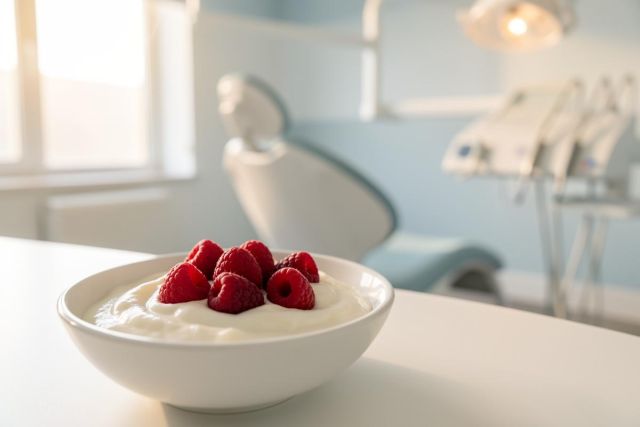
After All-on-4 surgery, focus on soft foods like yogurt, smoothies, and mashed potatoes during the first week to support healing. Gradually expand your diet with soft-cooked vegetables and tender proteins as you progress in recovery.
What Can You Eat After All-on-4 Surgery? A Week-by-Week Soft Food Guide
Eating after All-on-4 surgery is a crucial aspect of recovery. Choosing the right foods can significantly influence healing and comfort levels. A well-structured All-on-4 soft food diet promotes proper nutrition while minimizing discomfort during the initial recovery phase. Patients must pay attention to their dietary choices to ensure a smooth transition to solid foods.
During the first week following All-on-4 surgery, selecting suitable soft foods is essential. Many patients may find it challenging to know what to eat after All-on-4. Soft foods not only ease the healing process but also help maintain adequate nutrition during recovery. Incorporating nutrient-dense options will support overall health and well-being while your body heals.
As you progress in your recovery, understanding the right food textures becomes vital. Gradually reintroducing various foods can enhance your eating experience. Keeping a balanced diet is important for long-term dental health. Following a structured meal plan will make your journey smoother and more enjoyable.
Plan Your All-on-4 Dental Implant Consultation
Share a few details about your dental goals, previous care, and available records so clinics can better understand your needs.
Plan Your All-on-4 Dental Implant Consultation
These questions help providers understand what records may be available for an initial review. Do not include sensitive personal information in your answers.
Plan Your All-on-4 Dental Implant Consultation
Share your preferred timing and any questions you would like a dental provider to consider. Brief answers are welcome.
Contact information
Your information is only used to contact you and is never shared with third parties.
Your request has been received!
Thank you. Your information has been submitted for review by suitable dental providers.
Top 7 Vital Nutrition Tips for All-on-4 Recovery
Nutrition after All-on-4 surgery plays a critical role in your recovery. Proper dietary choices will facilitate healing and reduce discomfort. Focusing on nutrient-rich foods ensures that your body gets what it needs. By following these vital All-on-4 recovery tips, you can support your healing journey effectively.
Incorporating protein-rich foods is essential during recovery. Foods like yogurt, cottage cheese, and soft scrambled eggs provide necessary protein. Protein aids in tissue repair and promotes healing. Including these healing foods after All-on-4 surgery will enhance your overall nutrition.
Hydration is another crucial factor in your post-surgical diet. Drinking plenty of water helps prevent dehydration and supports recovery. Herbal teas and broths can also be soothing options. Maintaining proper hydration levels will enhance your body’s ability to heal effectively.
Creating a post-All-on-4 meal plan can simplify your dietary choices. Plan meals around soft, nutrient-dense foods that are easy to chew. Incorporate fruits like bananas and applesauce, which are gentle on the mouth.
Week 1: Best Soft Foods to Start Eating After All-on-4
Week 1 after All-on-4 surgery involves selecting the right soft foods. Soft foods All-on-4 are vital for promoting healing and comfort. Choosing gentle, easy-to-eat options will help you adjust to your new dental implants. Knowing what to eat after All-on-4 surgery can enhance your recovery experience.
Smoothies provide excellent nutrition while being easy to consume. Blend fruits like bananas, berries, and yogurt for a delicious treat. These nutrient-packed drinks are gentle on your mouth and help you stay hydrated. Incorporating smoothies into your first week eating after All-on-4 can be a great way to enjoy flavors without discomfort.
Mashed potatoes are another soothing choice for week one. Creamy and soft, they provide comfort and satisfaction. Adding a little butter or cheese can enhance flavor while maintaining texture. This popular side dish is an excellent option for soft foods after All-on-4.
As you navigate your meal options, consider soft-cooked vegetables. Foods like carrots, squash, and spinach can be easily mashed. These vegetables offer essential vitamins and minerals to support healing. Creating a balanced diet in your post-All-on-4 meal plan will promote overall health. Plan your meals wisely to ensure a smooth and enjoyable recovery.
Week 2: Expanding Your All-on-4 Soft Food Diet Safely
Week 2 All-on-4 is an important time to expand your soft food diet. Gradually introducing new foods can help you gain more nutrition. This careful approach ensures you remain comfortable while exploring different textures. Knowing what can you eat after All-on-4 will make this transition smoother.
Soft-cooked grains are excellent options for your expanded diet. Foods like oatmeal and cream of wheat provide energy and fiber. These soft food ideas for All-on-4 are easy to prepare and digest. Enhancing your meals with a bit of honey or cinnamon can make them more enjoyable.
Incorporating tender proteins is another way to diversify your diet. Foods such as finely shredded chicken or soft fish are ideal. These options provide essential nutrients that support healing. A focus on variety will help you stay satisfied and energized during recovery.
Weeks 3-4: Transitioning to Heartier Foods After All-on-4
Weeks 3 and 4 All-on-4 mark an exciting time in your recovery. This period allows you to gradually transition to heartier foods. Expanding your diet will help you regain a sense of normalcy. Knowing what to focus on during this transition is crucial for success.
Plan Your All-on-4 Dental Implant Consultation
Share a few details about your dental goals, previous care, and available records so clinics can better understand your needs.
Plan Your All-on-4 Dental Implant Consultation
These questions help providers understand what records may be available for an initial review. Do not include sensitive personal information in your answers.
Plan Your All-on-4 Dental Implant Consultation
Share your preferred timing and any questions you would like a dental provider to consider. Brief answers are welcome.
Contact information
Your information is only used to contact you and is never shared with third parties.
Your request has been received!
Thank you. Your information has been submitted for review by suitable dental providers.
Introducing well-cooked meats, such as ground turkey or tender beef, is a great step. These protein sources provide the nutrients necessary for healing. Incorporating heartier options can enhance your overall energy levels. These additions to your transitioning All-on-4 diet will make meals more satisfying.
Soft fruits, like peaches and berries, can also be included. These fruits are not only delicious but also provide essential vitamins. Incorporating these foods will keep your meals balanced and enjoyable. Choosing a variety of textures will help you adapt to solid foods.
As you move forward, pay attention to your body's signals. Gradually incorporating heartier foods will support your All-on-4 meal progression. Take it slow and ensure you remain comfortable with each change.
5 Crucial Mistakes to Avoid on the All-on-4 Soft Food Diet
Avoiding All-on-4 diet mistakes is essential for a smooth recovery. Many patients may inadvertently hinder their healing process by making poor food choices. Paying attention to what you eat can significantly impact your comfort and healing. Recognizing what not to eat after All-on-4 can help ensure a successful recovery.
One common mistake is consuming hard or crunchy foods too soon. Foods like nuts, chips, and raw vegetables can damage implants. Sticking to soft food errors after All-on-4 is crucial for protecting your dental work. Gradually transitioning to these foods will minimize discomfort and support healing.
Another mistake is neglecting hydration during the recovery process. Dehydration can impede healing and lead to complications. Drinking plenty of fluids, like water and herbal tea, is vital. Keeping hydrated supports your overall health and enhances your All-on-4 recovery tips.
Ignoring nutrient variety is also a significant pitfall. Relying solely on a few types of soft foods can lead to nutritional deficiencies. Incorporating a range of soft foods will help you meet your dietary needs.
Key Takeaways
- Choosing soft foods is essential for comfort and healing in the first week after All-on-4 surgery.
- Hydration is crucial; drink plenty of water and consider soothing options like herbal teas and broths.
- Avoid hard or crunchy foods during recovery to protect your dental implants and minimize discomfort.
- Incorporate a variety of nutrient-rich soft foods to meet dietary needs and support overall health.
- Monitor your body's signals when transitioning to heartier foods and consult with your dentist for personalized advice.
Frequently Asked Questions
What to eat after All-on-4 surgery for the first week?
In the first week after All-on-4 surgery, focus on soft foods. Ideal options include yogurt, smoothies, and mashed potatoes. These foods will be gentle on your healing gums. They also provide essential nutrients for recovery.
How to gradually expand my All-on-4 soft food diet?
Start by incorporating slightly firmer foods after the first week. Introduce soft-cooked vegetables and tender proteins like chicken. Monitor your comfort level as you add new items. This gradual approach will ensure a safe transition.
What are common All-on-4 soft food diet mistakes?
Avoid hard or crunchy foods that can damage implants. Neglecting hydration can also hinder your recovery process. Stick to soft foods and maintain a balanced diet for optimal healing. Recognizing these mistakes is crucial for a successful recovery.
When can I start eating regular foods after All-on-4?
Most patients can start transitioning to regular foods after 4 weeks. Pay attention to your comfort and healing progress. Gradually reintroducing a variety of textures is important. Consult with your dentist for personalized advice.
Is it safe to eat fruits after All-on-4 surgery?
Yes, soft fruits can be included as you recover. Options like applesauce and ripe bananas are ideal choices. These fruits provide essential vitamins while being easy to eat. Incorporating fruits will enhance your overall nutrition.
The information provided is for educational purposes only and does not constitute medical advice. Always consult with a healthcare professional for medical guidance specific to your situation.