Quick answer
The All-on-4 treatment involves multiple stages, including consultation, surgery, and recovery, culminating in the placement of a final fixed bridge. Understanding each phase helps patients prepare for their dental implant journey and manage expectations.
All-on-4 Treatment Stages: From First Consultation to the Final Fixed Bridge
All-on-4 treatment stages represent a revolutionary approach to dental implants. This innovative solution transforms smiles for patients with significant tooth loss. Many individuals struggle with traditional dentures, finding them uncomfortable and unstable. All-on-4 implants offer a more reliable and permanent alternative, restoring both function and aesthetics.
The All-on-4 procedure step by step guides patients through a series of stages. From initial consultations to the final fixed bridge, each phase is crucial for success. Understanding this timeline is essential for anyone considering implants. Each stage involves careful planning and expertise, ensuring optimal results for every patient.
A comprehensive grasp of the All-on-4 treatment timeline helps patients prepare for their journey. Knowing what to expect can alleviate anxiety and foster confidence. Engaging with healthcare professionals throughout this process is vital for achieving the best outcome. Discover how each step contributes to a healthier, more functional smile.
Plan Your All-on-4 Dental Implant Consultation
Share a few details about your dental goals, previous care, and available records so clinics can better understand your needs.
Plan Your All-on-4 Dental Implant Consultation
These questions help providers understand what records may be available for an initial review. Do not include sensitive personal information in your answers.
Plan Your All-on-4 Dental Implant Consultation
Share your preferred timing and any questions you would like a dental provider to consider. Brief answers are welcome.
Contact information
Your information is only used to contact you and is never shared with third parties.
Your request has been received!
Thank you. Your information has been submitted for review by suitable dental providers.
What to Expect in Your First All-on-4 Consultation
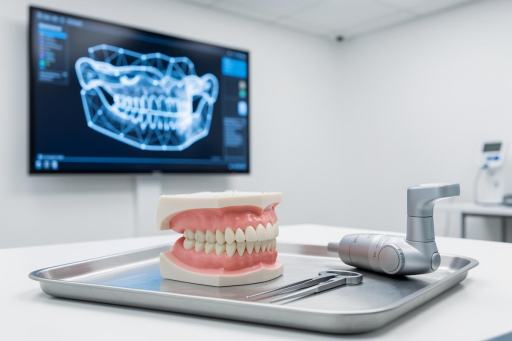
Your first All-on-4 consultation sets the stage for your dental journey. This initial visit focuses on a comprehensive dental implant evaluation. Patients can expect a thorough examination and discussion about their specific needs. Gathering this information is vital for personalized treatment planning that suits each individual.
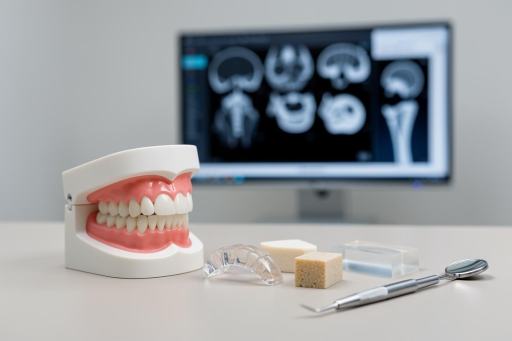
During the appointment, your dentist will review your dental history. This review helps identify any underlying issues that may affect treatment. Imaging techniques, such as X-rays, may be used to assess bone structure. Gathering these insights ensures that the All-on-4 procedure is appropriate and effective for you.
Another important aspect of the first All-on-4 appointment involves discussing your goals. Your dentist will listen to your concerns and expectations regarding the implant procedure. This dialogue is essential for creating a tailored treatment plan. Collaboration between you and your dental team leads to the best possible outcomes.
Prepare for your consultation by gathering any relevant medical records. Being open about your dental history will enhance the evaluation process. A clear understanding of your situation allows for more effective treatment planning. Take this opportunity to ask questions and express your concerns. Engaging actively in this process will help ensure a successful All-on-4 journey.
Step-by-Step Guide: All-on-4 Surgery Day Essentials
The All-on-4 surgery day is a pivotal part of your treatment journey. This day involves several key steps to ensure a successful dental implant procedure. Patients can expect a structured approach that prioritizes comfort and efficiency. Knowing what happens during All-on-4 helps alleviate any anxiety about the experience.
Preparation for surgery begins with a thorough review of your medical history. Your dental team will confirm the treatment plan and answer any last-minute questions. After this, sedation options will be discussed to ensure your comfort throughout the procedure. The All-on-4 surgery steps are designed to minimize discomfort while providing maximum results.
Next, the actual procedure begins with the placement of dental implants. Your dentist will carefully position the implants into the jawbone. This step typically takes a few hours, depending on individual circumstances. Once the implants are in place, a temporary bridge may be attached. This allows you to leave with functional teeth while healing occurs.
Post-surgery care is equally important for a successful recovery. Follow your dentist's instructions regarding pain management and diet. Staying hydrated and consuming soft foods will aid healing. Embrace this opportunity to ask questions and clarify any concerns. Being proactive will enhance your overall experience and support a smooth transition to your final fixed bridge.
Top 5 Recovery Tips After All-on-4 Dental Implant Surgery
Recovering from All-on-4 dental implant surgery requires careful attention and planning. Following specific All-on-4 recovery tips can enhance your healing process. These strategies help minimize discomfort and ensure optimal results. Each step you take now supports your long-term dental health.
Pain management is crucial during the initial recovery phase. Your dentist may prescribe medications to help control discomfort. Taking these medications as directed will promote a smoother healing experience. Following the dental implant aftercare instructions is essential for a successful recovery.
Soft foods are your best friend in the days after surgery. Eating a diet rich in nutrients aids post-surgery healing. Focus on items like yogurt, smoothies, and mashed potatoes. Avoid hard or crunchy foods that can irritate your gums. This dietary adjustment is vital for a positive All-on-4 recovery timeline.
Maintaining proper oral hygiene is essential after surgery. Gently brushing your teeth is important, but avoid the surgical sites. Rinsing with salt water can help keep your mouth clean. Adhering to these practices will prevent infections and complications. Embrace this recovery period as a chance to prioritize your health and wellbeing. Reach out to your dental team with any concerns during your healing journey.
Plan Your All-on-4 Dental Implant Consultation
Share a few details about your dental goals, previous care, and available records so clinics can better understand your needs.
Plan Your All-on-4 Dental Implant Consultation
These questions help providers understand what records may be available for an initial review. Do not include sensitive personal information in your answers.
Plan Your All-on-4 Dental Implant Consultation
Share your preferred timing and any questions you would like a dental provider to consider. Brief answers are welcome.
Contact information
Your information is only used to contact you and is never shared with third parties.
Your request has been received!
Thank you. Your information has been submitted for review by suitable dental providers.
How Temporary Teeth Support You Before the Final Bridge
Temporary teeth play a crucial role during the healing period of All-on-4 dental implants. These provisional teeth help restore function and aesthetics while your gums heal. Wearing a temporary All-on-4 bridge allows you to eat and speak normally. This support is essential for maintaining your quality of life during recovery.
The primary purpose of temporary teeth is to provide stability. They allow patients to regain confidence while waiting for the final bridge. Provisional teeth are designed to fit comfortably and securely in your mouth. This ensures that you can enjoy everyday activities without discomfort during the healing process.
Caring for temporary teeth is vital to prevent complications. Maintaining oral hygiene is essential to avoid infections. Gently brushing around the temporary bridge will keep your mouth clean. Avoid hard or sticky foods that could dislodge the provisional teeth. These precautions are crucial for a successful transition to your permanent solution.
Embrace the advantages of having temporary teeth as part of your recovery. They provide immediate benefits while you await your final restoration. Engage with your dental team and ask questions about any concerns. This proactive approach will help ensure a smooth journey towards your lasting smile.
Getting Your Final Fixed Bridge: The Last All-on-4 Stage
Getting your final fixed bridge marks the last All-on-4 stage of treatment. This crucial step provides a permanent solution for your dental needs. Patients can expect a comfortable and functional permanent dental bridge that restores their smile. The process is designed to ensure optimal fit and function for long-term satisfaction.
The fitting final bridge involves several important preparations. Your dentist will take impressions of your mouth to create a customized bridge. This ensures that the final fixed bridge All-on-4 fits securely and comfortably. The temporary teeth will be removed before placing the permanent bridge, allowing for a seamless transition.
During the appointment, your dentist will carefully position the final bridge. Adjustments may be made to ensure a perfect bite and alignment. This attention to detail is vital for achieving a natural look and feel. Patients often leave the office with renewed confidence and improved oral function.
Caring for your final fixed bridge is essential for longevity. Regular dental check-ups and proper oral hygiene will support its durability. Discuss any questions or concerns with your dental team for continued success. Embrace this final step in your All-on-4 journey, knowing it leads to a revitalized smile and enhanced quality of life.
Key Takeaways
- The first consultation is crucial for evaluating dental health and planning personalized treatment.
- Temporary teeth are used during recovery to restore function and aesthetics while the gums heal.
- Post-surgery care, including pain management and a soft food diet, is essential for optimal recovery.
- Maintaining oral hygiene after surgery is vital to prevent infections and complications.
- Regular dental check-ups and proper care are important for the longevity of the final fixed bridge.
Frequently Asked Questions
What are the main All-on-4 treatment stages?
The All-on-4 treatment stages include consultation, surgery, and recovery. Each stage is crucial for successful dental implants. Understanding these steps helps manage patient expectations. Knowing what to expect improves overall comfort during treatment.
How long does the All-on-4 treatment timeline take?
The All-on-4 treatment timeline varies for each patient. Typically, the entire process can take several months. This includes healing time after surgery and fitting the final bridge. Your dentist will provide a personalized timeline based on your needs.
How does the All-on-4 procedure step by step work?
The All-on-4 procedure step by step starts with an initial consultation. Next, imaging and evaluations are conducted. Surgery involves placing implants and attaching temporary teeth. Finally, the process concludes with fitting the permanent bridge.
Can I eat normally after receiving the All-on-4 implants?
Eating habits change after receiving All-on-4 implants. Initially, soft foods are recommended during the healing period. Gradually, you can return to a normal diet once healed. Consulting your dentist for specific dietary advice is essential.
Why are temporary teeth used in All-on-4 treatment?
Temporary teeth serve a vital role during recovery. They help maintain function and aesthetics while healing occurs. Provisional teeth improve comfort and allow normal activities. This temporary solution prepares you for the final fixed bridge.
The information provided is for educational purposes only and does not constitute medical advice. Always consult with a healthcare professional for medical guidance specific to your situation.