Quick answer
All-on-4 dental implants can effectively replace a full arch of missing teeth, but careful assessment is crucial. Patients should consult licensed clinicians to determine their suitability and plan for the procedure.
Overview
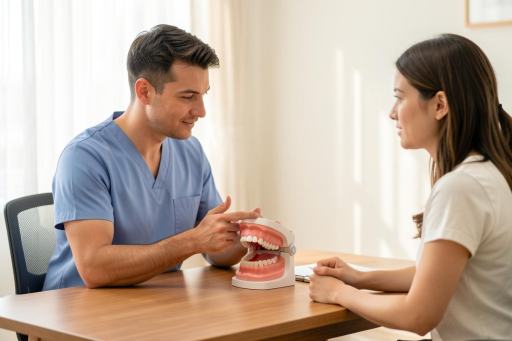
All-on-4 dental implant planning can replace a full arch of missing or failing teeth, but it requires careful bone, gum, bite, and hygiene assessment. This guide is written for international patients comparing care in Turkey and preparing for a structured specialist review. It is educational information, not a diagnosis, personal treatment recommendation, or guarantee of outcome; final decisions must be made after examination by licensed clinicians.
Who may request an assessment?
Patients may request review when many teeth are missing, loose, or not restorable and full-arch treatment is being considered. Suitability depends on age, general health, medications, allergies, previous procedures, expectations, and the amount of time available for recovery. For surgical or invasive care, patients should share chronic conditions, smoking status, anesthesia history, and any previous complications before travel is planned.
Records to prepare before review
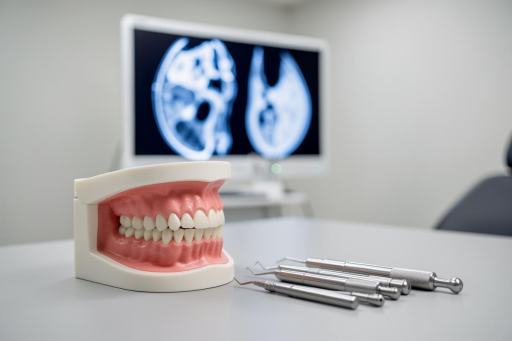
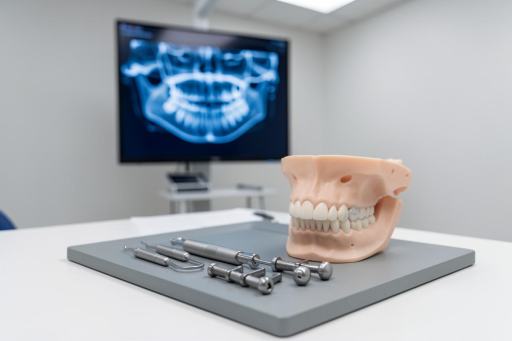
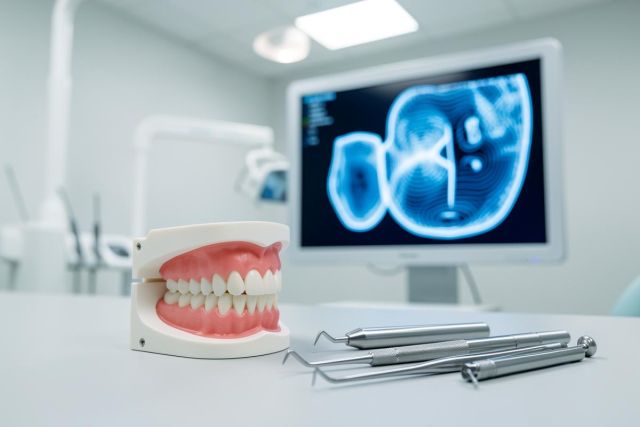
Prepare recent photographs, dental imaging or relevant scans, blood tests when available, previous operation notes, a medication list, allergies, and a short summary of goals. Dental planning is stronger with panoramic X-rays or CBCT files; aesthetic planning is stronger with clear photographs from several angles and a record of previous fillers, implants, or surgery.
Plan Your All-on-4 Dental Implant Consultation
Share a few details about your dental goals, previous care, and available records so clinics can better understand your needs.
Plan Your All-on-4 Dental Implant Consultation
These questions help providers understand what records may be available for an initial review. Do not include sensitive personal information in your answers.
Plan Your All-on-4 Dental Implant Consultation
Share your preferred timing and any questions you would like a dental provider to consider. Brief answers are welcome.
Contact information
Your information is only used to contact you and is never shared with third parties.
Your request has been received!
Thank you. Your information has been submitted for review by suitable dental providers.
Planning and safety questions
- Am I a suitable candidate for this procedure or condition pathway?
- What are the realistic alternatives, limitations, and recovery timelines?
- Which materials, techniques, implant systems, or devices will be documented?
- How does the clinic handle follow-up if a complication occurs?
- What care or review is needed after I return home?
Coordinating care in Turkey
SpesHealth can help organize records, initial provider communication, expected timelines, translation needs, and travel logistics. The goal is to help patients reach the medical decision point with transparent information, realistic expectations, and a written care plan from the treating provider.
Travel and follow-up
Travel dates should match the procedure type, planned controls, dressing changes, and any temporary restoration stages. Do not shorten follow-up just to fit flights. Seek urgent medical care for severe pain, fever, breathing difficulty, uncontrolled bleeding, vision changes, signs of infection, or any rapidly worsening symptom.
Key Takeaways
- Candidates for All-on-4 implants should have many missing or failing teeth and be in good general health.
- Patients must prepare relevant medical records, including dental imaging and a list of medications, before their assessment.
- It is important to discuss any chronic conditions or previous complications with the clinician prior to travel.
- Patients should inquire about the clinic's follow-up procedures in case of complications after the surgery.
- Urgent medical attention is necessary for severe symptoms such as pain, fever, or signs of infection post-procedure.